Free Alternatives to Calibre for Technology

10 alternatives | 3 highly relevant | sans serif | Best match: Geist (82%)

Looking for a free sans serif font for technology projects? Calibre by Klim Type Foundry is a popular choice, but its licensing cost can be prohibitive. We've curated 10 free alternatives that work well in technology contexts. We've identified 3 that are especially well-suited for this context. Each alternative is scored by visual similarity and contextual relevance, and ships under an open-source license for both personal and commercial use.

Top Picks

Comparison Table

Font Relevance Similarity Weights Variable License Source
Geist 44 82% Variable Yes OFL-1.1 Google Fonts ↗
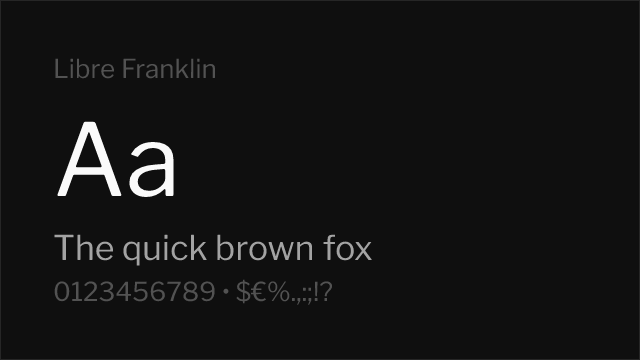
Libre Franklin 27 72% Variable Yes OFL-1.1 Google Fonts ↗
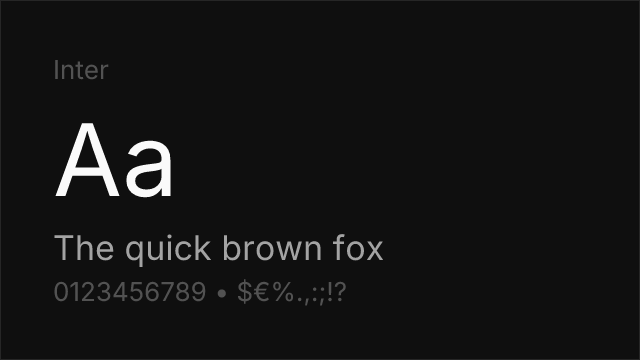
Inter 25 85% Variable Yes OFL-1.1 Google Fonts ↗
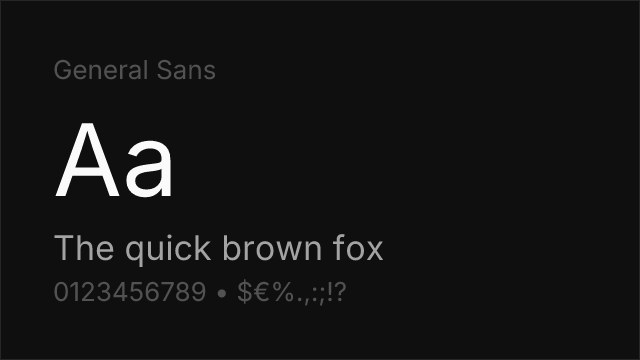
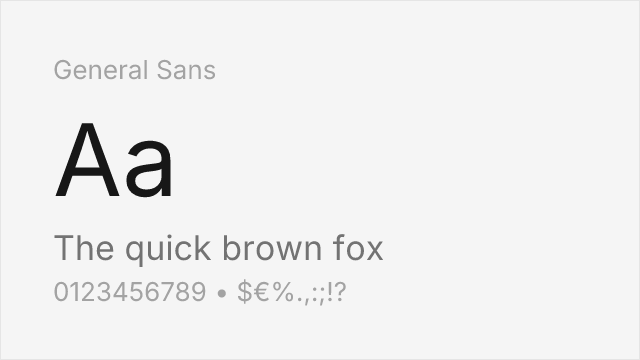
General Sans 24 75% Variable Yes ITF Free Font License fontshare ↗
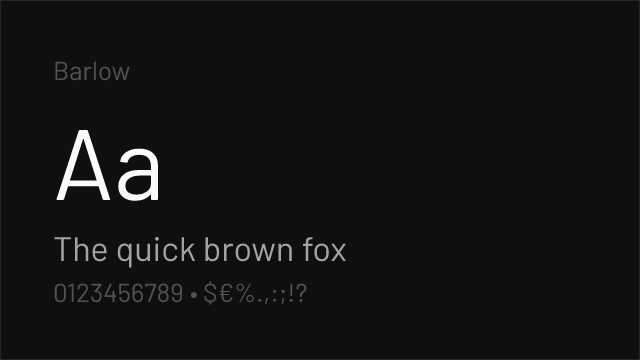
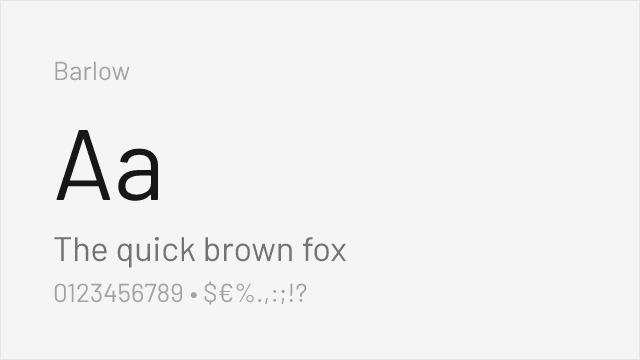
Barlow 23 74% 9 No OFL-1.1 Google Fonts ↗
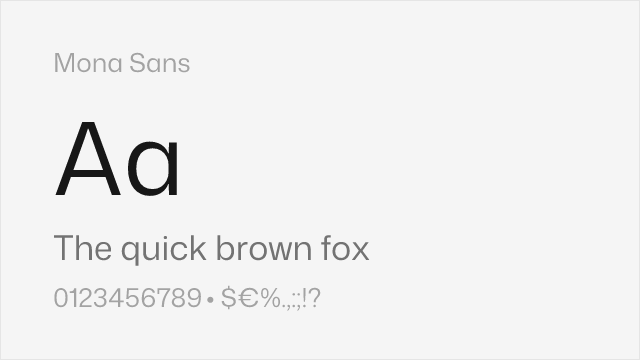
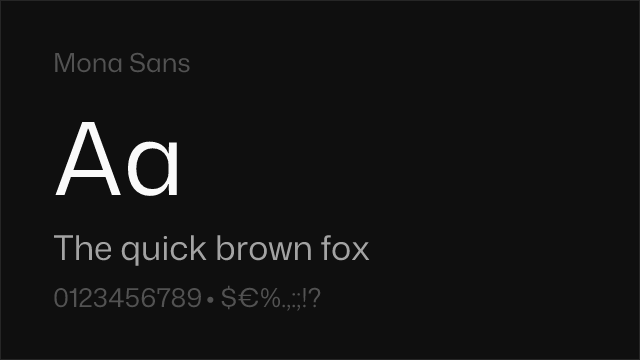
Mona Sans 23 72% Variable Yes OFL-1.1 github ↗
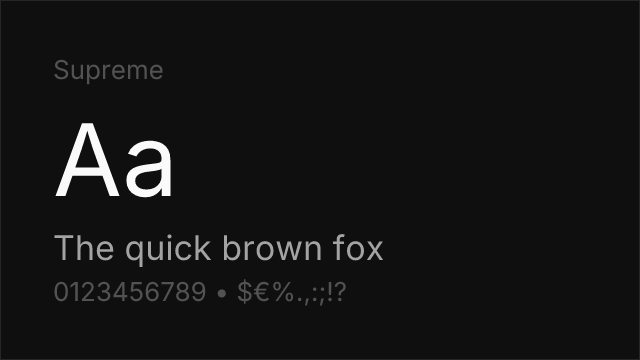
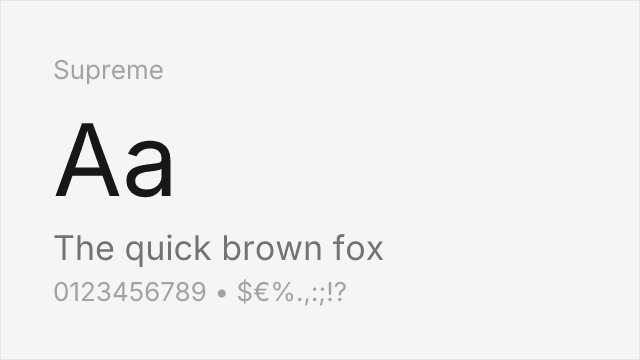
Supreme 23 70% Variable Yes ITF Free Font License fontshare ↗
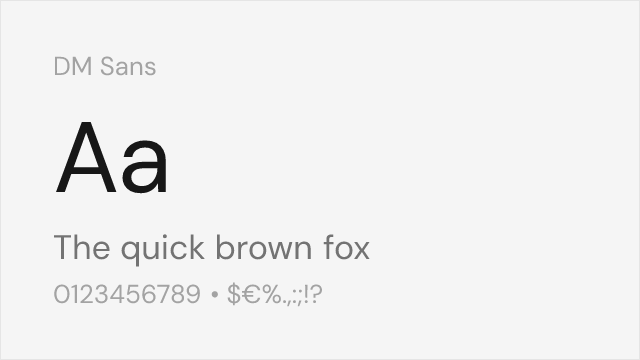
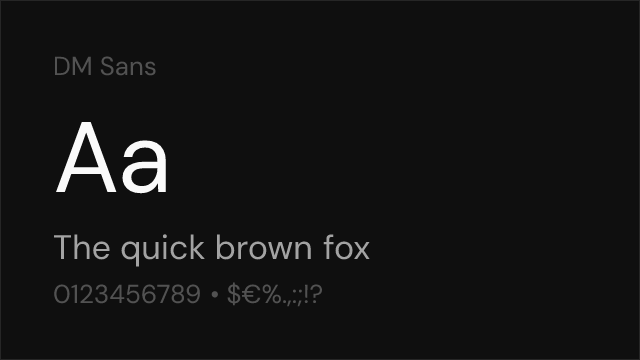
DM Sans 16 80% Variable Yes OFL-1.1 Google Fonts ↗
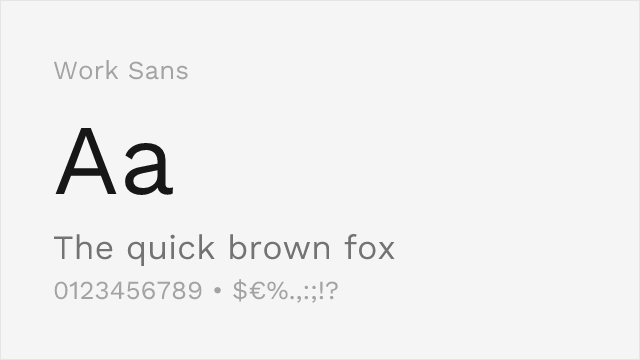
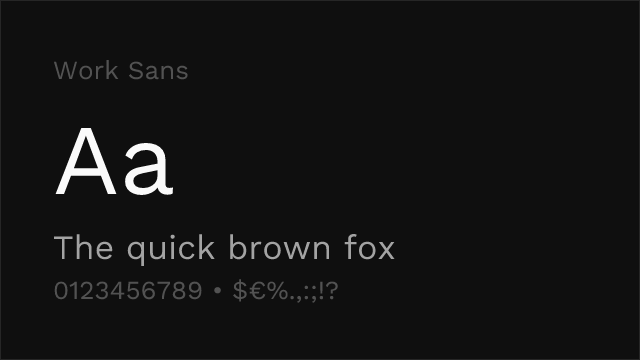
Work Sans 16 78% Variable Yes OFL-1.1 Google Fonts ↗
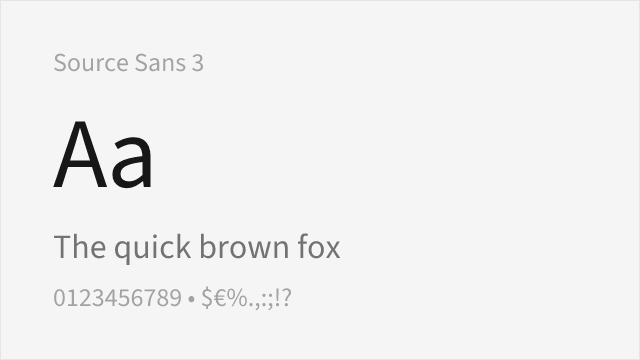
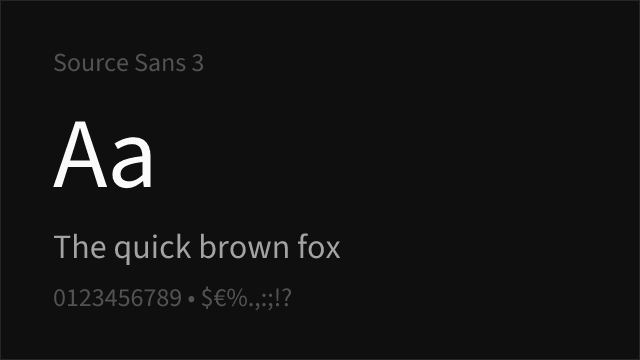
Source Sans 3 16 76% Variable Yes OFL-1.1 Google Fonts ↗

Most Relevant (3)

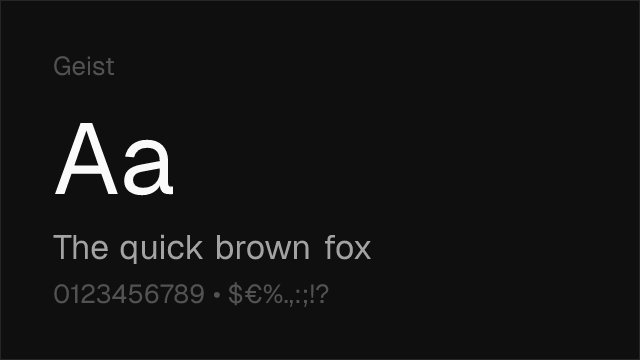
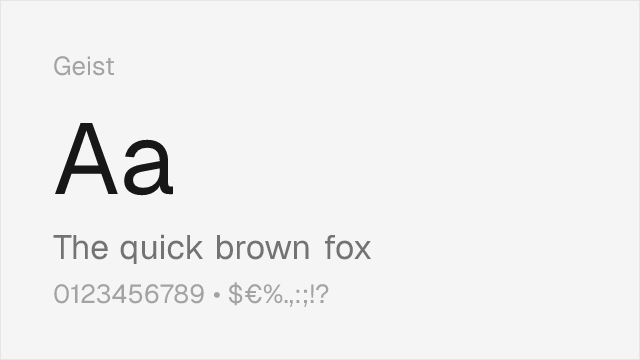
#1 Geist 82% Relevant
[Google Fonts] · OFL-1.1 · Variable

Modern system font with similar tech-forward aesthetics and tight, efficient proportions
Why it matches: Geist shares Calibre's tight, efficient proportions and tech-sector positioning. Both typefaces were designed with developer tools and product interfaces in mind, featuring controlled letter-spacing and a rationalized construction that handles both marketing copy and UI labels with equal authority. Geist's slightly sharper terminals and more angular construction give it a more technical edge than Calibre's smoother grotesque forms, but the overall feeling in a SaaS product context is remarkably similar. Both prioritize information density over typographic openness.
developer tool interfacesstartup marketing sitestechnical documentationSaaS product dashboards
Get Font ↗
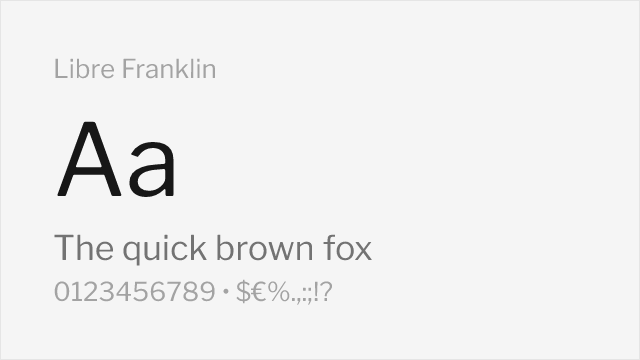
#2 Libre Franklin 72% Relevant
[Google Fonts] · OFL-1.1 · Variable

Faithful Franklin Gothic revival with workmanlike editorial utility
Why it matches: Libre Franklin shares Calibre's commitment to functional, no-nonsense typography. Both are workhorse typefaces designed to serve content rather than draw attention to themselves. Libre Franklin is more explicitly rooted in the American gothic tradition — sturdier strokes, more condensed proportions — while Calibre synthesizes European and Antipodean influences. The functional overlap is strongest in editorial and corporate contexts, where both typefaces handle headlines, body text, and captions with workmanlike clarity. Libre Franklin's slightly rougher character adds editorial personality that Calibre's polish omits.
news and publishing sitescorporate communicationsinstitutional identity systemsprint-to-digital migration
Get Font ↗
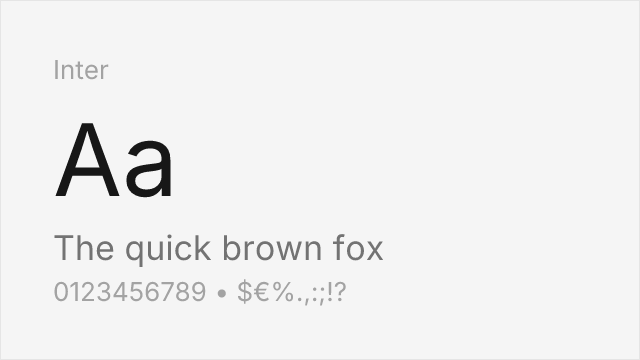
#3 Inter 85% Relevant
[Google Fonts] · OFL-1.1 · Variable

Closest overall match with comprehensive variable font support and similar screen-first optimization

Why it matches: The most important difference between these two typefaces is proportional width. Calibre is notably tighter and more condensed than Inter — Kris Sowersby designed it to pack maximum content per line, a quality that makes Calibre exceptional in dense UI patterns like SaaS dashboards, data tables, and sidebar navigation where every pixel of horizontal space counts. Inter is wider-set and more generously spaced, which makes it more comfortable for body text and long-form reading but less efficient in the space-constrained layouts where Calibre thrives. Sowersby's design philosophy is utilitarian precision — stripping a grotesque to its functional minimum. Inter's philosophy under Rasmus Andersson is broader accessibility — making a screen font that works for everyone. This means Inter substitutes well for Calibre in marketing pages, documentation, and general product typography, but layouts originally designed around Calibre's compact metrics will need spacing adjustments when switching to Inter's wider set width.
SaaS product interfacesdesign system foundationsdeveloper documentation sitescross-platform brand typography
Get Font ↗

Other Alternatives (7)

#4 General Sans 75%
[fontshare] · ITF Free Font License · Variable

Clean neo-grotesque from Fontshare

Get Font ↗
#5 Barlow 74%
[Google Fonts] · OFL-1.1 · 9 weights

Slightly condensed grotesque with utilitarian character that echoes Calibre's space efficiency
Why it matches: Barlow shares Calibre's utilitarian, space-efficient approach to sans-serif design. Both typefaces feature slightly condensed proportions that pack more content per line without feeling explicitly narrow. Barlow's Californian heritage gives it a slightly different regional character than Calibre's New Zealand-designed precision, but the functional overlap in tech branding and editorial contexts is substantial. Both handle data tables, navigation systems, and dense information layouts with comparable clarity. The comprehensive weight range from Thin to Black supports the same typographic hierarchies.
space-efficient editorial layoutsdata visualization typographyinfographic and dashboard designgovernment and institutional web projects
Get Font ↗
#6 Mona Sans 72%
[github] · OFL-1.1 · Variable

GitHub variable sans with weight and width axes

Get Font ↗
#7 Supreme 70%
[fontshare] · ITF Free Font License · Variable

Neo-grotesque from Fontshare with wide weight range
Get Font ↗
#8 DM Sans 80%
[Google Fonts] · OFL-1.1 · Variable

Clean geometric-grotesque blend with modern proportions that echo Calibre's contemporary feel
Why it matches: DM Sans shares Calibre's position at the intersection of geometric precision and grotesque warmth. Both avoid the extremes of either tradition, creating a modern middle ground that reads as contemporary and professional. DM Sans is slightly rounder in its bowls and more open in its counters, giving it a friendlier personality than Calibre's more compact, utilitarian stance. The `o`, `e`, and `a` shapes are structurally compatible, and both typefaces handle the demands of tech branding — product interfaces, marketing pages, documentation — with comparable clarity.
consumer-facing product interfacesmobile app typographycontemporary brand identitiesmarketing landing pages
Get Font ↗
#9 Work Sans 78%
[Google Fonts] · OFL-1.1 · Variable

Mature editorial sans with American gothic warmth and comprehensive weight range
Why it matches: Work Sans shares Calibre's workhorse philosophy — both are designed to handle any typographic task without drawing attention to themselves. The functional overlap is strongest in editorial and branding contexts, where both typefaces provide clean, reliable hierarchy from Thin headlines to Regular body text. Work Sans leans slightly more toward the humanist end with softer stroke terminals, which adds warmth at body sizes where Calibre remains more clinical. The weight distribution is well-matched, with both offering smooth ramps from Thin to Black.
editorial web layoutscontent marketing platformsresponsive brand systemslong-form content sites
Get Font ↗
#10 Source Sans 3 76%
[Google Fonts] · OFL-1.1 · Variable

Adobe's professional sans with strong hinting and broad language coverage

Why it matches: Source Sans 3 matches Calibre's professional utility through a slightly more humanist construction. Both typefaces are designed to be reliable workhorse fonts — the kind of sans-serif you choose when typography should support content rather than compete with it. Source Sans 3 is marginally wider and has more open apertures than Calibre, trading space efficiency for improved screen legibility at small sizes. Adobe's extensive language support and proven cross-browser rendering make Source Sans 3 more reliable in diverse deployment environments.
enterprise applicationsmultilingual web platformsdocumentation systemsgovernment and institutional sites
Get Font ↗

Related Pages