Install FontSwap
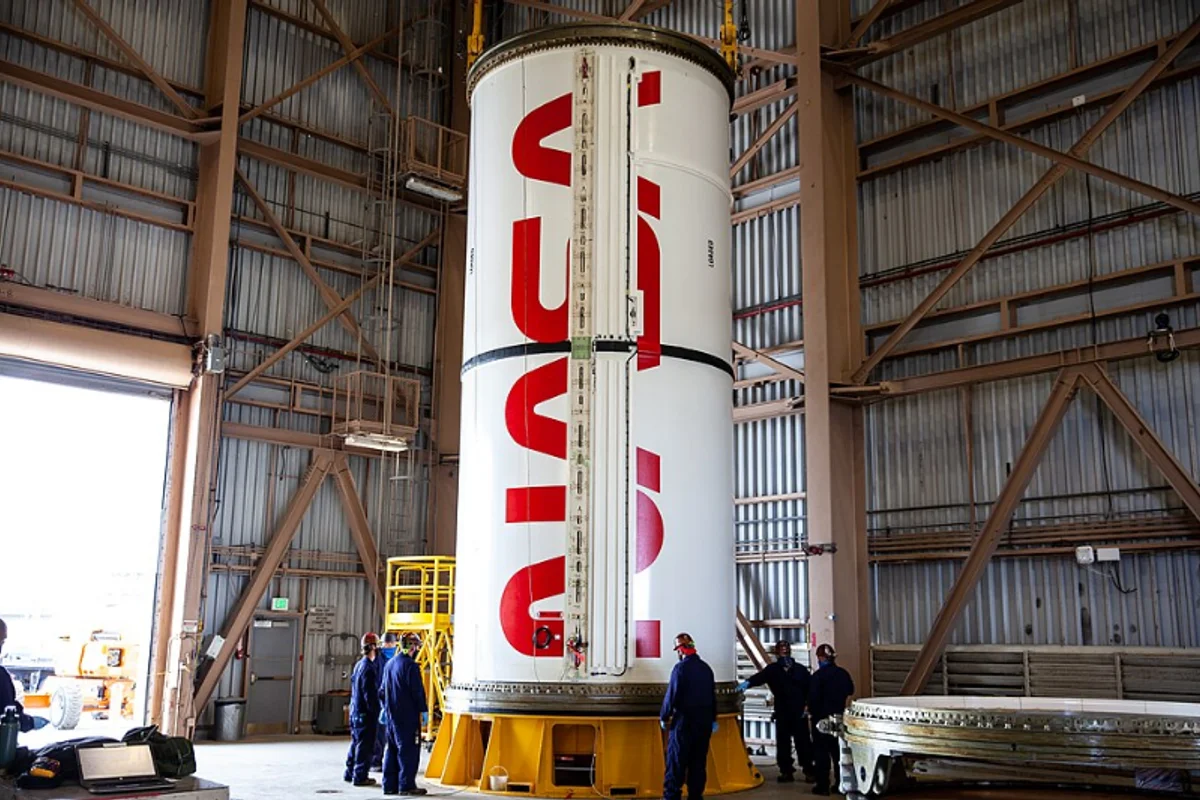
NASA Uses Futura
On July 20, 1969, Buzz Aldrin and Neil Armstrong placed a stainless steel plaque on the leg of the Eagle lunar module. Its inscription — "Here Men From The Planet Earth First Set Foot Upon The Moon" — was set in Futura.
No other typeface in history has been read from that particular vantage point.
NASA's relationship with Futura predates Apollo. Through the 1960s, the agency inherited Futura (and its American clones like Spartan) from military typographic standards. It appeared on mission patches, spacecraft labeling, and technical documentation.
The choice was practical as much as aesthetic: Futura's geometric letterforms reproduce cleanly at small sizes on patches and at monumental scale on hardware.
Why Futura Worked for NASA
Key Facts:
- Typeface: Futura (various weights)
- Designer: Paul Renner, 1927 (Bauhaus movement)
- NASA usage: 1960s–1975; mission patches, hardware labels, the Apollo 11 lunar plaque
- Replaced by: Helvetica, 1976 (Danne & Blackburn identity program)
Futura carried no baggage. Designed during Germany's Bauhaus movement, it represented the future as an aesthetic idea — clean geometry, no ornament, forward motion.
For an agency literally inventing the future, the resonance was hard to miss.
The engineering case was just as strong. Space hardware gets labeled, checked, and read under harsh conditions:
- Vibration during launch and re-entry
- Low-light cockpit environments
- Reading through EVA glove visors at arm's length
Futura's geometric forms — the perfectly circular O, the pointed A apex — remain legible where more nuanced typefaces blur. When you are 238,900 miles from the nearest design review, legibility is not optional.
NASA moved to Helvetica in 1976, and it remains the agency's required typeface today. But Futura's Apollo-era legacy is the one that stuck in public memory. The plaque is still on the Moon, still set in Futura, and it will outlast every rebrand that follows.
Free Alternative: Jost
For space-themed design or anything that wants to reference NASA's golden age without licensing Futura, Jost delivers the same geometric DNA.
Set in Medium weight with generous tracking, it replicates the dignified, engineered feeling of Futura on the Apollo plaque. Owen Earl designed Jost as a deliberate Futura tribute, and it carries the same Bauhaus-rooted proportions — circular O, pointed A, single-storey a — with modern OpenType refinements that Renner's original never had.