Free Alternatives to Graphik for Publishing

7 alternatives | 3 highly relevant | sans serif | Best match: Libre Franklin (76%)

Looking for a free sans serif font for publishing projects? Graphik by commercial-type is a popular choice, but its licensing cost can be prohibitive. We've curated 7 free alternatives that work well in publishing contexts. We've identified 3 that are especially well-suited for this context. Each alternative is scored by visual similarity and contextual relevance, and ships under an open-source license for both personal and commercial use.

Top Picks

Comparison Table

Font Relevance Similarity Weights Variable License Source
Libre Franklin 48 76% Variable Yes OFL-1.1 Google Fonts ↗
Work Sans 29 85% Variable Yes OFL-1.1 Google Fonts ↗
Barlow 27 73% 9 No OFL-1.1 Google Fonts ↗
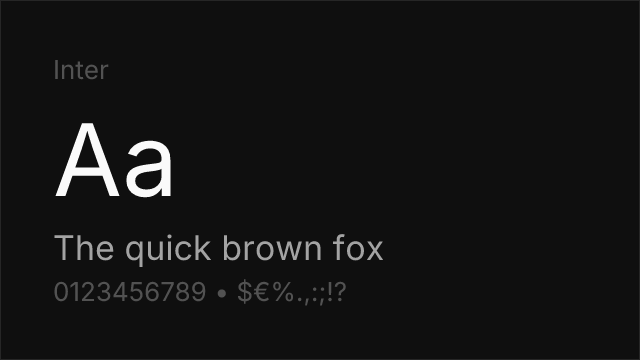
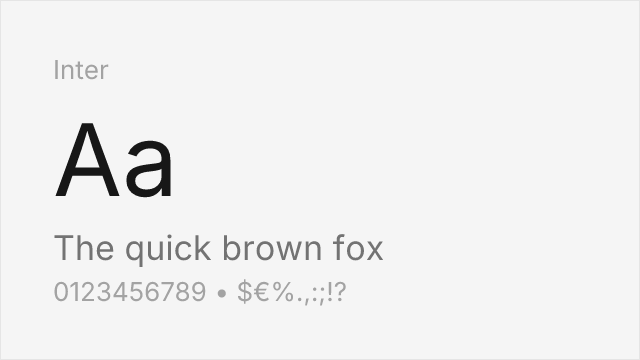
Inter 9 88% Variable Yes OFL-1.1 Google Fonts ↗
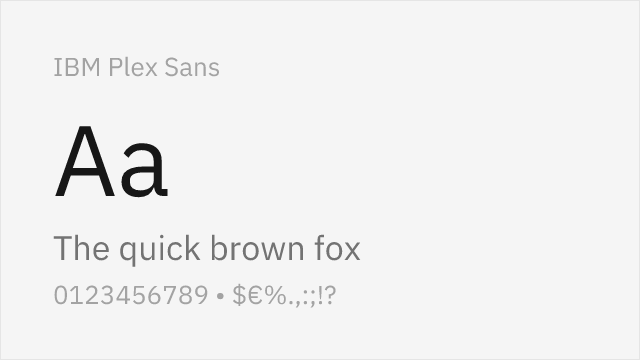
IBM Plex Sans 8 82% 7 No OFL-1.1 Google Fonts ↗
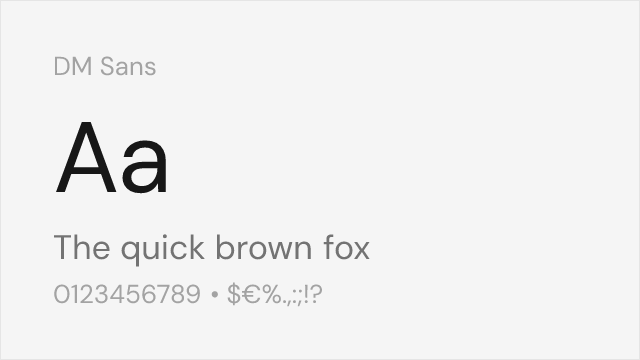
DM Sans 8 80% Variable Yes OFL-1.1 Google Fonts ↗
Source Sans 3 8 78% Variable Yes OFL-1.1 Google Fonts ↗

Most Relevant (3)

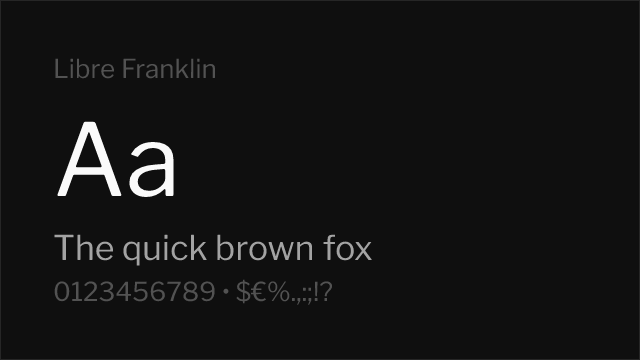
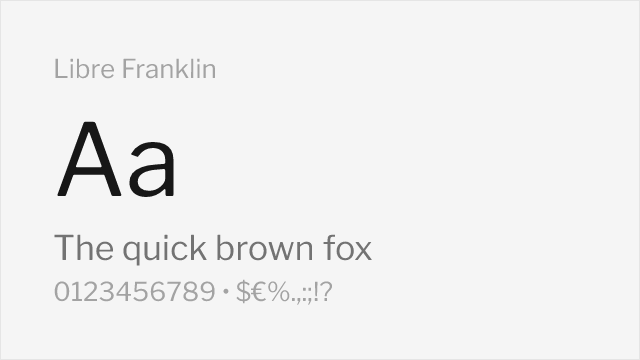
#1 Libre Franklin 76% Relevant
[Google Fonts] · OFL-1.1 · Variable

Faithful Franklin Gothic revival with strong editorial pedigree and workmanlike clarity
Why it matches: Libre Franklin shares Graphik's editorial DNA through the American gothic tradition. Both are workhorse typefaces designed for the demands of publishing — headlines, body text, captions, pull quotes — with the kind of understated clarity that lets content lead. Libre Franklin is more explicitly American in character, with sturdier strokes and more compact proportions than Graphik's Swiss-influenced forms. The slightly more condensed proportions make Libre Franklin efficient in tight editorial layouts where Graphik might feel slightly too open.
news and publishing siteseditorial design systemscorporate communicationsprint-to-digital migration projects
Get Font ↗
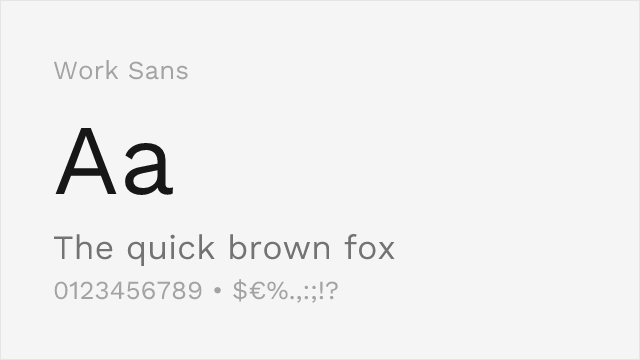
#2 Work Sans 85% Relevant
[Google Fonts] · OFL-1.1 · Variable

Mature editorial sans with comparable clean aesthetic and workmanlike versatility
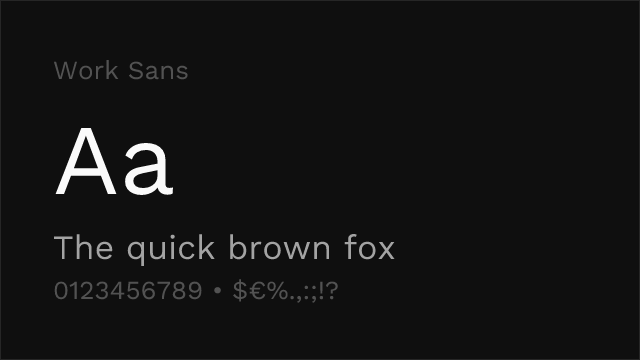
Why it matches: Work Sans shares Graphik's philosophy of functional, unassuming typography. Both are sans-serifs designed to work hard without being noticed — editorial workhorses that handle body text, headlines, and captions with equal competence. Work Sans leans slightly more toward the humanist end, with softer stroke terminals that add warmth at body sizes. This warmth actually improves long-form reading comfort compared to Graphik's more clinical precision. The weight distribution is well-matched, with both typefaces offering smooth weight ramps from Thin to Black.
editorial web layoutscontent marketing platformsresponsive brand systemsmagazine-style digital publications
Get Font ↗
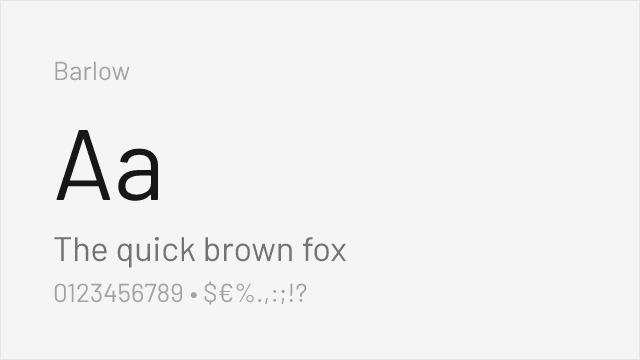
#3 Barlow 73% Relevant
[Google Fonts] · OFL-1.1 · 9 weights

Slightly condensed grotesque with utilitarian character and comprehensive weight range

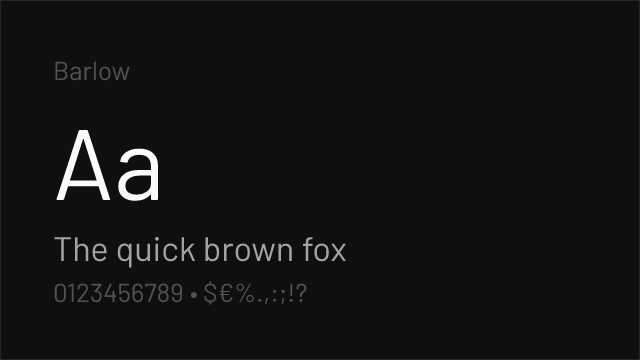
Why it matches: Barlow shares Graphik's utilitarian approach to sans-serif design, prioritizing functional clarity and efficient use of space. Both typefaces are designed to disappear into the background, letting content and layout do the communicative work. Barlow is slightly more condensed and more geometric in its construction, giving it a different texture in paragraph settings. The comprehensive weight range from Thin to Black supports the same kind of typographic hierarchies that Graphik enables, and both perform well in data-heavy contexts like dashboards and reports.
data-dense interfacesinfographic typographyspace-efficient editorial layoutsgovernment and institutional web projects
Get Font ↗

Other Alternatives (4)

#4 Inter 88%
[Google Fonts] · OFL-1.1 · Variable

Closest overall match with excellent screen rendering and comprehensive variable font support
Why it matches: Christian Schwartz described Graphik as "emphatically vanilla" — a sans-serif whose entire purpose is to not be noticed. Inter occupies the same philosophical territory in the open-source world: a typeface designed to disappear into whatever content it carries. The structural overlap is strongest in body text, where both produce the exceptionally even typographic color that editorial art directors prize. The difference emerges in character: Graphik draws from mid-century European grotesques (Neuzeit, Folio, Recta), giving it a subtly warmer, more analog texture that serves print editorial and magazine layouts particularly well. Inter, born on screens for screens, is more optically precise but slightly more clinical — its counters are a fraction more open, its spacing a touch more generous. In editorial contexts where Graphik's warmth matters (fashion magazines, cultural publications like Bon Appetit or Wallpaper*), the substitution is visible to trained eyes. In product interfaces and corporate design systems, the two are functionally interchangeable.
design system foundationscontent-heavy web applicationscorporate brand typographycross-platform product interfaces
Get Font ↗
#5 IBM Plex Sans 82%
[Google Fonts] · OFL-1.1 · 7 weights

Rational corporate grotesque with similar professional neutrality and grid-based construction
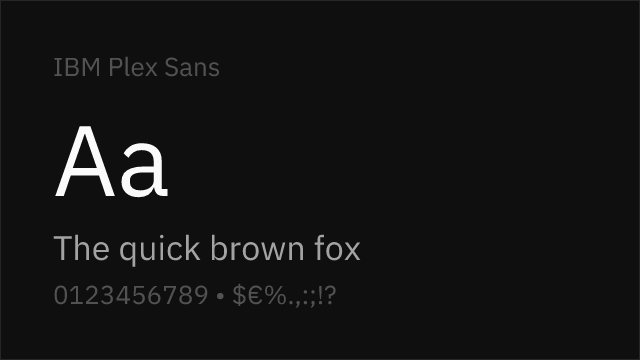
Why it matches: IBM Plex Sans shares Graphik's commitment to rational, professional typography that serves large organizations. Both typefaces feature a disciplined grid-based construction, near-monolinear strokes, and the kind of restrained personality that works across corporate communications, product interfaces, and editorial content. IBM Plex's slightly more geometric detailing — particularly in the `o`, `a`, and `g` — gives it a marginally more technical character than Graphik's softer grotesque forms. The extensive language support (including Cyrillic, Greek, Arabic, and Devanagari) exceeds Graphik's coverage.
enterprise brand systemscorporate communicationsdata visualization typographymultilingual product interfaces
Get Font ↗
#6 DM Sans 80%
[Google Fonts] · OFL-1.1 · Variable

Geometric-leaning grotesque with clean modern proportions matching Graphik's contemporary feel
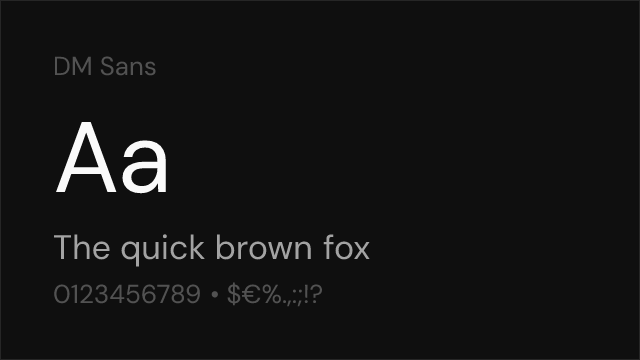
Why it matches: DM Sans shares Graphik's position at the intersection of geometric and grotesque traditions. Both typefaces avoid extremes — neither as geometric as Futura nor as raw as Akzidenz-Grotesk — landing in a modern middle ground that reads as contemporary and accessible. DM Sans is slightly rounder and more open in its counters, giving it a friendlier feel than Graphik's more controlled personality. The `e`, `a`, and `o` shapes are structurally compatible, and both handle mobile and web interfaces with comparable clarity at 14-18px sizes.
startup product interfacesmobile app typographycontemporary brand identitiesmarketing landing pages
Get Font ↗
#7 Source Sans 3 78%
[Google Fonts] · OFL-1.1 · Variable

Adobe's professional sans with strong hinting and extensive language coverage

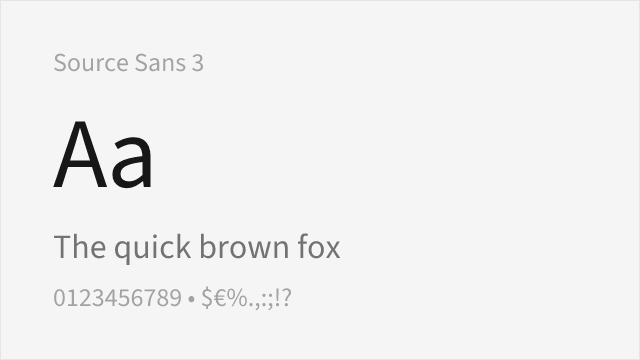
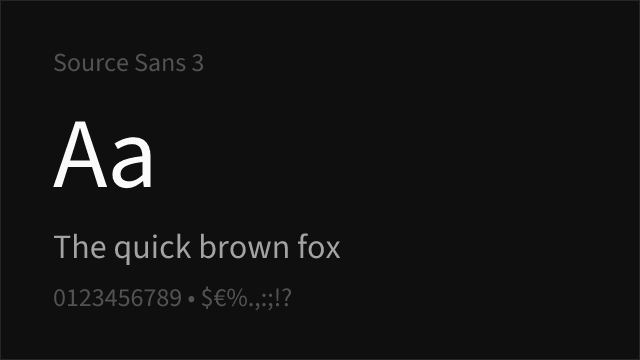
Why it matches: Source Sans 3 matches Graphik's professional utility through a slightly more humanist construction. Both typefaces are designed to be reliable workhorse fonts for professional contexts — the kind of sans-serif you choose when the typography should support content rather than compete with it. Source Sans 3's subtle humanist touches (slightly curved stroke terminals, marginally more organic proportions) add warmth at body sizes. Adobe's rigorous hinting and quality assurance make it exceptionally reliable across browsers and operating systems.
enterprise applicationsgovernment and institutional sitesdocumentation systemsmultilingual web platforms
Get Font ↗

Related Pages