Install FontSwap
BBC Uses Gill Sans
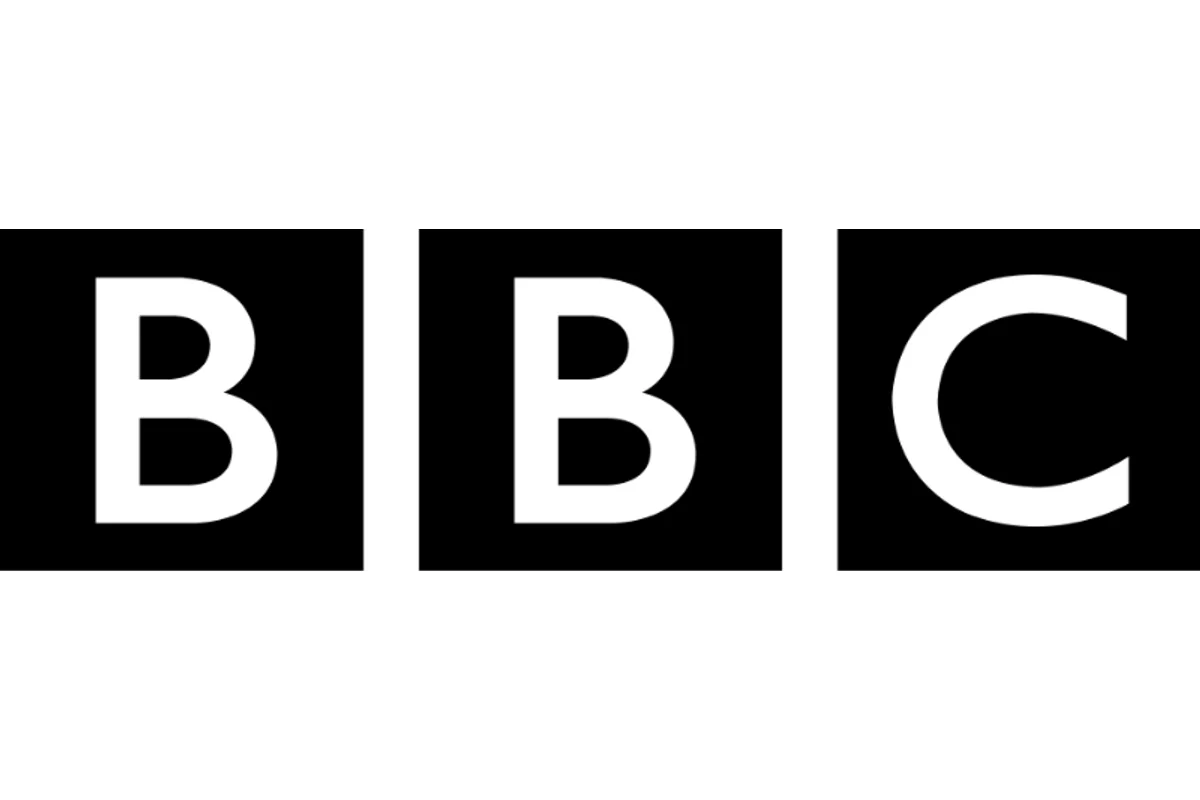
When the BBC overhauled its brand identity in 1997, Gill Sans became the corporation's official typeface. It appeared on everything: channel idents, programme credits, internal documents, and the bbc.co.uk website.
The choice was deliberate. Gill Sans had been a fixture of British institutional design since the 1920s, and the BBC wanted a typeface that felt authoritative without being stuffy.
For twenty years Gill Sans was the typographic voice of the world's largest public broadcaster. Audiences encountered it on BBC One title cards, news tickers, and the radio schedules printed in the Radio Times. It became so embedded in the BBC's visual language that many viewers could not separate the letterforms from the broadcaster itself.
Why Gill Sans Worked for the BBC
Key Facts:
- Typeface: Gill Sans (various weights)
- Designer: Eric Gill, 1928 (Monotype)
- BBC usage: 1997--2017; on-screen branding, print, and digital
- Replaced by: BBC Reith, 2017 (custom typeface by Dalton Maag)
Britishness encoded in letterforms. Gill Sans occupies a unique position in UK culture. It first appeared on LNER railway posters, Penguin paperbacks, and the Church of England's prayer books. By selecting it, the BBC inherited an entire visual history of British public life.
Legibility across media was critical. BBC content appears on screens ranging from stadium displays to mobile phones:
- Standard-definition television required robust stroke contrast
- On-screen text overlays needed instant readability at broadcast speed
- Print collateral demanded a typeface that worked from 8pt body copy to billboard headlines
Gill Sans delivered across all of these contexts. Its humanist proportions gave warmth that Helvetica could not, while its clean geometry kept it professional. The BBC eventually replaced it with Reith in 2017 -- a bespoke face optimized for digital screens -- but Gill Sans remains the typeface most associated with British broadcasting history.
Free Alternative: Lato
Lato in Regular weight captures the same balance of warmth and clarity that made Gill Sans work for the BBC. Lukasz Dziedzic designed it with "serious but friendly" proportions -- semi-rounded details that feel approachable without losing authority. Set at standard tracking, it serves as a capable stand-in for broadcast-style identity work.