Free Alternatives to Helvetica

About Helvetica
- Foundry
- Linotype
- Classification
- sans-serif
- Style
- neo-grotesque
Brands Using Helvetica
Primary brand typeface for all retail and advertising materials
Logo wordmark and brand communications
Corporate wordmark and global communications
Airline branding, signage, and in-flight materials
Supporting typeface used in vehicle documentation and marketing
Official signage system for New York City transit since the 1980s
Corporate communications and dealer signage
 See Helvetica live on these sites with FontSwap →
See Helvetica in the Wild
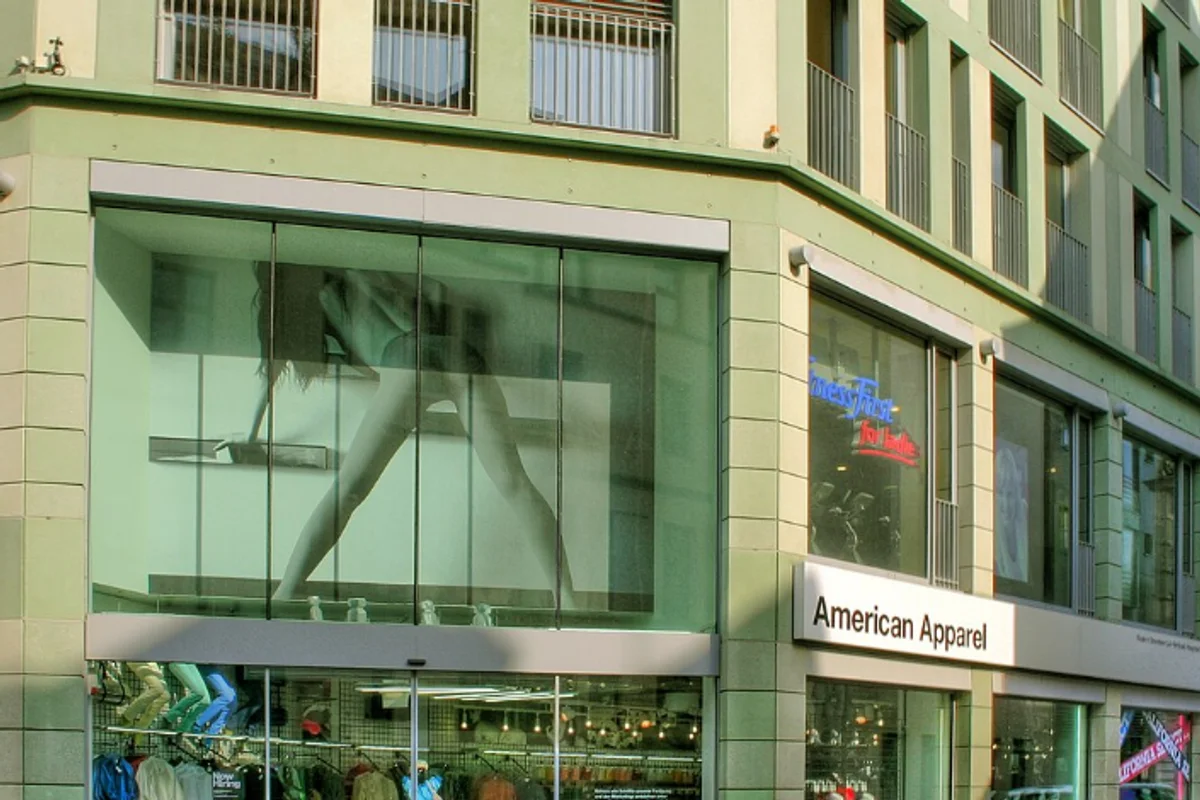

Helvetica is arguably the most famous typeface in the world. Designed by Max Miedinger and Eduard Hoffmann in 1957 at the Haas Type Foundry in Switzerland, it has become synonymous with modern graphic design and corporate identity. Its influence extends far beyond typography, shaping visual culture for over six decades.
History and Design
Originally named Neue Haas Grotesk, the typeface was developed as a refinement of the earlier Akzidenz-Grotesk. When Linotype acquired the design for international distribution, it was renamed Helvetica (from the Latin name for Switzerland, "Helvetia"). The redesign aimed to create a more refined, modern alternative to the popular grotesque typefaces of the era.
Max Miedinger, a former Haas salesman turned designer, worked closely with Eduard Hoffmann to create a typeface that embodied rationality and neutrality. The result was a remarkably balanced design with uniform stroke widths, horizontal terminals, and tight letter spacing that would come to define the International Typographic Style.
Why Helvetica is Iconic
Helvetica's success lies in its extraordinary neutrality. Unlike typefaces with distinctive personalities, Helvetica doesn't impose itself on the content it presents. This chameleonic quality makes it suitable for everything from subway signage in New York City to corporate logos for multinational brands.
The typeface's cultural impact was explored in Gary Hustwit's 2007 documentary "Helvetica," which introduced the typeface to audiences beyond the design community. The film featured interviews with legendary designers including Massimo Vignelli, Erik Spiekermann, and Paula Scher, debating whether Helvetica represents the pinnacle of modernist design or corporate conformity.
Companies like American Airlines, BMW, Lufthansa, Panasonic, Target, and countless others have built their visual identities around Helvetica. New York City's subway system switched to Helvetica in 1989, cementing its status as the default choice for wayfinding and signage systems worldwide.
Technical Characteristics
Helvetica's design features several distinctive characteristics:
- Horizontal terminals: Letterforms end with horizontal strokes rather than angled ones
- Uniform stroke width: Minimal contrast between thick and thin strokes
- High x-height: Lowercase letters are relatively tall compared to capitals
- Tight letter spacing: Characters sit close together, creating a compact appearance
- Square appearance: Overall proportions tend toward the square rather than elongated
Use Cases
Helvetica excels in numerous applications:
- Corporate branding: Its neutral character suits professional contexts without imposing personality
- Editorial design: Clean and highly legible for body text and headlines
- Signage and wayfinding: Excellent readability at distance makes it ideal for transit systems
- User interfaces: Familiar and trustworthy appearance for digital products
- Pharmaceutical and medical: Required neutral tone for healthcare communications
- Government communications: Official, authoritative presence without stylistic bias
Finding Free Alternatives
For print workflows where layout fidelity is critical, Nimbus Sans from URW is the closest match — a metric-compatible clone with identical character widths and spacing. Documents set in Helvetica reflow in Nimbus Sans without layout changes, though the trade-off is only Regular and Bold weights.
For screen-first projects, Inter offers the best balance of Helvetica-like neutrality with modern optimizations for digital display. Designed by Rasmus Andersson, its 9-weight variable font family covers far more use cases than Nimbus Sans.
Roboto provides another excellent option, particularly for Android applications and Material Design contexts. For Adobe ecosystem integration, Source Sans Pro offers a versatile alternative with excellent language support.
FAQ
Why is Inter the best Helvetica alternative?
Inter matches Helvetica's neutral, neo-grotesque character while adding modern optimizations for screen rendering. With 88% visual similarity, nine weights, and a variable font option, Inter provides excellent coverage for most Helvetica use cases. Its open-source OFL license allows unlimited commercial use.
Does Helvetica have a variable font version?
Yes, Linotype released Helvetica Now Variable in 2019, offering continuous weight and width adjustments. However, this premium version requires licensing. For free variable alternatives, Inter and Roboto both offer variable font options with similar aesthetic qualities.
Is Helvetica on Google Fonts?
No, Helvetica is a premium font from Linotype and is not available on Google Fonts.
The closest Google Fonts alternative is Inter with 88% similarity. Get it free on Google Fonts ↗
Free Alternatives (4)
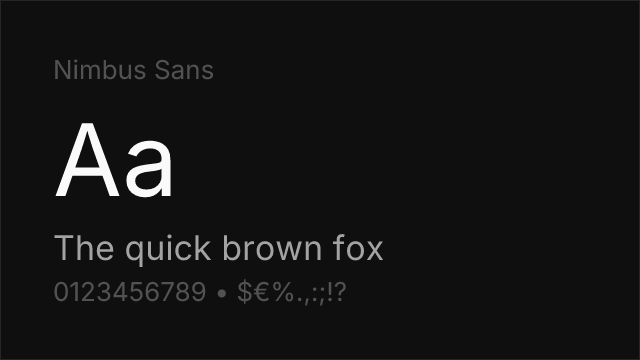
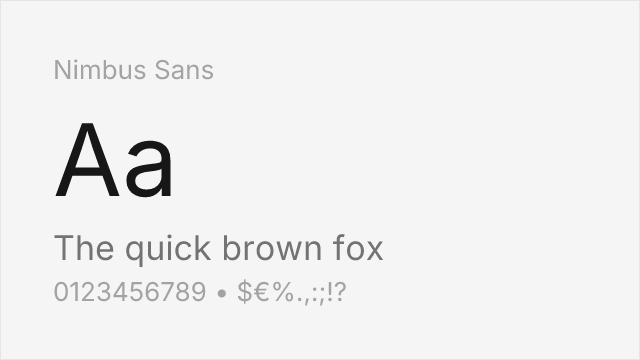
Metric-compatible Helvetica clone from URW — identical character widths
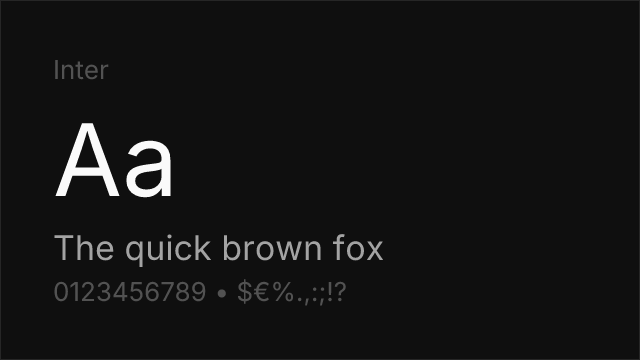
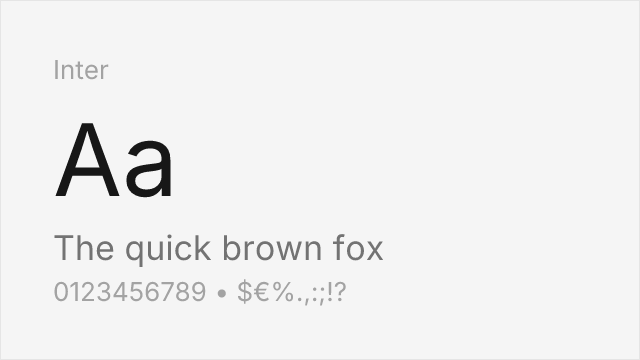
Modern interpretation with excellent screen optimization
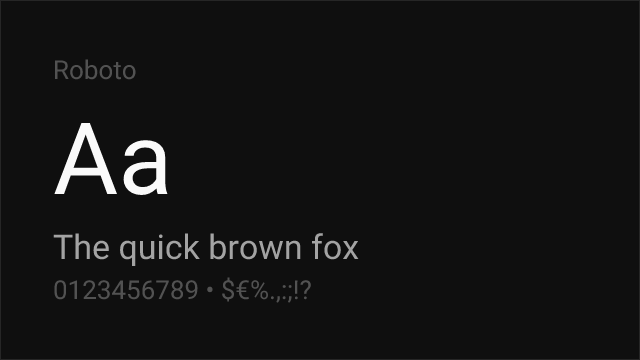
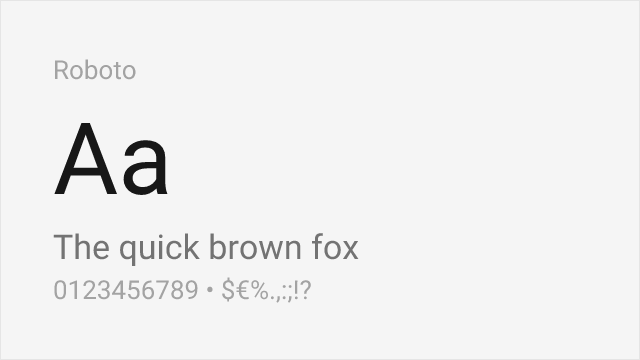
Similar neutral character, designed for Android
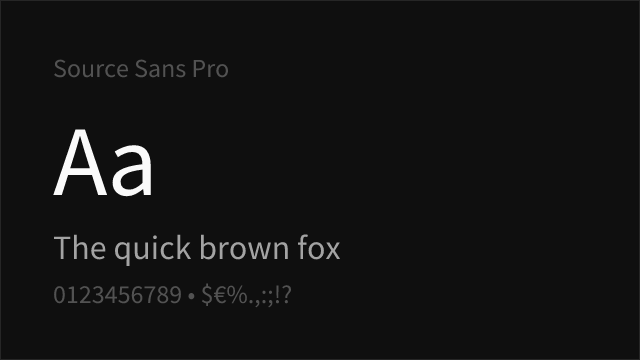
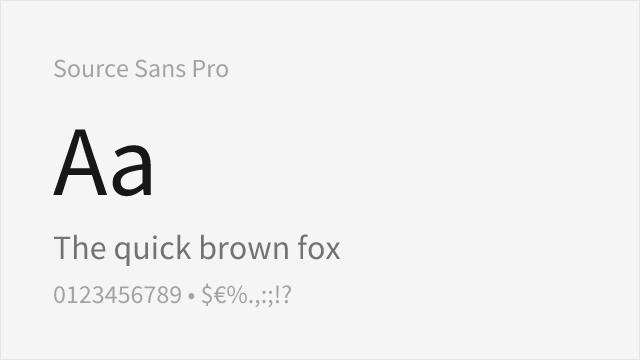
Adobe's humanist sans with comparable neutrality and readability
See where Helvetica is used in the wild and swap to free alternatives live.
Install FontSwap →Replacement Summary
Source: FontAlternatives.com
Premium font: Helvetica
Best free alternative: Nimbus Sans
FontAlternatives similarity score: 92%
Replacement difficulty: Low
Best for: print production, PDF generation, legacy system migration
Notable users: American Apparel, Jeep, Panasonic
Not recommended when: Brand consistency with American Apparel requires exact letterforms
What is the best free alternative to Helvetica?
Nimbus Sans is the best free alternative to Helvetica with a FontAlternatives similarity score of 92%.
Nimbus Sans shares similar proportions, stroke characteristics, and intended use with Helvetica. It is available under the GPL-2.0-with-font-exception license, which permits both personal and commercial use at no cost.
This alternative works particularly well for: print production, PDF generation, legacy system migration.
Can I safely replace Helvetica with Nimbus Sans?
Yes, Nimbus Sans is a high-confidence replacement for Helvetica. The FontAlternatives similarity score of 92% indicates strong structural compatibility.
Licensing: Nimbus Sans is licensed under GPL-2.0-with-font-exception, which allows commercial use without licensing fees or royalties.
Weight coverage: All 2 weights have exact matches available.
When should I NOT replace Helvetica?
While Nimbus Sans is a strong alternative, there are situations where replacing Helvetica may not be appropriate:
- Brand consistency: Helvetica is commonly seen in Corporate branding contexts where exact letterforms may be required.
- Strict compliance: Verify that GPL-2.0-with-font-exception terms meet your specific legal and compliance requirements.
Weight-Matching Guide
Map Helvetica weights to their closest free alternatives for accurate font substitution.
Nimbus Sans
| Helvetica | Nimbus Sans | Match |
|---|---|---|
| Regular (400) | Regular (400) | exact |
| Bold (700) | Bold (700) | exact |
Inter
| Helvetica | Inter | Match |
|---|---|---|
| Light (300) | Light (300) | exact |
| Regular (400) | Regular (400) | exact |
| Medium (500) | Medium (500) | exact |
| Bold (700) | Bold (700) | exact |
Roboto
| Helvetica | Roboto | Match |
|---|---|---|
| Light (300) | Light (300) | exact |
| Regular (400) | Regular (400) | exact |
| Bold (700) | Bold (700) | exact |
Performance Guide
Production performance metrics for each alternative.
How to Use Nimbus Sans
Copy these code snippets to quickly add Nimbus Sans to your project.
CSS code for Nimbus Sans
/* Download from: https://www.fontsquirrel.com/fonts/nimbus-sans-l */
@font-face {
  font-family: "Nimbus Sans";
  src: url('/fonts/nimbus-sans.woff2') format('woff2');
  font-display: swap;
}
HTML code for Nimbus Sans
<!-- Download from: https://www.fontsquirrel.com/fonts/nimbus-sans-l -->
<link href="/fonts/nimbus-sans.css" rel="stylesheet">
Tailwind code for Nimbus Sans
// tailwind.config.js
module.exports = {
  theme: {
    extend: {
      fontFamily: {
        'nimbus-sans': ['"Nimbus Sans"', 'sans-serif'],
      },
    },
  },
}

// Usage in HTML:
// <p class="font-nimbus-sans">Your text here</p>
Next.js code for Nimbus Sans
// Import the font CSS in your _app.js or layout
import '/fonts/nimbus-sans.css';

export default function Component() {
  return (
    <p style={{ fontFamily: '"Nimbus Sans"' }}>
      Your text here
    </p>
  );
}
Expo and React Native code for Nimbus Sans
// Install: npx expo install expo-font
import { useFonts } from 'expo-font';

export default function App() {
  const [fontsLoaded] = useFonts({
    'Nimbus Sans': require('./assets/fonts/nimbus-sans.ttf'),
  });

  if (!fontsLoaded) return null;

  return (
    <Text style={{ fontFamily: 'Nimbus Sans' }}>
      Your text here
    </Text>
  );
}

// Download font from: https://www.fontsquirrel.com/fonts/nimbus-sans-l
Recommended Font Pairings
These free fonts pair well with Nimbus Sans Helvetica for headlines, body text, or accent use.
Source Serif's structured serifs complement Helvetica's neutral forms for balanced editorial layouts
Lora's calligraphic curves add warmth and contrast to Helvetica's precise neo-grotesque character
Merriweather's generous x-height and sturdy serifs pair naturally with Helvetica for screen-optimized reading
Browse Alternatives by Context
Find Helvetica alternatives filtered by specific use case, style, or language support.
Frequently Asked Questions
What is the best free alternative to Helvetica?
Nimbus Sans is the best free alternative to Helvetica with a FontAlternatives similarity score of 92%. It shares similar proportions and characteristics while being available under the GPL-2.0-with-font-exception license for both personal and commercial use at no cost.
Is there a free version of Helvetica?
There is no official free version of Helvetica. However, Nimbus Sans is available under the GPL-2.0-with-font-exception open-source license and achieves a FontAlternatives similarity score of 92%. It includes 2 weights and supports latin, latin-extended.
What Google Font looks like Helvetica?
The Google Fonts most similar to Helvetica are Inter, Roboto, Source Sans Pro. Among these alternatives, Inter offers the closest match with a FontAlternatives similarity score of 88% and includes variable weights for flexible typography options.
Can I use Nimbus Sans commercially?
Yes, Nimbus Sans can be used commercially. It is licensed under GPL-2.0-with-font-exception, which allows free use in websites, applications, print materials, and commercial projects without purchasing a license or paying royalties.
Is Nimbus Sans similar enough to Helvetica?
Nimbus Sans achieves a FontAlternatives similarity score of 92% compared to Helvetica. While not identical, it offers comparable letterforms, proportions, and visual style. Most designers find it works excellently as a substitute in web and print projects.
What are the main differences between Helvetica and its free alternatives?
Free alternatives to Helvetica may differ in subtle details like letter spacing, curve refinements, and available weights. Premium fonts typically include more OpenType features, extended language support, and optimized screen rendering. However, for most projects, these differences are negligible.
Where can I download free alternatives to Helvetica?
Download Nimbus Sans directly from fontsquirrel. Click the "Get Font" button on any alternative listed above to visit the official download page. Google Fonts also provides convenient embed codes for seamless web integration.