Free Alternatives to Marblis

About Marblis
- Foundry
- Fincker Font Cuisine
- Classification
- sans-serif
- Style
- neo-grotesque
Brands Using Marblis
Brand systems requiring a modern Helvetica alternative with wider glyph coverage and OpenType features
Magazine and publication typography where even texture and comprehensive weight coverage are critical
Environmental graphics and signage requiring clear, functional grotesque typography
 See Marblis live on these sites with FontSwap →
Marblis is a modern grotesque sans-serif typeface by Julien Fincker of Fincker Font Cuisine (FFC), released in November 2025. Positioned as a contemporary alternative to Helvetica, Marblis offers 20 styles (10 weights from Thin to Black, each with matching italics) with over 1,410 glyphs per style. It includes extensive OpenType features: ligatures, stylistic alternates, multiple numeral sets, and case-sensitive forms. The name "Marblis" draws from rock formations — a reference to durability and versatility that reflects the typeface's ambition as a reliable foundation for diverse design contexts.
Marblis requires a commercial license from Fincker Font Cuisine. It is available through fontcuisine.com and MyFonts, starting from EUR 50 per style. There is no free tier or Google Fonts availability. If you need a similar grotesque sans-serif without the license cost, this page covers the best open-source alternatives.
Why Marblis Matters
Helvetica has been the default corporate grotesque for six decades, but its dominance has created a market for alternatives that provide Helvetica's stability with contemporary refinement. Marblis enters this space with a specific proposition: the neutral, functional character of Helvetica combined with modern glyph coverage, OpenType features, and design choices informed by how typography is actually used today.
What distinguishes Marblis from the dozens of other Helvetica alternatives (Aktiv Grotesk, Akkurat, Graphik, GT America) is its combination of comprehensiveness and independence. Designed by a single typographer rather than a large foundry team, Marblis reflects a coherent vision without committee compromise. The 1,410+ glyphs per style include multiple numeral styles, stylistic alternates, and contextual forms that give designers control over typographic detail often absent from more commercialized neo-grotesques.
Fincker Font Cuisine itself has an unusual origin. The name "FFC" stands for "Fincker Frères Colmar" — a reference to the Fincker family's delicatessen business in Colmar, in the Alsace region of France. The foundry logo is drawn from the historic shop sign of the family delicatessen, originally created by the Alsatian artist Hansi. This connection between culinary craft and type design is deliberate: Fincker approaches typeface design with the same attention to ingredient quality and presentation that characterizes artisanal food production.
Design Characteristics
Marblis sits comfortably in the neo-grotesk tradition with contemporary refinements:
- Even stroke weight: Consistent weight distribution across characters prevents thin strokes from disappearing at small sizes, a common weakness of original Helvetica.
- Open apertures: Slightly more open than Helvetica's notoriously closed counters, improving legibility at text sizes without sacrificing the grotesque aesthetic.
- Straight t and f: The lowercase t and f use straight stems rather than curved forms, prioritizing clarity and mechanical precision in text settings. This choice aligns Marblis with the functional tradition of industrial grotesques.
- Soft curves in a and l: Despite the overall geometric discipline, the lowercase a and l feature subtly softened curves that add warmth to text blocks without breaking the neutral character. This balance of warmth and precision is central to Marblis's identity.
- 1,410+ glyphs per style: Comprehensive character coverage including multiple numeral sets (tabular, proportional, oldstyle), small caps, and stylistic alternates.
- Ligatures and contextual alternates: OpenType features that improve typographic texture in professional typesetting contexts.
- 10 weights: From Thin (hairline) to Black (heavy), with matched italics for every weight. This provides more granular control over typographic hierarchy than most free grotesques.
- Consistent metrics: Carefully aligned vertical metrics across all styles ensure reliable baseline alignment in multi-weight compositions.
The overall character is deliberately familiar. Marblis does not seek to reinvent the grotesque genre but to provide a reliable, well-crafted version of it that works in contemporary design contexts.
Where Marblis Excels
- Corporate identity systems: The neutral, professional character suits brands that want typographic consistency without personality interference
- Editorial design: The comprehensive weight range and OpenType features support sophisticated typographic hierarchy
- Wayfinding and signage: The even stroke weight and open apertures ensure legibility across sizes and viewing conditions
- Packaging design: The extensive glyph set handles multilingual packaging requirements
- Brand systems needing stability: For organizations that want a reliable, unobtrusive grotesque that simply works
Where It Struggles
- Brand differentiation: Like all neutral grotesques, Marblis does not make brands stand out typographically. If recognition through typography is the goal, a more distinctive family is needed.
- Screen-first projects: Without variable font support or screen-specific hinting, Marblis may not match the rendering quality of Inter or Source Sans 3 on digital screens.
- Budget-sensitive web projects: Loading multiple static font files is less efficient than using a single variable font file. For web-only projects, free variable alternatives offer better performance.
How to Choose a Free Substitute
When evaluating alternatives to Marblis, prioritize:
- Text texture at body sizes: Set a full paragraph at 10-14px and evaluate the overall color. Marblis's value is in its consistent rhythm and density.
- Weight coverage: Marblis offers 10 weights. For basic use, ensure your substitute covers at least Light, Regular, Medium, and Bold.
- OpenType features: If you rely on Marblis's multiple numeral sets or stylistic alternates, check that your substitute offers comparable features. Inter has extensive OpenType support.
- Italic quality: Marblis ships true italics for all weights. Verify your substitute's italics are designed, not algorithmically slanted.
- Neutrality: The substitute should feel invisible. Test by setting body text and asking: does anyone notice the font? If yes, it is too distinctive.
Premium Font Neighbors
If Marblis's approach appeals to you, these premium grotesques occupy adjacent territory:
Cluster A: Contemporary Helvetica alternatives
- Helvetica Now (Monotype) — the official modernized Helvetica with optical sizing
- Aktiv Grotesk (Dalton Maag) — workhorse neo-grotesk with extensive language support
- Neue Haas Grotesk (Commercial Type) — Christian Schwartz's return to the original Helvetica source
- Söhne (Klim Type Foundry) — Akzidenz-Grotesk reimagined with contemporary proportions
Cluster B: Clean corporate grotesques
- Graphik (Commercial Type) — popular in tech for its clean, approachable grotesque character
- Univers (Linotype) — Adrian Frutiger's systematic neo-grotesk, the original comprehensive grotesque system
All fonts listed above are premium/commercial typefaces requiring paid licenses.
FAQ
What is the best free alternative to Marblis?
Inter is the closest free alternative at 82% similarity. It shares Marblis's neo-grotesk foundation, neutral character, and emphasis on functional clarity. Inter adds variable font support and optical sizing that Marblis lacks, making it the more technically capable option for screen-based projects.
How does Marblis compare to Helvetica Now?
Both are modernized interpretations of the Helvetica tradition, but from very different perspectives. Helvetica Now is Monotype's official update to the world's most famous typeface, carrying the Helvetica name and its brand recognition. Marblis is an independent designer's interpretation of the grotesque genre, offering more extensive OpenType features and a slightly more open character. Helvetica Now has more institutional authority; Marblis has more typographic flexibility.
Is Marblis a variable font?
No. Marblis is available only as static font files (20 styles: 10 weights × upright and italic). For projects requiring variable font technology, Inter or DM Sans provide variable alternatives with comparable grotesque aesthetics.
What are the OpenType features in Marblis?
Marblis includes ligatures (standard and discretionary), stylistic alternates, case-sensitive forms, multiple numeral styles (tabular, proportional, oldstyle), small caps, and contextual alternates. These features are accessible through OpenType-aware design applications and CSS font-feature-settings.
Is Marblis suitable for editorial design?
Yes. Marblis's 10-weight range, comprehensive glyph set, and OpenType features make it well-suited for editorial typography. The even stroke weight and consistent metrics produce reliable text color across columns and pages. For editorial projects that cannot justify the license, Source Sans 3 or Work Sans provide comparable editorial performance.
Who designed Marblis?
Marblis was designed by Julien Fincker, an independent type designer who founded Fincker Font Cuisine (FFC) after six years of freelance type design. The foundry name "Fincker Frères Colmar" references the Fincker family's delicatessen business in Colmar, Alsace. The foundry logo is adapted from the historic shop sign created by the celebrated Alsatian artist Hansi. This heritage connects culinary craft and type design — Fincker approaches typeface creation with the same attention to ingredient quality and presentation that defines artisanal food production.
Is Marblis on Google Fonts?
No, Marblis is a premium font from Fincker Font Cuisine and is not available on Google Fonts.
The closest Google Fonts alternative is Inter with 82% similarity. Get it free on Google Fonts ↗
Free Alternatives (7)
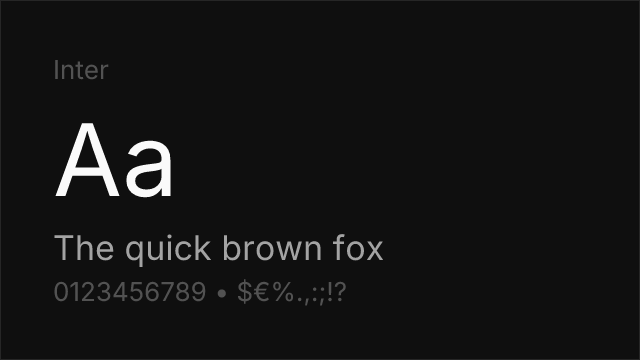
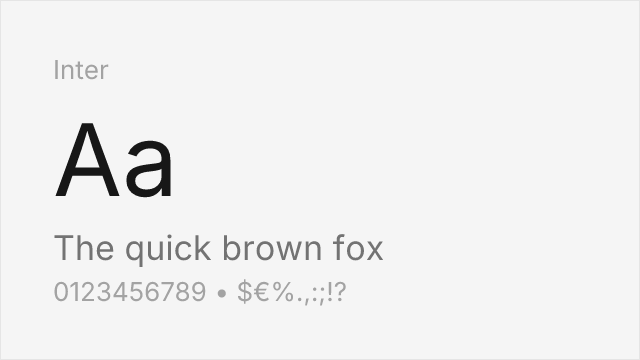
Screen-optimized variable sans with optical sizing and extensive language support
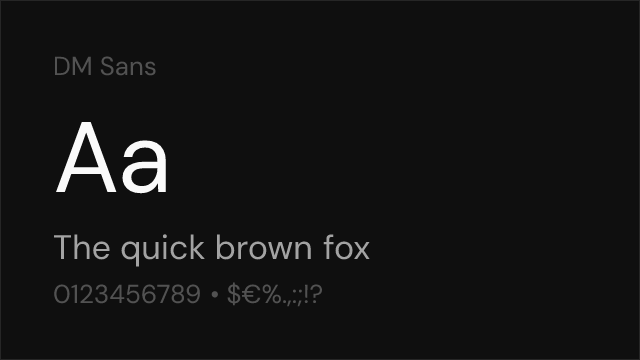
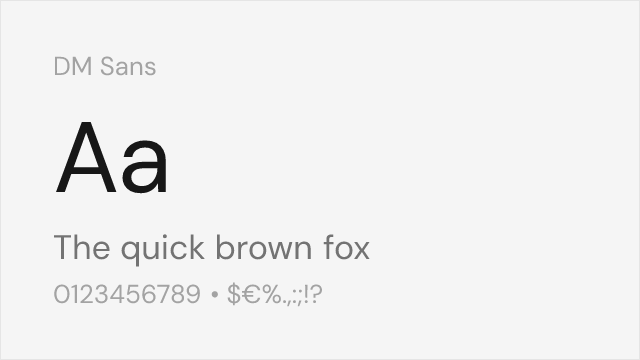
Google-commissioned geometric sans with variable support and clean character
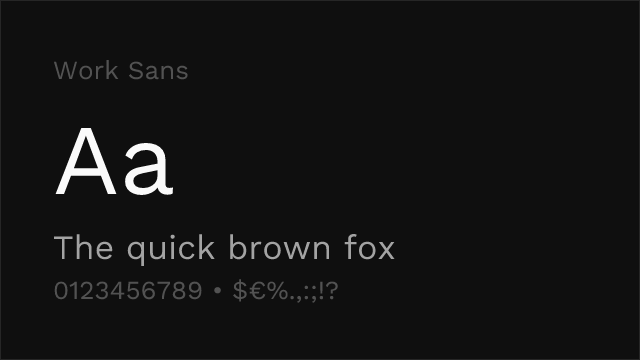
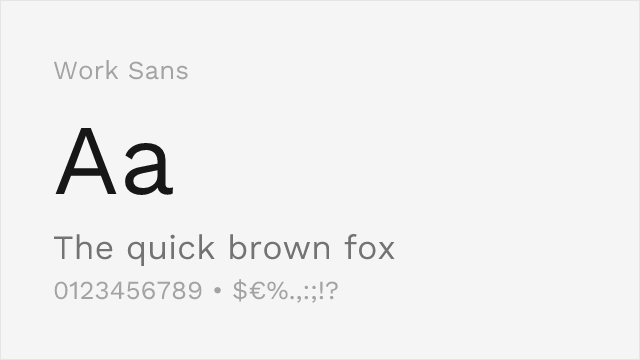
Industrial-functional variable sans with American gothic lineage
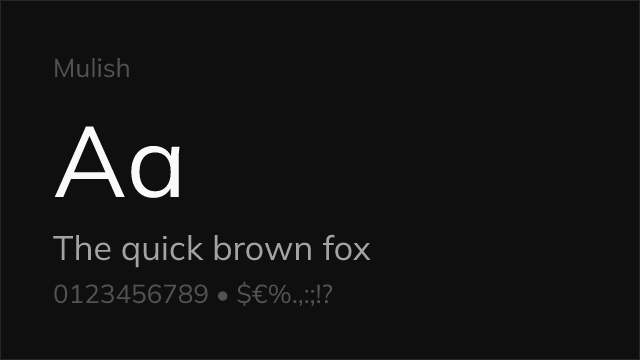
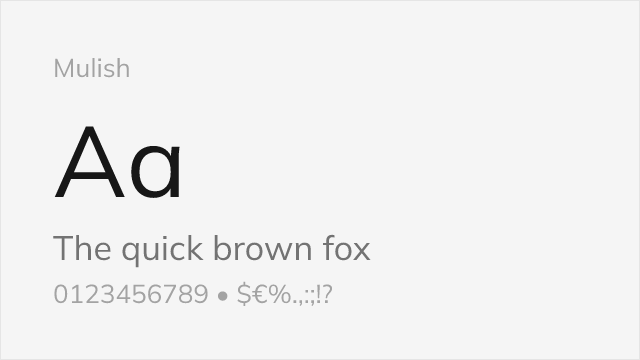
Minimalist sans-serif with variable weight axis and geometric underpinnings
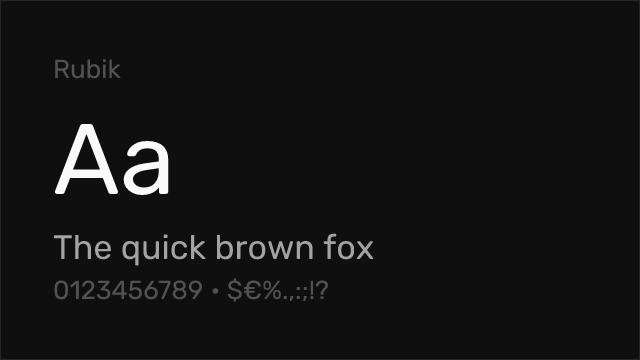
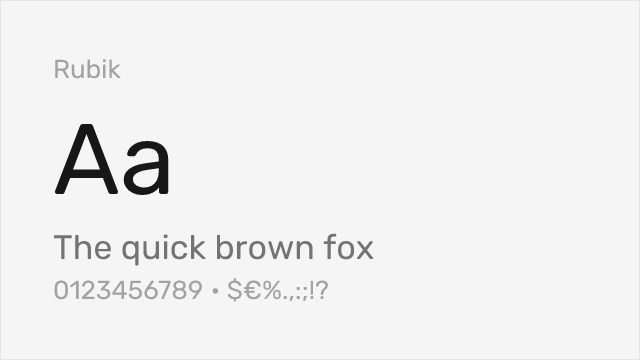
Rounded geometric sans with variable support and friendly corporate character
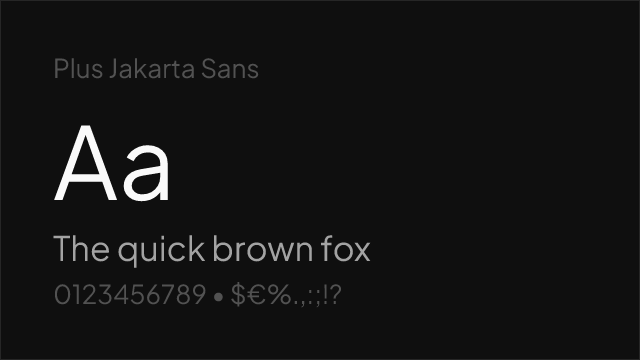
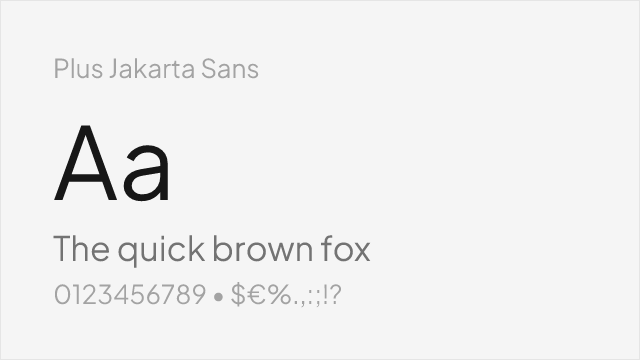
Contemporary geometric sans with variable axes and polished detailing
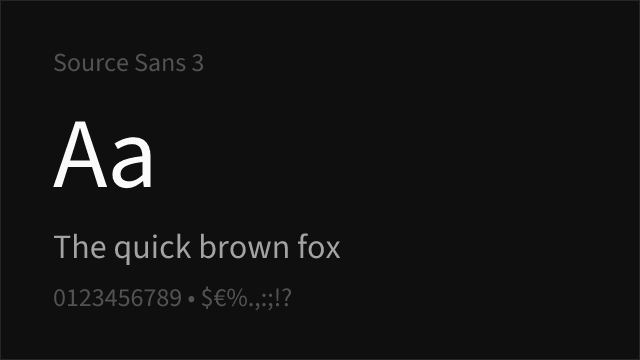
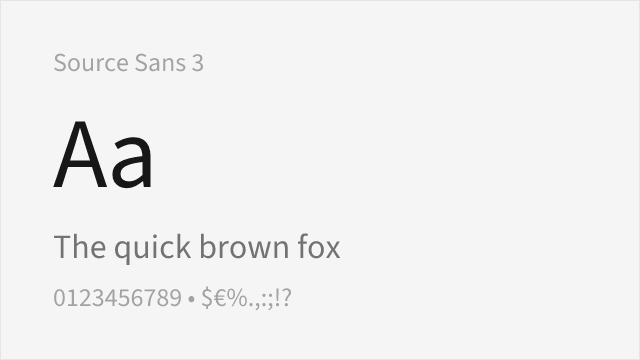
Adobe's workhorse sans with exceptional hinting and broad platform support
Replacement Summary
Source: FontAlternatives.com
Premium font: Marblis
Best free alternative: Inter
FontAlternatives similarity score: 82%
Replacement difficulty: Medium
Best for: web and app interfaces, design system foundations, data-dense dashboards, editorial web content
Notable users: Corporate Identity Projects, Editorial Design, Wayfinding Systems
Not recommended when: Brand consistency with Corporate Identity Projects requires exact letterforms
What is the best free alternative to Marblis?
Inter is the best free alternative to Marblis with a FontAlternatives similarity score of 82%.
Inter shares similar proportions, stroke characteristics, and intended use with Marblis. It is available under the OFL-1.1 license, which permits both personal and commercial use at no cost.
This alternative works particularly well for: web and app interfaces, design system foundations, data-dense dashboards, editorial web content.
Can I safely replace Marblis with Inter?
Yes, with some considerations. Inter achieves a FontAlternatives similarity score of 82%, indicating good structural compatibility for most use cases.
Licensing: Inter is licensed under OFL-1.1, which allows commercial use without licensing fees or royalties.
Weight coverage: Most weights have close or exact matches available.
When should I NOT replace Marblis?
While Inter is a strong alternative, there are situations where replacing Marblis may not be appropriate:
- Optical precision requirements: Inter has measurable structural differences from Marblis that may be visible in precise design work.
- Strict compliance: Verify that OFL-1.1 terms meet your specific legal and compliance requirements.
Weight-Matching Guide
Map Marblis weights to their closest free alternatives for accurate font substitution.
Inter
| Marblis | Inter | Match |
|---|---|---|
| Thin (100) | Thin (100) | close |
| Regular (400) | Regular (400) | close |
| Medium (500) | Medium (500) | close |
| Bold (700) | Bold (700) | close |
DM Sans
| Marblis | DM Sans | Match |
|---|---|---|
| Light (300) | Light (300) | close |
| Regular (400) | Regular (400) | close |
| Medium (500) | Medium (500) | close |
| Bold (700) | Bold (700) | close |
Work Sans
| Marblis | Work Sans | Match |
|---|---|---|
| Light (300) | Light (300) | close |
| Regular (400) | Regular (400) | close |
| Medium (500) | Medium (500) | close |
| Bold (700) | Bold (700) | close |
Mulish
| Marblis | Mulish | Match |
|---|---|---|
| Light (300) | Light (300) | close |
| Regular (400) | Regular (400) | close |
| Medium (500) | Medium (500) | close |
| Bold (700) | Bold (700) | close |
Rubik
| Marblis | Rubik | Match |
|---|---|---|
| Light (300) | Light (300) | exact |
| Regular (400) | Regular (400) | close |
| Medium (500) | Medium (500) | close |
| Bold (700) | Bold (700) | close |
Plus Jakarta Sans
| Marblis | Plus Jakarta Sans | Match |
|---|---|---|
| Light (300) | Light (300) | close |
| Regular (400) | Regular (400) | close |
| Medium (500) | Medium (500) | close |
| Bold (700) | Bold (700) | close |
Source Sans 3
| Marblis | Source Sans 3 | Match |
|---|---|---|
| Light (300) | Light (300) | close |
| Regular (400) | Regular (400) | close |
| Medium (500) | Semi Bold (600) | substitute |
| Bold (700) | Bold (700) | close |
Performance Guide
Production performance metrics for each alternative.
How to Use Inter
Copy these code snippets to quickly add Inter to your project.
CSS code for Inter
@import url('https://fonts.googleapis.com/css2?family=Inter:wght@100..900&display=swap');HTML code for Inter
<link rel="preconnect" href="https://fonts.googleapis.com">
<link rel="preconnect" href="https://fonts.gstatic.com" crossorigin>
<link href="https://fonts.googleapis.com/css2?family=Inter:wght@100..900&display=swap" rel="stylesheet">
Tailwind code for Inter
// tailwind.config.js
module.exports = {
  theme: {
    extend: {
      fontFamily: {
        'inter': ['Inter', 'sans-serif'],
      },
    },
  },
}

// Usage in HTML:
// <p class="font-inter">Your text here</p>
Next.js code for Inter
// Using next/font (Next.js 13+)
import { Inter } from 'next/font/google';

const inter = Inter({
  subsets: ['latin'],
  weight: ['100', '200', '300', '400', '500', '600', '700', '800', '900'],
});

export default function Component() {
  return (
    <p className={inter.className}>
      Your text here
    </p>
  );
}

// Or using inline styles with Google Fonts link:
// <p style={{ fontFamily: "'Inter'" }}>Your text</p>
Expo and React Native code for Inter
// Install: npx expo install @expo-google-fonts/inter expo-font
import { useFonts, Inter_400Regular } from '@expo-google-fonts/inter';

export default function App() {
  const [fontsLoaded] = useFonts({
    Inter_400Regular,
  });

  if (!fontsLoaded) return null;

  return (
    <Text style={{ fontFamily: 'Inter_400Regular' }}>
      Your text here
    </Text>
  );
}
Recommended Font Pairings
These free fonts pair well with Inter Marblis for headlines, body text, or accent use.
Lora's calligraphic warmth provides excellent contrast with Marblis's clean grotesque lines, creating a balanced editorial pairing for magazines, blogs, and brand content
JetBrains Mono's monospace precision complements Marblis's functional grotesque aesthetic for technical documentation and developer-facing interfaces
Source Serif Pro's transitional authority creates classic contrast with Marblis's neutral grotesque, suitable for corporate documents, annual reports, and institutional communications
Browse Alternatives by Context
Find Marblis alternatives filtered by specific use case, style, or language support.
By Script
Frequently Asked Questions
What is the best free alternative to Marblis?
Inter is the best free alternative to Marblis with a FontAlternatives similarity score of 82%. It shares similar proportions and characteristics while being available under the OFL-1.1 license for both personal and commercial use at no cost.
Is there a free version of Marblis?
There is no official free version of Marblis. However, Inter is available under the OFL-1.1 open-source license and achieves a FontAlternatives similarity score of 82%. It includes variable weights and supports latin, latin-extended.
What Google Font looks like Marblis?
The Google Fonts most similar to Marblis are Inter, DM Sans, Work Sans. Among these alternatives, Inter offers the closest match with a FontAlternatives similarity score of 82% and includes variable weights for flexible typography options.
Can I use Inter commercially?
Yes, Inter can be used commercially. It is licensed under OFL-1.1, which allows free use in websites, applications, print materials, and commercial projects without purchasing a license or paying royalties.
Is Inter similar enough to Marblis?
Inter achieves a FontAlternatives similarity score of 82% compared to Marblis. While not identical, it offers comparable letterforms, proportions, and visual style. Most designers find it works excellently as a substitute in web and print projects.
What are the main differences between Marblis and its free alternatives?
Free alternatives to Marblis may differ in subtle details like letter spacing, curve refinements, and available weights. Premium fonts typically include more OpenType features, extended language support, and optimized screen rendering. However, for most projects, these differences are negligible.
Where can I download free alternatives to Marblis?
Download Inter directly from Google Fonts. Click the "Get Font" button on any alternative listed above to visit the official download page. Google Fonts also provides convenient embed codes for seamless web integration.