Free Alternatives to Sharp Grotesk

About Sharp Grotesk
- Foundry
- Sharp Type
- Classification
- sans-serif
- Variable
- Yes
- Style
- geometric
Brands Using Sharp Grotesk
Supporting typeface in select project and presentation materials
Brand identity systems leveraging the full width-weight matrix
Environmental signage and publication typography across multiple widths
2017 Collins rebrand — full family across wordmark and identity
 See Sharp Grotesk live on these sites with FontSwap →
Sharp Grotesk is a geometric grotesque sans-serif typeface designed by Lucas Sharp and released by Sharp Type in 2016. It is not merely a typeface family — it is a type system of unprecedented scope, spanning twenty-five widths and ten weights for a total of 250 individual styles. This makes Sharp Grotesk one of the most comprehensive sans-serif systems ever created, a tool designed not for a single use case but for every typographic situation a designer might encounter. From ultra-compressed titling to wide-set body copy, from hairline weights to heavy display, the family covers a continuous spectrum of typographic possibility that no other single purchase can match.
Sharp Grotesk requires a paid license from Sharp Type. Licensing is available for desktop, web, and app usage, with pricing structured around the number of styles licensed and the scope of the project. The full 250-style system represents a significant investment, though Sharp Type offers subset licensing for specific widths and weights. There is no free version or trial available. If your project cannot accommodate Sharp Type's licensing structure, the alternatives below cover the strongest open-source options — though honesty demands the acknowledgment that no free font replicates Sharp Grotesk's width range. What follows is a guide to getting as close as possible with different trade-offs.
Why Sharp Grotesk Matters
The story of type design in the twenty-first century is partly a story of systems. As brands scale across platforms — mobile screens, desktop interfaces, environmental signage, print collateral, social media templates, responsive web layouts — the demand for typographic flexibility has grown far beyond what a traditional six-weight family can deliver. Sharp Grotesk was designed to answer that demand comprehensively, providing a single coherent type system that can handle any width requirement, any weight requirement, and any combination of the two.
Twenty-five widths is not a marketing number. It is a practical reality that transforms how designers approach responsive typography. Consider the challenge of setting a headline that needs to span a fixed width regardless of word length — a common requirement in packaging, environmental signage, and responsive web layouts. With a conventional typeface, the designer adjusts font size, letter-spacing, or line breaks to make the text fit. With Sharp Grotesk, the designer can instead select a narrower or wider cut that preserves the intended size and spacing while fitting the available space. The text maintains its visual weight and proportion; only the width changes. This is a fundamentally different approach to typographic problem-solving, and it is why Sharp Grotesk has become a power tool for designers working on complex brand systems.
Lucas Sharp designed the family with this systematic logic at its core. Each width is not simply a mechanical compression or expansion of a single master drawing — the letterforms are carefully adjusted at each width to maintain optical consistency, readable proportions, and the family's characteristic geometric warmth. The ultra-compressed widths feature tighter curves and more vertical stress to maintain legibility at narrow proportions. The extended widths open up with broader counters and more horizontal movement. Across the full spectrum, the design holds together as a coherent visual language: recognizably Sharp Grotesk at every point in the matrix.
This systematic ambition attracted brands and design teams working at scale. When Collins rebranded Dropbox in 2017, Sharp Grotesk carried the new identity across the wordmark and the broader system — proof that a single family could handle the diverse typographic requirements of a global platform, from compact navigation labels to expansive marketing headlines. The width system is exactly what makes that possible, enabling typographic treatments that would be impossible with a conventional family. Design agencies building complex brand identity systems reach for Sharp Grotesk when they need a single typeface that can cover every application without supplementary purchases.
The foundry behind Sharp Grotesk reinforces its credibility. Sharp Type, founded by Lucas Sharp in New York, has built a reputation for typefaces that combine rigorous craft with practical ambition. Sharp's background includes time at Font Bureau and a deep engagement with the historical traditions of American and European type design. Sharp Grotesk reflects this heritage: it is a geometric grotesque in the tradition of typefaces like Akzidenz-Grotesk and Venus, but reimagined through a contemporary lens with the systematic scope that digital design demands.
The variable font version extends the system's practical advantages. Rather than loading individual static files for each width-weight combination, designers can access the entire 250-style matrix through a single variable font file with weight and width axes. This is particularly valuable for web typography, where loading even a small subset of the 250 styles would create unacceptable performance overhead. The variable font compresses the full system into a manageable file while providing continuous interpolation between any width and any weight — not just the predefined stops.
Sharp Grotesk's cultural positioning is specific. It is not the friendly grotesque for consumer-facing brands seeking warmth and approachability. It is not the neutral workhorse for enterprise interfaces seeking invisibility. It is the designer's power tool — the typeface for teams that understand typographic systems and want maximum flexibility within a single coherent design language. This positioning means Sharp Grotesk will never achieve the ubiquity of Helvetica or the startup-era saturation of Circular, but it occupies a secure position among the typefaces that professionals reach for when the brief demands something more than a standard family can deliver.
Design Characteristics
Sharp Grotesk's design reveals its intelligence through the consistency of its system and the quality of its individual styles:
- Geometric grotesque hybrid: The letterforms sit between the pure geometry of Futura and the organic irregularity of traditional grotesques. Round characters like
o,c,efeature near-circular bowls with subtle flattening that prevents them from reading as mechanical. The result is a warmth unusual in geometric types — Sharp Grotesk looks precise without looking cold - Twenty-five widths, continuously interpolated: From ultra-compressed (roughly 25% of standard width) to ultra-extended (roughly 200% of standard width), the family covers a continuous spectrum. Each width is a carefully drawn design, not a mechanical distortion. Compressed widths tighten curves and increase vertical stress; extended widths open counters and distribute horizontal movement. The variable font interpolates smoothly between all points
- Ten weights per width: Hairline through Black, with each weight carefully calibrated for its position in the width spectrum. Light weights in compressed widths maintain readable stroke thickness; heavy weights in extended widths control the visual mass of wide letterforms. This cross-axis consistency is the technical achievement that makes the 250-style matrix viable
- Controlled apertures across the width spectrum: The
c,e,smaintain appropriate aperture ratios at every width. Compressed cuts tighten apertures to preserve the grotesque character; extended cuts open them for readability. This adaptive approach prevents the common problem of compressed grotesques feeling claustrophobic or extended cuts losing definition - Consistent vertical metrics: Despite the extreme width variation, the x-height, cap height, and baseline remain consistent across all 250 styles. This means different widths can be mixed on the same line without vertical alignment issues — essential for responsive layouts where width might change dynamically
- Variable font with weight and width axes: The variable font implementation provides continuous access to every point in the width-weight matrix. The
wdthaxis spans the full range of twenty-five widths; thewghtaxis covers all ten weights. Any combination is available, including values between the predefined stops, giving designers infinite granularity within the system - Clean, horizontal terminals: Stroke endings are flat and controlled, contributing to the geometric precision of the overall design. There are no ball terminals or angled cuts that would introduce visual noise or disrupt the systematic consistency across widths
- Tabular and proportional figures: Both figure styles are included across the system, making Sharp Grotesk practical for data-heavy applications where numeric alignment matters — financial reports, dashboards, tables, and statistical displays
The design's defining quality is not any single letterform but the coherence of the system as a whole. A designer can set a headline in the ultra-compressed Black width and body copy in the standard Regular width and both will read as the same typeface. This cross-width consistency is the result of careful interpolation and extensive manual correction — the kind of labor-intensive design work that justifies Sharp Grotesk's premium positioning and explains why no free font has attempted to replicate the full width range.
Where Sharp Grotesk Excels
Sharp Grotesk performs at its highest level in contexts that exploit the width system:
- Responsive web typography: The variable font enables CSS-driven width adjustments based on viewport, container, or content length. Headlines can maintain consistent size while adapting their width to available space — a technique impossible with single-width families
- Complex brand identity systems: Organizations deploying typography across dozens of touchpoints — business cards, billboards, app interfaces, email templates, signage, packaging — benefit from a single typeface that handles every proportion requirement without supplementary font purchases
- Editorial design with typographic ambition: Magazine layouts, annual reports, and books that use width as a design element alongside weight and size gain a third dimension of typographic hierarchy. Compressed pull quotes, standard body text, and extended display headlines can all come from the same family
- Packaging and environmental signage: Physical applications frequently demand text that fits specific spatial constraints while maintaining readability. Sharp Grotesk's width range eliminates the compromise between fitting the space and maintaining the intended visual weight
- Data visualization and dashboards: The tabular figures across all widths, combined with the ability to use compressed cuts for dense data displays and standard cuts for labels, make Sharp Grotesk unusually capable in information design contexts
- Motion graphics and animation: The variable font axes allow smooth animated transitions between widths and weights, creating typographic motion that would require complex interpolation systems with static fonts
- Multilingual Latin-script brand systems: While Sharp Grotesk covers Latin and Latin Extended only, the width system ensures consistent typographic treatment across Latin-script languages where word lengths vary significantly — German compound words, French phrases, and English headlines can all be set at proportions that fill the same space
Where Sharp Grotesk Struggles
Sharp Grotesk's strengths create corresponding limitations:
- Non-Latin script support: The family covers Latin and Latin Extended scripts only. Projects requiring Cyrillic, Greek, Arabic, CJK, or other scripts need a separate typeface and a fallback strategy — and finding a fallback that matches Sharp Grotesk's width system is essentially impossible
- Budget-constrained projects: The full 250-style system represents a significant investment. Even subset licensing for specific widths and weights can exceed the budget of freelancers, small studios, or non-profit organizations. The per-width licensing model means costs scale with the typographic ambition of the project
- Projects that do not need width variation: If your project uses a single width at three or four weights — the typical requirement for a website or app — Sharp Grotesk's value proposition is diminished. You are paying for a system you will not use, and a simpler family like Inter or DM Sans will serve equally well at those standard proportions
- Warm, approachable brand contexts: Sharp Grotesk's geometric precision reads as architectural and systematic rather than friendly and human. Brands targeting children, families, or casual audiences will find it too controlled. A humanist sans-serif or a rounded geometric would be a better fit
- Long-form immersive reading: While Sharp Grotesk handles body text competently in its standard widths, it is not optimized for sustained reading in the way that humanist text faces are. For book-length content or article-heavy publications, a dedicated text typeface will provide better reading comfort
- Teams without typographic expertise: The width system's power depends on the designer understanding when and how to use different widths. In the hands of a team without typographic training, twenty-five widths can create visual chaos rather than systematic clarity. Simpler families with fewer options are safer for organizations without dedicated design resources
How to Choose a Free Substitute
The critical truth about replacing Sharp Grotesk is this: no free font replicates the twenty-five-width system. That system is the reason designers pay for Sharp Grotesk, and it remains commercially unique. When choosing a free substitute, you are choosing which aspect of Sharp Grotesk to preserve and which to sacrifice.
Here is a framework for making that decision:
If width variation is your priority: Barlow is the only viable option. Its three-width superfamily (Regular, Semi-Condensed, Condensed) provides minimal but genuine width variation. You lose the extended widths entirely, the width range is a fraction of Sharp Grotesk's, and the widths are not continuously interpolated — but you get some width flexibility, which is more than any other free font offers. Combine Barlow's three widths strategically: Condensed for navigation and compact labels, Regular for body text, and you can approximate a basic width system
If geometric grotesque character is your priority: Space Grotesk captures Sharp Grotesk's contemporary geometric personality at a single width. Use it for projects where Sharp Grotesk's default Regular width was the primary style in use. The narrower weight range (300-700) is a limitation, but the variable font support and distinctive character compensate in creative and tech contexts
If technical reliability and language coverage matter most: Inter provides the most robust technical foundation — variable font support, optical sizing, extensive OpenType features, and comprehensive script coverage including Cyrillic and Greek. It cannot replicate Sharp Grotesk's personality or width system, but it will never fail you in a production environment
If editorial versatility is the goal: Work Sans offers the broadest editorial range among the free alternatives. Its humanist-grotesque character handles body text with warmth while maintaining clean headlines. The full 100-900 weight range provides hierarchy depth that partially compensates for the absent width axis
If you need a pragmatic workhorse with maximum compatibility: Source Sans 3 provides the most comprehensive language support, proven rendering across every platform and browser, and the institutional credibility that enterprise contexts require. It is the least similar to Sharp Grotesk in personality but the most reliable in the widest range of deployment scenarios
One consideration specific to Sharp Grotesk substitution: if your existing Sharp Grotesk implementation uses multiple widths, you may need to combine two or more free fonts to cover the roles that different widths served. For example, Barlow Condensed for navigation elements and Inter for body text can approximate a two-width system. This multi-font strategy introduces visual inconsistency that a single Sharp Grotesk installation avoids, but it is the most practical approach when the width system is genuinely needed and the budget does not permit the premium license.
For responsive web implementations that relied on Sharp Grotesk's variable width axis for CSS-driven width adjustment, the honest assessment is that no free replacement supports this technique. You will need to redesign the responsive behavior to use font-size scaling, layout shifts, or line-break adjustments instead of width-axis interpolation. This is a genuine loss of typographic capability, not merely a cosmetic downgrade.
Premium Font Neighbors
If Sharp Grotesk's approach resonates but you want to explore adjacent premium options:
Cluster A: Systematic grotesques with width variation
- Aktiv Grotesk (Dalton Maag) — a comprehensive neo-grotesque with multiple widths (Standard, Condensed, Extended) and extensive weight coverage; more neutral and institutional than Sharp Grotesk's geometric personality, but a proven system for enterprise-scale deployments
- GT America (Grilli Type) — bridges American gothic and European grotesque traditions across multiple widths; fewer total widths than Sharp Grotesk but broader stylistic range including a mono variant
- Akkurat (Lineto) — a Swiss neo-grotesque with condensed variants; more minimal and restrained than Sharp Grotesk, with a cooler Zurich sensibility compared to Sharp Grotesk's warmer New York aesthetic
- Calibre (Klim Type Foundry) — a tight, functional grotesque from Kris Sowersby; narrower scope than Sharp Grotesk but exceptional quality in its focused range
Cluster B: Refined geometric sans-serifs (less systematic, more characterful)
- Graphik (Commercial Type) — the pre-Sharp-Grotesk default for design-conscious companies; warmer and more humanist, with width variants but a fraction of Sharp Grotesk's range
- Neue Montreal (Pangram Pangram) — a contemporary grotesque popular with creative studios; shares Sharp Grotesk's appeal to design-literate audiences but in a simpler, five-weight single-width package
- Basis Grotesque (Colophon Foundry) — an editorial grotesque with intellectual warmth; serves the same design-conscious market but with a more restrained, editorial sensibility
- Beatrice (Sharp Type) — from Sharp Grotesk's own foundry, a display grotesque with expressive personality; less systematic but more characterful for headline-forward applications
FAQ
Is Sharp Grotesk free?
No. Sharp Grotesk is a premium typeface from Sharp Type requiring a paid license for all commercial use. Desktop, web, and app licenses are available, with pricing based on the number of styles licensed and project scope. The full 250-style system (25 widths by 10 weights) represents a substantial investment, though subset licenses for specific widths are available. There is no free version, trial weight, or educational discount publicly listed. The best free alternative is Barlow at 85% similarity, though it provides only three widths compared to Sharp Grotesk's twenty-five.
What is the best free alternative to Sharp Grotesk?
Barlow is the closest free alternative at 85% similarity, primarily because it is one of the only free sans-serif families offering multiple width variants (Regular, Semi-Condensed, and Condensed). Both share geometric grotesque foundations with clean proportions and functional character. However, Barlow's three widths are a fraction of Sharp Grotesk's twenty-five, and the design heritage is different — Barlow draws from California industrial signage where Sharp Grotesk reflects New York geometric precision. For projects that do not need width variation, Space Grotesk at 82% captures more of Sharp Grotesk's contemporary personality.
Why is Sharp Grotesk so expensive?
Sharp Grotesk's pricing reflects the scope of the system. Drawing 250 individually refined styles across twenty-five widths and ten weights is an extraordinary design investment — each width requires careful optical adjustment, not mechanical compression. The family represents years of design labor by Lucas Sharp and represents one of the most comprehensive type systems available from any foundry. Subset licensing for specific widths and weights offers a more accessible entry point for projects that do not need the full system.
What makes Sharp Grotesk's width system unique?
Most typeface families offer at most two to four widths: Condensed, Regular, and perhaps Extended. Sharp Grotesk provides twenty-five widths spanning from ultra-compressed to ultra-extended, with ten weights at each width, for a total of 250 styles. Each width is individually drawn and optically corrected, not mechanically generated. The variable font version provides continuous interpolation between all widths, enabling CSS-driven responsive typography where text can smoothly adjust its proportions to fill available space. No other commercially available typeface offers this range, and no free font comes close.
Does Sharp Grotesk support variable font?
Yes. Sharp Grotesk is available as a variable font with both weight (wght) and width (wdth) axes. The variable font encapsulates the full 250-style matrix in a single file, providing continuous interpolation between any width and any weight — including values between the predefined stops. This is particularly valuable for web typography, where loading individual static files for multiple width-weight combinations would create significant performance overhead. The variable font enables responsive width adjustment through CSS, which is Sharp Grotesk's most distinctive technical capability.
Can Sharp Grotesk be used for body text?
Yes, the standard-width styles in Regular and Book weights are well-suited to body text. The geometric grotesque construction maintains clean, even typographic color in paragraphs, and the controlled apertures ensure legibility at text sizes (14-18px on screen, 9-12pt in print). However, Sharp Grotesk is not a dedicated text face — it was designed as a system for all sizes and purposes. For extended reading sessions in long-form content, a humanist sans-serif or a serif typeface will provide better reading comfort. Sharp Grotesk's body text performance is best described as very good rather than specialized.
Who designed Sharp Grotesk?
Lucas Sharp, the founder of Sharp Type, a New York-based independent type foundry. Sharp's background includes training at Type@Cooper and professional experience at Font Bureau, one of the most respected American type foundries. His work is characterized by a combination of historical awareness and systematic ambition — Sharp Grotesk exemplifies this approach, drawing from the geometric grotesque tradition while reimagining it as a comprehensive modern type system. The foundry's catalog also includes Sharp Sans, Garnett, and Beatrice, among others.
How does Sharp Grotesk compare to Helvetica?
Both are grotesque sans-serifs, but they represent fundamentally different approaches to type design. Helvetica is a neo-grotesque with a relatively narrow width-weight range (even the Neue version), designed for universal neutrality. Sharp Grotesk is a geometric grotesque with an unprecedented width-weight matrix, designed for systematic flexibility. Helvetica says "reliable and invisible"; Sharp Grotesk says "systematic and precise." In practical terms, Sharp Grotesk's geometric foundations give it more warmth and character than Helvetica's studied neutrality, and its width system provides typographic capabilities that Helvetica simply cannot match. Where Helvetica adapts to any context by being nothing, Sharp Grotesk adapts by being everything — offering the right width and weight for every specific situation.
Is Sharp Grotesk on Google Fonts?
No, Sharp Grotesk is a premium font from Sharp Type and is not available on Google Fonts.
The closest Google Fonts alternative is Barlow with 85% similarity. Get it free on Google Fonts ↗
Free Alternatives (7)
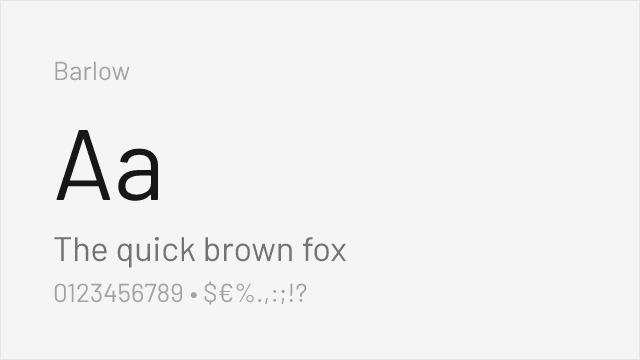
Best overall match with similar geometric structure and multiple width variants
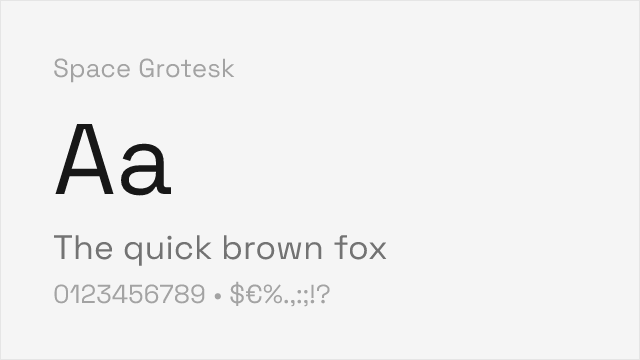
Clean geometric grotesk with modern details and contemporary character
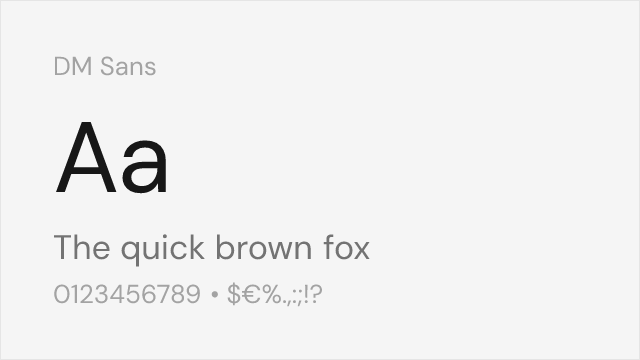
Accessible geometric sans with similar proportions and clean character
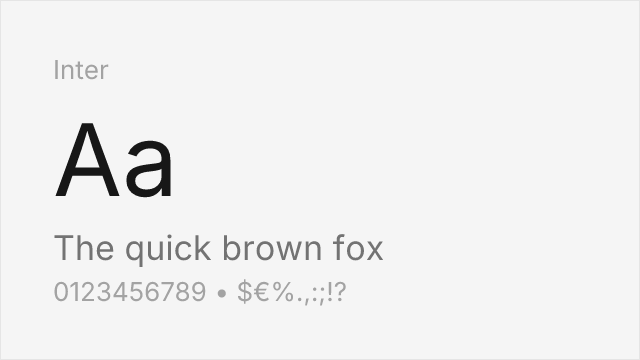
Strong UI grotesque with excellent screen optimization and broad language support
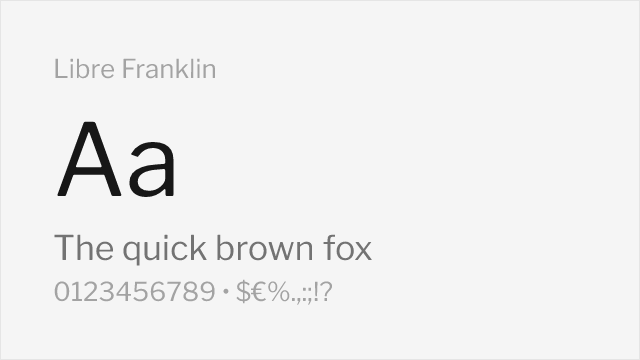
American grotesque with similar versatility and comprehensive weight range
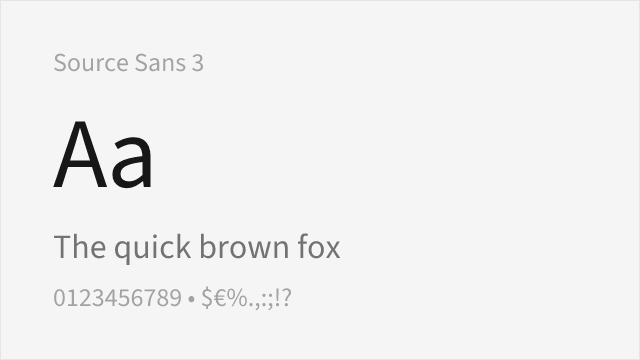
Reliable workhorse with broader language support and enterprise-grade optimization
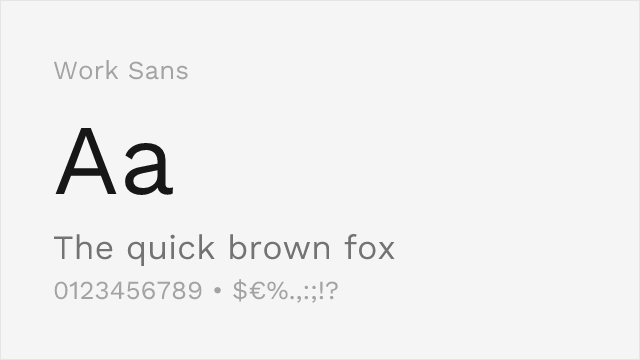
Industrial-functional grotesque with editorial range and variable font support
Compare the alternatives
See how Sharp Grotesk compares to its top alternatives — and how those alternatives compare to each other — side by side.
See where Sharp Grotesk is used in the wild and swap to free alternatives live.
Install FontSwap →Replacement Summary
Source: FontAlternatives.com
Premium font: Sharp Grotesk
Best free alternative: Barlow
FontAlternatives similarity score: 85%
Replacement difficulty: Low
Best for: projects needing condensed and regular widths, responsive layouts with space constraints, data visualization and dashboard typography, packaging and environmental signage
Notable users: IBM, Various creative agencies, Architecture and design firms
Not recommended when: Brand consistency with IBM requires exact letterforms
What is the best free alternative to Sharp Grotesk?
Barlow is the best free alternative to Sharp Grotesk with a FontAlternatives similarity score of 85%.
Barlow shares similar proportions, stroke characteristics, and intended use with Sharp Grotesk. It is available under the OFL-1.1 license, which permits both personal and commercial use at no cost.
This alternative works particularly well for: projects needing condensed and regular widths, responsive layouts with space constraints, data visualization and dashboard typography, packaging and environmental signage.
Can I safely replace Sharp Grotesk with Barlow?
Yes, Barlow is a high-confidence replacement for Sharp Grotesk. The FontAlternatives similarity score of 85% indicates strong structural compatibility.
Licensing: Barlow is licensed under OFL-1.1, which allows commercial use without licensing fees or royalties.
Weight coverage: Most weights have close or exact matches available.
When should I NOT replace Sharp Grotesk?
While Barlow is a strong alternative, there are situations where replacing Sharp Grotesk may not be appropriate:
- Strict compliance: Verify that OFL-1.1 terms meet your specific legal and compliance requirements.
Weight-Matching Guide
Map Sharp Grotesk weights to their closest free alternatives for accurate font substitution.
Barlow
| Sharp Grotesk | Barlow | Match |
|---|---|---|
| Thin (100) | Thin (100) | exact |
| Light (300) | Light (300) | exact |
| Regular (400) | Regular (400) | exact |
| Medium (500) | Medium (500) | exact |
| Bold (700) | Bold (700) | close |
| Black (900) | Black (900) | close |
Space Grotesk
| Sharp Grotesk | Space Grotesk | Match |
|---|---|---|
| Light (300) | Light (300) | close |
| Regular (400) | Regular (400) | close |
| Medium (500) | Medium (500) | close |
| Bold (700) | Bold (700) | close |
DM Sans
| Sharp Grotesk | DM Sans | Match |
|---|---|---|
| Thin (100) | Thin (100) | close |
| Light (300) | Light (300) | close |
| Regular (400) | Regular (400) | close |
| Medium (500) | Medium (500) | close |
| Bold (700) | Bold (700) | close |
| Black (900) | Black (900) | close |
Inter
| Sharp Grotesk | Inter | Match |
|---|---|---|
| Thin (100) | Thin (100) | close |
| Light (300) | Light (300) | close |
| Regular (400) | Regular (400) | close |
| Medium (500) | Medium (500) | close |
| Bold (700) | Bold (700) | close |
Libre Franklin
| Sharp Grotesk | Libre Franklin | Match |
|---|---|---|
| Thin (100) | Thin (100) | close |
| Light (300) | Light (300) | close |
| Regular (400) | Regular (400) | close |
| Medium (500) | Medium (500) | close |
| Bold (700) | Bold (700) | close |
| Black (900) | Black (900) | close |
Source Sans 3
| Sharp Grotesk | Source Sans 3 | Match |
|---|---|---|
| Light (300) | Light (300) | close |
| Regular (400) | Regular (400) | close |
| Medium (500) | Medium (500) | substitute |
| Bold (700) | Bold (700) | close |
| Black (900) | Black (900) | close |
Work Sans
| Sharp Grotesk | Work Sans | Match |
|---|---|---|
| Thin (100) | Thin (100) | close |
| Light (300) | Light (300) | close |
| Regular (400) | Regular (400) | close |
| Medium (500) | Medium (500) | close |
| Bold (700) | Bold (700) | close |
| Black (900) | Black (900) | close |
Performance Guide
Production performance metrics for each alternative.
How to Use Barlow
Copy these code snippets to quickly add Barlow to your project.
CSS code for Barlow
@import url('https://fonts.googleapis.com/css2?family=Barlow:wght@100;200;300;400;500;600;700;800;900&display=swap');HTML code for Barlow
<link rel="preconnect" href="https://fonts.googleapis.com">
<link rel="preconnect" href="https://fonts.gstatic.com" crossorigin>
<link href="https://fonts.googleapis.com/css2?family=Barlow:wght@100;200;300;400;500;600;700;800;900&display=swap" rel="stylesheet">
Tailwind code for Barlow
// tailwind.config.js
module.exports = {
  theme: {
    extend: {
      fontFamily: {
        'barlow': ['Barlow', 'sans-serif'],
      },
    },
  },
}

// Usage in HTML:
// <p class="font-barlow">Your text here</p>
Next.js code for Barlow
// Using next/font (Next.js 13+)
import { Barlow } from 'next/font/google';

const barlow = Barlow({
  subsets: ['latin'],
  weight: ['100', '200', '300', '400', '500', '600', '700', '800', '900'],
});

export default function Component() {
  return (
    <p className={barlow.className}>
      Your text here
    </p>
  );
}

// Or using inline styles with Google Fonts link:
// <p style={{ fontFamily: "'Barlow'" }}>Your text</p>
Expo and React Native code for Barlow
// Install: npx expo install @expo-google-fonts/barlow expo-font
import { useFonts, Barlow_400Regular } from '@expo-google-fonts/barlow';

export default function App() {
  const [fontsLoaded] = useFonts({
    Barlow_400Regular,
  });

  if (!fontsLoaded) return null;

  return (
    <Text style={{ fontFamily: 'Barlow_400Regular' }}>
      Your text here
    </Text>
  );
}
Recommended Font Pairings
These free fonts pair well with Barlow Sharp Grotesk for headlines, body text, or accent use.
Source Serif Pro's structured, rational serifs create a disciplined editorial pairing with Sharp Grotesk's geometric grotesque headlines, providing the kind of serif-sans contrast that works equally well in corporate reports, editorial features, and brand communications
Merriweather's sturdy, screen-optimized serifs provide comfortable long-form reading that contrasts with Sharp Grotesk's geometric precision in headlines — the combination suits corporate reports and content-heavy enterprise sites where both legibility and visual hierarchy matter
JetBrains Mono's clear glyph differentiation and programming ligatures make it the natural monospace companion for Sharp Grotesk in technical documentation, developer tool interfaces, and presentation materials where code and prose coexist
Browse Alternatives by Context
Find Sharp Grotesk alternatives filtered by specific use case, style, or language support.
By Use Case
By Script
Frequently Asked Questions
What is the best free alternative to Sharp Grotesk?
Barlow is the best free alternative to Sharp Grotesk with a FontAlternatives similarity score of 85%. It shares similar proportions and characteristics while being available under the OFL-1.1 license for both personal and commercial use at no cost.
Is there a free version of Sharp Grotesk?
There is no official free version of Sharp Grotesk. However, Barlow is available under the OFL-1.1 open-source license and achieves a FontAlternatives similarity score of 85%. It includes 9 weights and supports latin, latin-extended.
What Google Font looks like Sharp Grotesk?
The Google Fonts most similar to Sharp Grotesk are Barlow, Space Grotesk, DM Sans. Among these alternatives, Barlow offers the closest match with a FontAlternatives similarity score of 85% and includes 9 weights for design flexibility.
Can I use Barlow commercially?
Yes, Barlow can be used commercially. It is licensed under OFL-1.1, which allows free use in websites, applications, print materials, and commercial projects without purchasing a license or paying royalties.
Is Barlow similar enough to Sharp Grotesk?
Barlow achieves a FontAlternatives similarity score of 85% compared to Sharp Grotesk. While not identical, it offers comparable letterforms, proportions, and visual style. Most designers find it works excellently as a substitute in web and print projects.
What are the main differences between Sharp Grotesk and its free alternatives?
Free alternatives to Sharp Grotesk may differ in subtle details like letter spacing, curve refinements, and available weights. Premium fonts typically include more OpenType features, extended language support, and optimized screen rendering. However, for most projects, these differences are negligible.
Where can I download free alternatives to Sharp Grotesk?
Download Barlow directly from Google Fonts. Click the "Get Font" button on any alternative listed above to visit the official download page. Google Fonts also provides convenient embed codes for seamless web integration.