Free Alternatives to Untitled Sans

About Untitled Sans
- Foundry
- Klim Type Foundry
- Classification
- sans-serif
- Style
- neo-grotesque
Brands Using Untitled Sans
Editorial publication typography for tech industry news
Studio branding and portfolio presentation across print and digital
Brand communications and product literature typography
Product interfaces and brand systems where deliberate typographic neutrality is valued
 See Untitled Sans live on these sites with FontSwap →
Untitled Sans is a neo-grotesque sans-serif typeface designed by Kris Sowersby and released by Klim Type Foundry in 2017. The name is a manifesto: "Untitled" signals deliberate anonymity, a typeface that aspires to invisibility in service of the content it carries. Paired with its companion Untitled Serif, the family was conceived as a design-system workhorse — foundational typography for brands and products that want their type to support rather than perform. This philosophy of engineered neutrality, executed with the precision and craft that define Sowersby's work, has made Untitled Sans one of the most respected system-level typefaces in contemporary design. Where Helvetica achieved neutrality through ubiquity and Inter through optimization, Untitled Sans achieves it through intentional restraint — every design decision serves clarity, and nothing is added for its own sake.
Untitled Sans requires a paid license from Klim Type Foundry. Klim offers desktop, web, and app licenses priced separately, with web licenses tiered by page views. There is no free trial or educational discount. If your project cannot accommodate Klim's pricing, this page covers the best open-source alternatives and what to evaluate when choosing one.
Why Untitled Sans Matters
Untitled Sans occupies a philosophical position in type design that few typefaces articulate as clearly. Its premise is that a typeface can be designed with the same care and precision as any premium offering while deliberately refusing to be noticed. This is not the accidental anonymity of a system default or the forced neutrality of a corporate rebrand — it is anonymity as a design strategy, executed at the highest level of craft.
Kris Sowersby, one of the most critically acclaimed type designers working today, has described Untitled Sans as stripping the grotesque to its essential structure. Where his other designs — National, Calibre, Domaine — carry distinctive personalities, Untitled Sans is defined by its refusal to develop one. The a is not quirky. The g is not distinctive. The terminals do not announce themselves. Everything serves the reading experience and nothing else.
This philosophy has found its natural audience in design systems and platform-level products. Design studios adopt it for client presentations where the studio's taste should be evident in the layout and content, not the font choice. Architecture firms use it for the same reason they might use a grid or a measurement system — as infrastructure that enables the real work. Aesop, the Australian beauty brand, uses Untitled Sans in its brand communications because the typeface's deliberate anonymity lets the product and storytelling speak without typographic interference.
The "Untitled" family's structure reinforces this utility. Untitled Sans paired with Untitled Serif provides a complete typographic system — grotesque for interface and navigation, serif for editorial and long-form — with both faces designed in tandem so their metrics, proportions, and personality (or deliberate lack thereof) harmonize. This systems-level thinking distinguishes Klim's approach from foundries that produce individual star typefaces designed to stand alone.
Klim Type Foundry, based in Wellington, New Zealand, has earned a reputation as one of the world's finest independent foundries. Sowersby's designs are characterized by deep engagement with typographic history filtered through rigorous contemporary craft. Untitled Sans represents one pole of his practice: where National is expressive and Domaine is editorial, Untitled Sans is the foundation on which those expressions can stand.
Design Characteristics
Untitled Sans's design reveals a practice of systematic reduction — every feature serves function:
- Moderate x-height calibrated for system use: Tall enough for comfortable screen reading, short enough to maintain elegant proportions in print — a deliberate middle ground that optimizes for no single context and therefore serves many
- Open apertures with restrained counters: The
c,e,s, andahave generous openings that ensure legibility without the aggressive aperture widening found in screen-first fonts — Untitled Sans respects the neo-grotesque tradition while accommodating modern rendering - Flat-sided curves with minimal modulation: Bowls in
b,d,p,qfeature the characteristic grotesque flattening, producing the compact, efficient forms that make neo-grotesques effective in dense layouts - Near-monoline stroke construction: Minimal stroke contrast creates exceptionally even typographic color in running text — paragraphs appear as consistent gray blocks without the light-dark variation that draws attention to individual letterforms
- Horizontal terminals with no decorative shaping: Clean, unadorned stroke endings that refuse to assert personality — terminals are functional endpoints, not design features
- Tight, controlled letter-spacing: Default tracking is calibrated for professional density, slightly tighter than Inter but looser than Helvetica, reflecting Untitled Sans's priority of comfortable reading in editorial and interface contexts
- Five weights with matching italics: Light, Regular, Medium, Bold, and Black — a deliberately restrained weight range that provides essential hierarchy without the excess of superfamilies
Where Untitled Sans Excels
Untitled Sans is at its best when the typography should be invisible:
- Design system foundations: The systematic neutrality and harmonious metrics with Untitled Serif make it ideal for foundational design system type
- Editorial publications: Even typographic color and restrained character handle dense editorial layouts with authority and calm
- Technology platforms: Products that need typography to communicate reliability and precision without brand personality use Untitled Sans as infrastructure
- Architecture and design studios: The deliberate anonymity mirrors the discipline of architectural practice — structured, precise, serving the work
- Documentation and developer content: Technical writing benefits from Untitled Sans's clarity and refusal to introduce tonal distortion
- Cultural institutions: Museums, galleries, and foundations use it for materials where curatorial intelligence should speak through content, not typeface
Where Untitled Sans Struggles
Untitled Sans's engineered anonymity creates specific limitations:
- Brands needing personality and distinctiveness: Untitled Sans's deliberate anonymity is a liability when typography needs to carry brand personality — consumer brands, lifestyle companies, and entertainment properties need more expressive type
- Warm or friendly brand contexts: The neo-grotesque restraint reads as clinical in contexts that need warmth, approachability, or emotional connection
- Display and headline impact: Untitled Sans's refusal to perform makes it understated at display sizes where other typefaces would create visual impact and energy
- Projects requiring broad script support: Latin and Latin Extended coverage only — multilingual projects need Cyrillic, Greek, Arabic, or CJK fallback strategies
- Budget-constrained teams: Klim's premium pricing reflects the foundry's prestige but can be prohibitive for smaller projects
- Variable font workflows: Untitled Sans ships as static files only, lacking the performance and flexibility advantages that variable fonts provide for web deployment
- Contexts demanding typographic variety: The deliberately restrained weight range (five weights) limits hierarchy options in complex documents or interfaces
How to Choose a Free Substitute
When evaluating Untitled Sans replacements, focus on these criteria:
Intentional neutrality vs. generic neutrality: This is the hardest quality to evaluate and the most important. Untitled Sans feels neutral because every design decision was made to serve clarity. Many free sans-serifs feel neutral because no strong design decisions were made at all. Inter succeeds because Rasmus Andersson made similarly intentional choices. Test by asking: does this typeface feel designed, or does it feel like the absence of design?
Typographic color in dense text: Set a full paragraph at 14px in both Untitled Sans and your candidate. Untitled Sans produces exceptionally even color — a consistent gray tone without light or dark patches. This evenness is what makes it disappear into content. Alternatives with uneven stroke distribution or inconsistent spacing will reveal themselves in this test.
Proportions at UI sizes: Set your alternative in a realistic interface layout — navigation, form labels, body text, captions — at 12-16px. Untitled Sans's proportions are calibrated for this exact context. The reading rhythm should feel professional and controlled without being tight or cramped.
Weight distribution for hierarchy: Untitled Sans ships in five weights: Light, Regular, Medium, Bold, Black. Your alternative needs at least these same five weights with similar proportional steps between them. The transition from Regular to Medium should be visible but subtle — this step is critical for interface hierarchy.
Companion serif compatibility: If you are replacing both Untitled Sans and Untitled Serif, test your sans-serif and serif alternatives together. They should share similar x-heights, proportional structures, and personality (or lack thereof). Inter paired with Literata or Source Serif Pro approximates this harmony.
Premium Font Neighbors
If Untitled Sans's engineered anonymity resonates, explore these premium alternatives:
Cluster A: Neo-grotesque system workhorses
- Sohne (Klim Type Foundry) — Sowersby's other neo-grotesque; more personality than Untitled, described as "a memory of Helvetica"
- Aktiv Grotesk (Dalton Maag) — enterprise-grade grotesque with massive language support and robust hinting
- ABC Diatype (Dinamo) — contemporary neo-grotesque from a Swiss foundry with comparable design-world cachet
- Neufile Grotesk (Indian Type Foundry) — clean, systematic grotesque with broad weight range
Cluster B: Editorial and design-system grotesques
- Graphik (Commercial Type) — the pre-Sohne default for tech companies; more warmth than Untitled
- Suisse Int'l (Swiss Typefaces) — refined Swiss neo-grotesque with similar editorial DNA
- Replica (Lineto) — stripped-down, almost brutalist grotesque for conceptual design contexts
- Nitti Grotesk (Bold Monday) — systematic grotesque with matching mono companion, similar systems-level thinking
FAQ
Is Untitled Sans free?
No. Untitled Sans is a premium typeface from Klim Type Foundry with per-project licensing. Desktop, web, and app licenses are priced separately, with web licenses tiered by monthly page views. There is no free tier, trial version, or educational discount. The best free alternative is Inter at 87% similarity.
What is the best free alternative to Untitled Sans?
Inter is the closest free alternative at 87% similarity. Both share a deliberately neutral neo-grotesque character designed for screen-first functionality. Inter adds variable font support, optical sizing, broader language coverage (including Cyrillic and Greek), and an extensive weight range from Thin to Black — features that make it a practical upgrade in several dimensions.
What is Untitled Serif?
Untitled Serif is the companion serif typeface designed alongside Untitled Sans. Both share the same design philosophy of engineered anonymity — a serif that serves content without adding personality. Together they provide a complete typographic system for brands and products that need both sans-serif and serif typography with harmonious metrics and consistent character.
Who designed Untitled Sans?
Kris Sowersby, founder of Klim Type Foundry in Wellington, New Zealand. Sowersby is one of the most critically acclaimed type designers working today, known for typefaces including National, Calibre, Domaine, Tiempos, and Sohne. Untitled Sans represents his most deliberately restrained design — a typeface that channels his craft into invisibility rather than expression.
Is Untitled Sans a variable font?
No. Untitled Sans ships as static font files in five weights (Light, Regular, Medium, Bold, Black) with matching italics. There is an irony in a typeface positioned as a "design system workhorse" lacking the variable font support that modern design systems increasingly require — CSS custom properties, fluid type scales, and responsive weight adjustments all depend on variable font axes that Untitled Sans cannot provide. Most of its free alternatives — including Inter, Work Sans, Source Sans 3, and Public Sans — are available as variable fonts, offering both the technical flexibility and the performance advantages that system-level typography demands.
Does Untitled Sans support Cyrillic?
No. Untitled Sans supports Latin and Latin Extended scripts only. For projects requiring Cyrillic with comparable neutrality, Inter (Cyrillic, Greek, Vietnamese) and Source Sans 3 (Cyrillic, Greek) are the standard open-source solutions that maintain a compatible aesthetic.
How does Untitled Sans compare to Helvetica?
Both are neo-grotesques, but they represent different eras and philosophies. Helvetica (1957) achieved neutrality through decades of institutional adoption — it became invisible because it was everywhere. Untitled Sans (2017) was designed to be invisible from the start — its neutrality is intentional and engineered rather than accumulated. Untitled Sans has more open apertures, better screen rendering, and contemporary proportions. Helvetica carries institutional associations; Untitled Sans carries design-literacy associations.
Why is it called "Untitled"?
The name is a deliberate reference to the art-world convention of labeling works "Untitled" — a refusal to direct interpretation. Applied to a typeface, the name signals that this is typography designed to carry other people's words without adding its own voice. It is a manifesto of typographic anonymity executed at the highest level of craft.
Is Untitled Sans good for body text?
Excellent. Untitled Sans was specifically designed for sustained body text reading. Its even stroke distribution, moderate x-height, and controlled letter-spacing produce exceptionally comfortable extended reading at both screen sizes (14-18px) and print sizes (9-11pt). The five-weight range provides clear hierarchy for headings and emphasis within text-heavy documents.
How does Untitled Sans compare to Inter?
Both are neutral, screen-optimized neo-grotesques, and Inter is the closest free alternative at 87% similarity. The key differences: Untitled Sans has a more restrained, boutique quality that signals design craft; Inter is more democratically accessible. Untitled Sans ships as static files in five weights; Inter offers variable font support with 18+ features. Untitled Sans is Latin-only; Inter covers Cyrillic and Greek. For pure aesthetic quality, Untitled Sans has an edge; for practical utility, Inter wins on coverage and flexibility.
Is Untitled Sans on Google Fonts?
No, Untitled Sans is a premium font from Klim Type Foundry and is not available on Google Fonts.
The closest Google Fonts alternative is Inter with 87% similarity. Get it free on Google Fonts ↗
Free Alternatives (7)
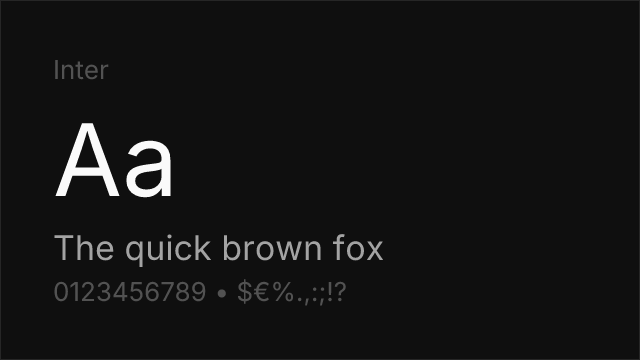
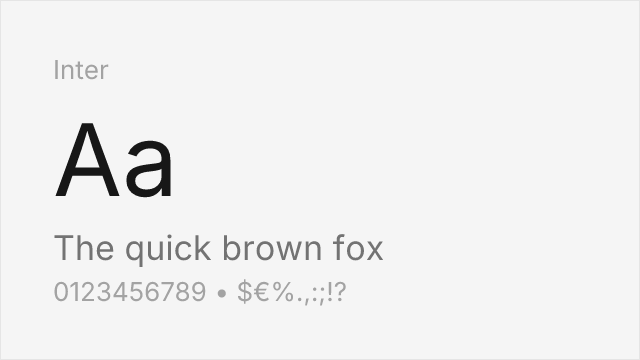
Closest overall match with exceptional screen optimization and full variable font support
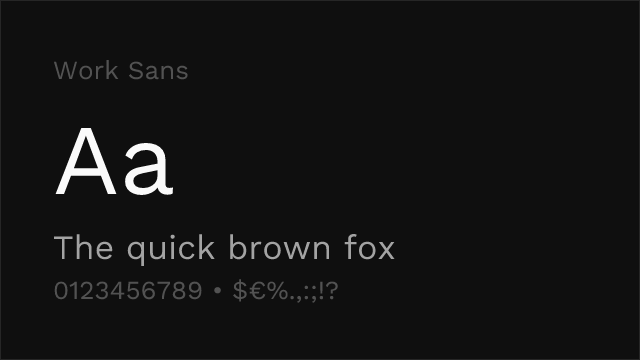
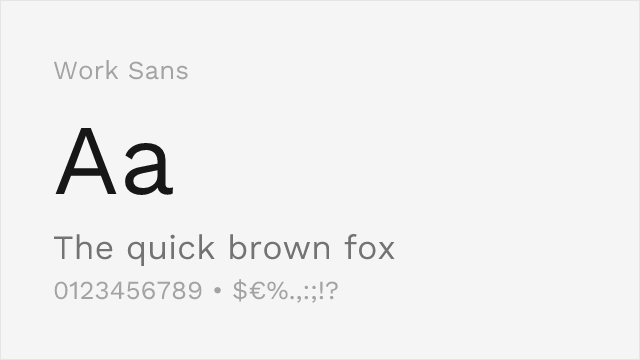
Mature editorial sans with comparable restraint and excellent weight distribution
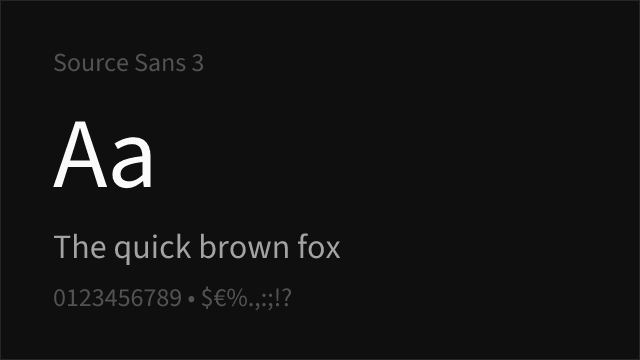
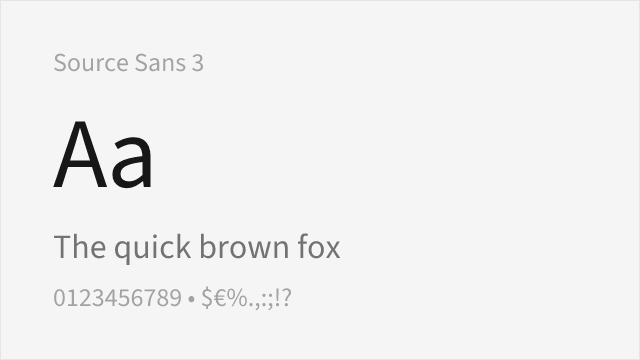
Adobe's workhorse sans with broad language support and proven reliability at scale
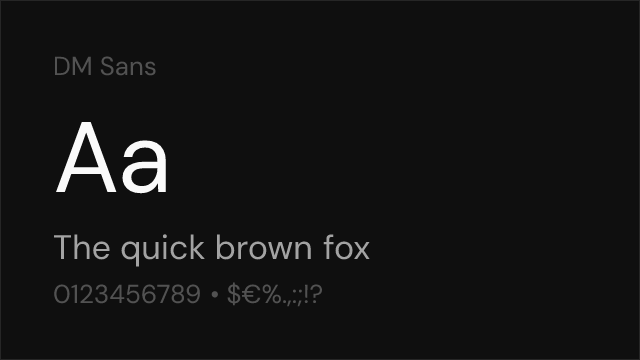
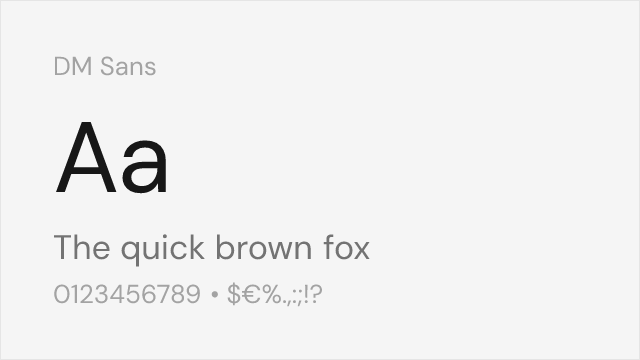
Modern grotesque with clean proportions and contemporary screen optimization
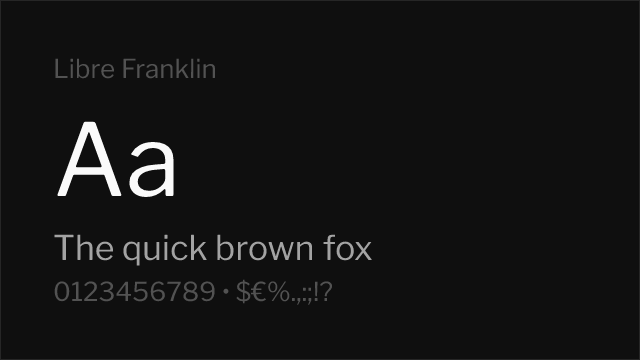
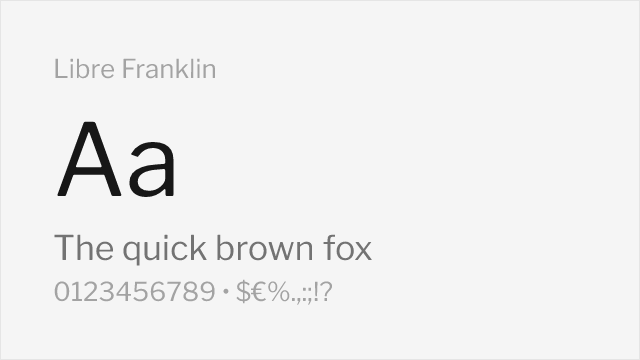
Faithful Franklin Gothic revival with editorial authority and functional clarity
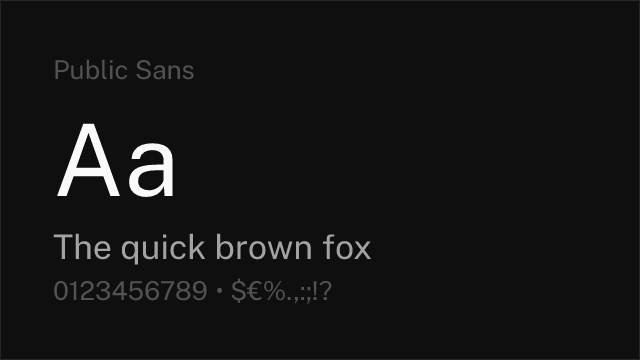
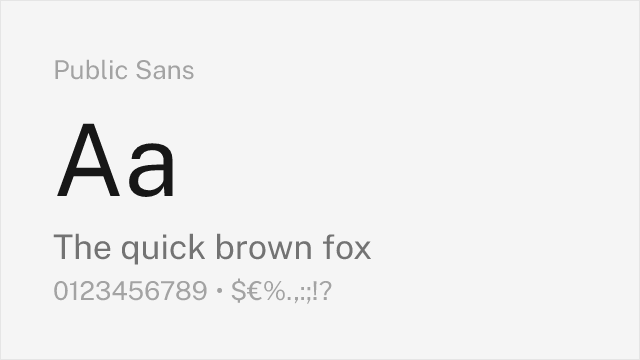
Government-grade neutrality with accessibility-first design philosophy
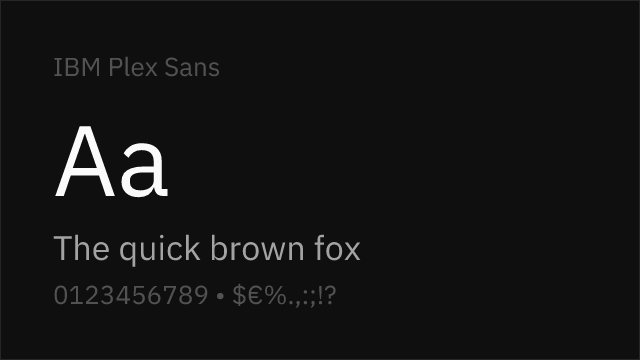
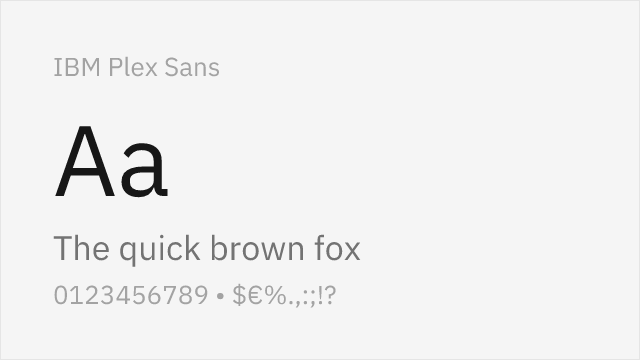
Corporate-grade sans with systematic design philosophy and broad technical support
See where Untitled Sans is used in the wild and swap to free alternatives live.
Install FontSwap →Replacement Summary
Source: FontAlternatives.com
Premium font: Untitled Sans
Best free alternative: Inter
FontAlternatives similarity score: 87%
Replacement difficulty: Low
Best for: design system foundations, content-heavy interfaces, editorial web layouts, developer documentation
Notable users: Protocol (by The Verge), Various design studios, Aesop
Not recommended when: Brand consistency with Protocol (by The Verge) requires exact letterforms
What is the best free alternative to Untitled Sans?
Inter is the best free alternative to Untitled Sans with a FontAlternatives similarity score of 87%.
Inter shares similar proportions, stroke characteristics, and intended use with Untitled Sans. It is available under the OFL-1.1 license, which permits both personal and commercial use at no cost.
This alternative works particularly well for: design system foundations, content-heavy interfaces, editorial web layouts, developer documentation.
Can I safely replace Untitled Sans with Inter?
Yes, Inter is a high-confidence replacement for Untitled Sans. The FontAlternatives similarity score of 87% indicates strong structural compatibility.
Licensing: Inter is licensed under OFL-1.1, which allows commercial use without licensing fees or royalties.
Weight coverage: All 4 weights have exact matches available.
When should I NOT replace Untitled Sans?
While Inter is a strong alternative, there are situations where replacing Untitled Sans may not be appropriate:
- Brand consistency: Untitled Sans is commonly seen in Design system foundations contexts where exact letterforms may be required.
- Strict compliance: Verify that OFL-1.1 terms meet your specific legal and compliance requirements.
Weight-Matching Guide
Map Untitled Sans weights to their closest free alternatives for accurate font substitution.
Inter
| Untitled Sans | Inter | Match |
|---|---|---|
| Light (300) | Light (300) | exact |
| Regular (400) | Regular (400) | exact |
| Medium (500) | Medium (500) | exact |
| Bold (700) | Bold (700) | exact |
Work Sans
| Untitled Sans | Work Sans | Match |
|---|---|---|
| Light (300) | Light (300) | exact |
| Regular (400) | Regular (400) | exact |
| Medium (500) | Medium (500) | exact |
| Bold (700) | Bold (700) | close |
Source Sans 3
| Untitled Sans | Source Sans 3 | Match |
|---|---|---|
| Light (300) | Light (300) | close |
| Regular (400) | Regular (400) | close |
| Medium (500) | Medium (500) | close |
| Bold (700) | Bold (700) | close |
DM Sans
| Untitled Sans | DM Sans | Match |
|---|---|---|
| Light (300) | Light (300) | close |
| Regular (400) | Regular (400) | close |
| Medium (500) | Medium (500) | close |
| Bold (700) | Bold (700) | close |
Libre Franklin
| Untitled Sans | Libre Franklin | Match |
|---|---|---|
| Light (300) | Light (300) | close |
| Regular (400) | Regular (400) | close |
| Medium (500) | Medium (500) | substitute |
| Bold (700) | Bold (700) | close |
Public Sans
| Untitled Sans | Public Sans | Match |
|---|---|---|
| Light (300) | Light (300) | close |
| Regular (400) | Regular (400) | close |
| Medium (500) | Medium (500) | close |
| Bold (700) | Bold (700) | close |
IBM Plex Sans
| Untitled Sans | IBM Plex Sans | Match |
|---|---|---|
| Light (300) | Light (300) | close |
| Regular (400) | Regular (400) | close |
| Medium (500) | Medium (500) | close |
| Bold (700) | Bold (700) | close |
Performance Guide
Production performance metrics for each alternative.
How to Use Inter
Copy these code snippets to quickly add Inter to your project.
CSS code for Inter
@import url('https://fonts.googleapis.com/css2?family=Inter:wght@100..900&display=swap');HTML code for Inter
<link rel="preconnect" href="https://fonts.googleapis.com">
<link rel="preconnect" href="https://fonts.gstatic.com" crossorigin>
<link href="https://fonts.googleapis.com/css2?family=Inter:wght@100..900&display=swap" rel="stylesheet">
Tailwind code for Inter
// tailwind.config.js
module.exports = {
  theme: {
    extend: {
      fontFamily: {
        'inter': ['Inter', 'sans-serif'],
      },
    },
  },
}

// Usage in HTML:
// <p class="font-inter">Your text here</p>
Next.js code for Inter
// Using next/font (Next.js 13+)
import { Inter } from 'next/font/google';

const inter = Inter({
  subsets: ['latin'],
  weight: ['100', '200', '300', '400', '500', '600', '700', '800', '900'],
});

export default function Component() {
  return (
    <p className={inter.className}>
      Your text here
    </p>
  );
}

// Or using inline styles with Google Fonts link:
// <p style={{ fontFamily: "'Inter'" }}>Your text</p>
Expo and React Native code for Inter
// Install: npx expo install @expo-google-fonts/inter expo-font
import { useFonts, Inter_400Regular } from '@expo-google-fonts/inter';

export default function App() {
  const [fontsLoaded] = useFonts({
    Inter_400Regular,
  });

  if (!fontsLoaded) return null;

  return (
    <Text style={{ fontFamily: 'Inter_400Regular' }}>
      Your text here
    </Text>
  );
}
Recommended Font Pairings
These free fonts pair well with Inter Untitled Sans for headlines, body text, or accent use.
Literata's warm contemporary serifs provide editorial contrast against Untitled Sans's neutral grotesque forms — both share a commitment to screen-optimized readability that makes them natural partners for digital editorial layouts
Source Serif Pro's steady transitional serifs complement Untitled Sans's restrained neo-grotesque character for professional editorial hierarchies, echoing the traditional sans-serif/serif pairing with contemporary optimization
EB Garamond's classical humanist elegance creates a sophisticated contrast against Untitled Sans's deliberate anonymity — a pairing that bridges historical typographic tradition with contemporary minimalism for cultural and editorial design
Browse Alternatives by Context
Find Untitled Sans alternatives filtered by specific use case, style, or language support.
By Style
By Script
Frequently Asked Questions
What is the best free alternative to Untitled Sans?
Inter is the best free alternative to Untitled Sans with a FontAlternatives similarity score of 87%. It shares similar proportions and characteristics while being available under the OFL-1.1 license for both personal and commercial use at no cost.
Is there a free version of Untitled Sans?
There is no official free version of Untitled Sans. However, Inter is available under the OFL-1.1 open-source license and achieves a FontAlternatives similarity score of 87%. It includes variable weights and supports latin, latin-extended.
What Google Font looks like Untitled Sans?
The Google Fonts most similar to Untitled Sans are Inter, Work Sans, Source Sans 3. Among these alternatives, Inter offers the closest match with a FontAlternatives similarity score of 87% and includes variable weights for flexible typography options.
Can I use Inter commercially?
Yes, Inter can be used commercially. It is licensed under OFL-1.1, which allows free use in websites, applications, print materials, and commercial projects without purchasing a license or paying royalties.
Is Inter similar enough to Untitled Sans?
Inter achieves a FontAlternatives similarity score of 87% compared to Untitled Sans. While not identical, it offers comparable letterforms, proportions, and visual style. Most designers find it works excellently as a substitute in web and print projects.
What are the main differences between Untitled Sans and its free alternatives?
Free alternatives to Untitled Sans may differ in subtle details like letter spacing, curve refinements, and available weights. Premium fonts typically include more OpenType features, extended language support, and optimized screen rendering. However, for most projects, these differences are negligible.
Where can I download free alternatives to Untitled Sans?
Download Inter directly from Google Fonts. Click the "Get Font" button on any alternative listed above to visit the official download page. Google Fonts also provides convenient embed codes for seamless web integration.