Free Alternatives to Söhne

About Söhne
- Foundry
- Klim Type Foundry
- Classification
- sans-serif
- Style
- neo-grotesque
Brands Using Söhne
Primary UI typeface across Dashboard, Docs, and marketing materials
Used Söhne across its marketing and ChatGPT interface before introducing its own OpenAI Sans
The defining neo-grotesque of the 2020s developer-tools and fintech aesthetic
A frequent choice for design-led software companies wanting warm-but-precise neutrality
 See Söhne live on these sites with FontSwap →
See Söhne in the Wild
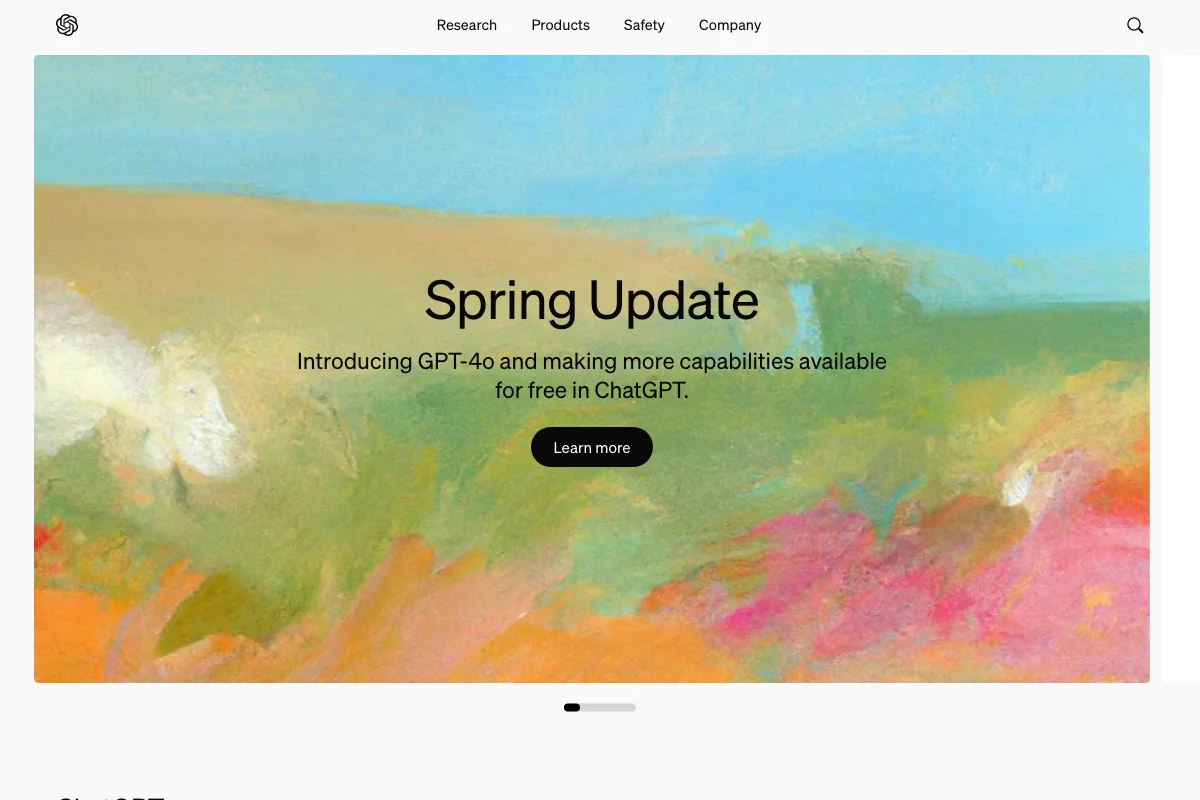
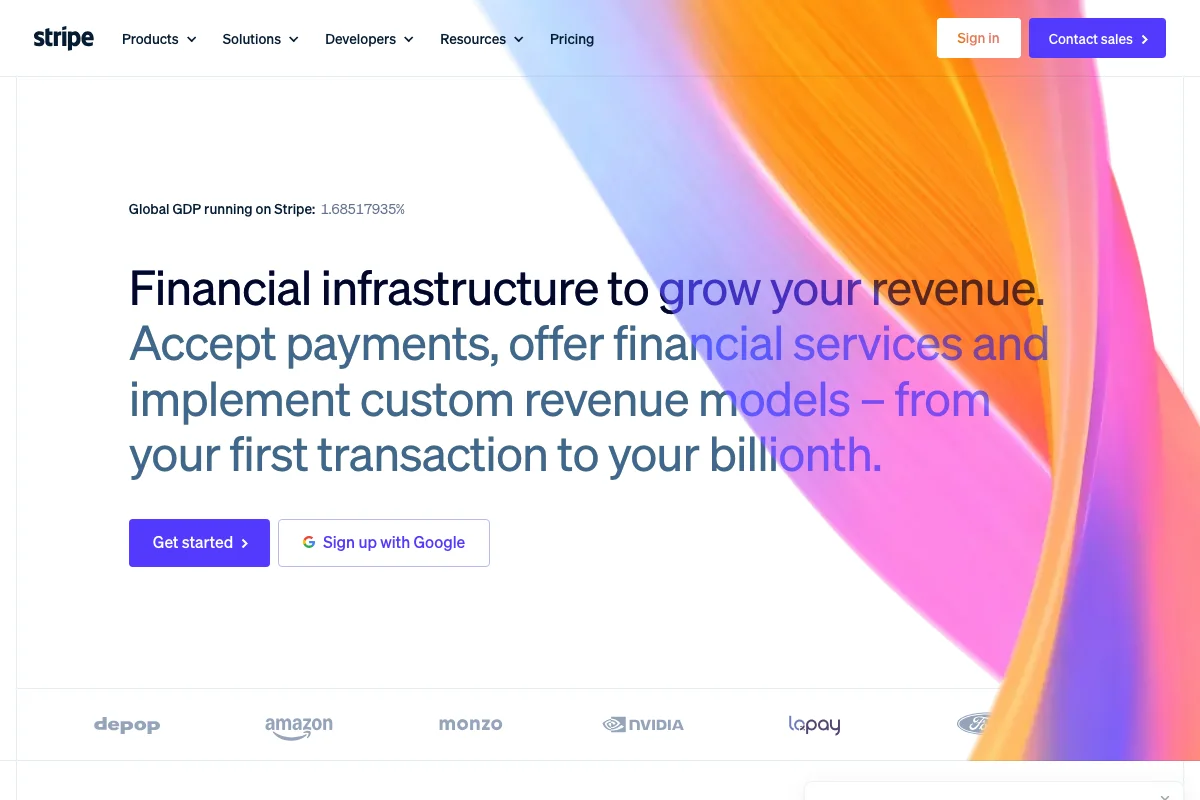
Söhne is a neo-grotesque sans-serif designed by Kris Sowersby and released by Klim Type Foundry in 2019. Its brief was an unusual one. Rather than revive Akzidenz-Grotesk or redraw Helvetica, Sowersby set out to capture Akzidenz-Grotesk as it is remembered through the lens of Helvetica. Klim describes Söhne as "the memory of Akzidenz-Grotesk framed through the reality of Helvetica," and that idea does a lot of work: the typeface feels instantly familiar and quietly new at the same time.
In the years since, it has become one of the defining voices of the 2020s software industry.
If Circular was the sans-serif that defined the 2010s startup era, Söhne is the typeface that answered it. The previous decade reached for geometric warmth and rounded optimism. The current one wanted something more precise, more grown-up, and a little cooler to the touch. Söhne delivered exactly that, which is why it now sits at the center of the developer-tools and fintech aesthetic the way Circular once sat at the center of the consumer-app boom.
Söhne requires a paid license from Klim Type Foundry. Licensing is sold per use case, with separate desktop, web, and app options, and there is no free tier. If your budget cannot stretch to Klim's pricing, this page covers the strongest open-source substitutes and exactly what to weigh when you choose one.
Why Söhne Matters
Söhne's adoption by the most design-conscious technology companies of the 2020s was not an accident of fashion. It was a positioning decision, made over and over by teams who all wanted to signal the same thing.
Consider who reaches for it. Stripe uses Söhne as its primary UI typeface across the Dashboard, its documentation, and its marketing. OpenAI built its marketing and ChatGPT interface typography on Söhne for years, before eventually commissioning its own OpenAI Sans. Across the wider developer-tools and fintech world it became close to a default for teams that treat typography as product. They converged on the same face independently, and that convergence is the tell.
What they recognized is that Söhne occupies a narrow but valuable position. It reads as Helvetica-adjacent, which is to say familiar, trustworthy, and professional, while feeling unmistakably contemporary. It sidesteps the retro baggage of actual Helvetica, the institutional flatness of Arial, and the by-now-ubiquitous default feel of Inter. Picking Söhne is a way of saying that someone with taste made the typography decision, and that the decision cost something.
That last part matters more than it should. Part of Söhne's value is positional. Because it is licensed, not free, and because it comes from a foundry with real credibility in design circles, it carries a small signal of investment that a system font or a Google Font cannot. For a certain kind of premium product, that signal is the point.
The font's German weight names — Extraleicht, Leicht, Buch, Kräftig, Halbfett, Dreiviertelfett, Fett, Extrafett — are not affectation. They nod to the naming conventions of the mid-century German grotesques that Söhne descends from, and they reinforce the family's ties to that tradition every time a designer opens the weight menu.
Design Characteristics
Söhne's whole personality comes from a single idea, executed with discipline: take the neo-grotesque skeleton everyone already knows, and warm it up just enough to feel human without ever feeling soft.
Placed next to Helvetica, the family looks like a close relative rather than a copy. The stroke rhythm is a touch more even, the letterforms breathe a little more at small sizes, and the overall texture on the page is calmer and less locked-up. Söhne trades a small amount of Swiss rigidity for legibility on screens, which is precisely the environment it was built for.
The specific decisions that give it that character:
- A tall, comfortable x-height. Lowercase letters occupy a generous share of the body, which keeps text readable at the 12–16px range where most product interfaces actually live.
- Apertures that open up. The
c,e,s, andaare drawn more openly than Helvetica's inward-curling counters. This is the single change that most improves small-size screen legibility, and it is the clearest tell that you are looking at Söhne rather than a classic grotesque. - A near-monoline stroke. Contrast between thick and thin is minimal, so paragraphs settle into an even typographic color with little visual noise. In dense dashboards and long documentation, that evenness reads as calm.
- Restrained, largely horizontal terminals. Stroke endings are clean and controlled rather than angled or decorative, which keeps the tone measured.
- A double-storey
aandg. These classic grotesque forms anchor Söhne in the Akzidenz lineage instead of the geometric-sans camp of Futura or Circular. - Proportional and tabular figures. The tabular set is essential for the data tables, dashboards, and financial displays that Söhne so often ends up setting.
The Söhne name is really a small superfamily rather than a single face. The core Söhne grotesk covers text and UI. Söhne Breit is a wider, extended cut for display and headlines. Söhne Schmal is the condensed companion for tight spaces and large-scale typographic layouts. Söhne Mono handles code, terminals, and technical interfaces. Each is licensed separately, and together they let a team run a single typographic voice from a nav bar down to a code block.
Where Söhne Excels
Söhne is at its best in digital product work, where its calm precision does the most good:
- SaaS dashboards. The even color and tabular figures make dense information displays legible without fuss.
- Developer tools. Its rational, unshowy character suits engineering-minded products where the type is supposed to disappear and let the work show.
- Marketing sites for technology companies. It adds a layer of premium polish to landing pages without ever tipping into decoration.
- Documentation. A clean hierarchy from the light weights up through the heavy ones supports the kind of scannable, structured writing that docs demand.
- Dark-mode interfaces. The near-monoline stroke holds its weight consistently across light and dark themes, so nothing thins out or muddies when the palette flips.
The common thread is unemotional, high-trust information design. When the job is to present a product, a number, or an instruction with quiet authority, Söhne is very hard to beat.
Where Söhne Struggles
No typeface is universal, and Söhne's strengths define its blind spots.
It is not the right tool for long-form editorial reading. In continuous prose — a magazine feature, a book chapter, pages of running text — its low contrast and even texture can grow monotonous, and a humanist face like Source Sans 3 will be more comfortable over the long haul.
It is also a poor fit for warm or playful brands. Söhne's precision reads as cool and composed, which is an asset for a fintech dashboard and a liability for a children's brand, a food startup, or anything that wants to feel approachable and human first.
A few more constraints worth naming:
- Multilingual reach is limited. Söhne is built for Latin scripts. Projects that need Cyrillic, Greek, Arabic, or CJK will need a fallback plan.
- It ships as static fonts. There is no variable version, so you load discrete weight files rather than a single axis-driven file. Several of its best free alternatives are actually ahead of it here.
- It is a paid, self-hosted dependency. No CDN, no Google Fonts, no free trial. That is fine for a funded team and a real obstacle for a side project.
How to Choose a Free Substitute
The right free substitute depends far less on which specimen looks "most like Söhne" and far more on where your type is going to live. Start with these criteria, then match a font to your context.
Check the x-height and spacing rhythm first, because that is what the eye actually registers as "Söhne." Set your candidate at 14px and 16px inside a real UI, not in a specimen, and see whether it holds the same reading rhythm. Then confirm the weight range (you want at least Regular, Medium, Semi Bold, and Bold to rebuild a normal UI hierarchy), verify tabular figures if you display numbers in tables or dashboards, and decide how much you value variable font support, which most of these alternatives offer and Söhne does not.
With those in hand, the practical mapping looks like this:
- Inter is the default recommendation and the closest overall match. It shares Söhne's tall x-height, open apertures, and screen-first neo-grotesque skeleton, and it adds a variable family, broader language coverage, and optical sizing. For most product teams switching away from Söhne, this is the answer.
- Geist is the developer-native pick. Vercel drew it for exactly the audience Söhne serves, and it ships with a monospace companion, which makes it a natural fit for CLIs, docs, and dark-mode tooling.
- Satoshi (from Fontshare) gives you the most "boutique" feel of the free options, with a slightly warmer character that echoes Söhne's premium tone.
- DM Sans and Plus Jakarta Sans both lean a little more geometric and approachable, which is useful when a fintech or B2B product wants to soften Söhne's coolness without losing credibility.
- Work Sans is the choice for content-heavy and editorial layouts, where its faintly humanist terminals read more comfortably across long stretches than Söhne does.
- Source Sans 3 trades boutique character for enterprise-grade reliability: deep language support and battle-tested hinting for multilingual or institutional work.
- Public Sans is the accessibility-first option, built to government standards, for form-heavy and compliance-driven interfaces where neutrality and legibility matter more than brand distinctiveness.
A simple rule: if you are building a modern product for screens, start with Inter or Geist. If you are optimizing for reading, reach, or compliance instead, drop down to Work Sans, Source Sans 3, or Public Sans. The free field around Söhne is unusually strong, and in several cases the variable-font support is a genuine upgrade rather than a compromise.
Premium Font Neighbors
If Söhne's approach appeals but you want to understand the neighborhood it lives in, it helps to look both backward at its ancestors and sideways at its rivals.
The lineage. Söhne is a reinterpretation, so its ancestors are worth knowing directly. Akzidenz-Grotesk is the 19th-century German grotesque that started the whole family tree and reads more industrial and historic than Söhne. Neue Haas Grotesk is Helvetica restored to its original drawings, the "memory" Söhne is filtered through. Helvetica Now is Monotype's own modern, optically-sized reworking of Helvetica, and it is the most direct commercial answer to the same problem Söhne set out to solve. Univers, Adrian Frutiger's rival system from the Helvetica era, rounds out the classic references.
The direct competitors. Among contemporary faces built for the same tech-product world, a few sit closest to Söhne. ABC Diatype (Dinamo) is similarly clinical, with slightly wider proportions and a more mechanical edge. Basis Grotesque (Colophon) offers a comparable rational-but-characterful grotesque that shows up across editorial and tech branding. Aktiv Grotesk (Dalton Maag) is a cleaned-up Helvetica replacement engineered for digital, more corporate in tone than Söhne. Graphik (Commercial Type) was the pre-Söhne default for design-led startups and remains a warmer, more humanist option.
Sowersby's own shelf. It is also worth staying inside Klim. Founders Grotesk is Sowersby's earlier, tighter grotesque, and Calibre is his more geometric take on similar ideas. If you like how Söhne thinks, these two are the most natural places to explore next.
Working through these clarifies what you actually want from Söhne: the historical shapes (Akzidenz-Grotesk, Neue Haas Grotesk), the optically-tuned modern Helvetica (Helvetica Now), or simply the warm-but-precise neo-grotesque feeling, which the free alternatives above deliver at no cost.
FAQ
Is Söhne free?
No. Söhne is a premium typeface from Klim Type Foundry, licensed per use case, with separate desktop, web, and app options and no free or trial version. If cost is the obstacle, the closest free substitutes are Inter and Geist.
What is the best free alternative to Söhne?
Inter is the strongest overall match. It shares Söhne's tall x-height, open apertures, and screen-first neo-grotesque construction, and it adds a variable font family, optical sizing, and broader language coverage, including Cyrillic and Greek, which Söhne lacks. For most digital product work, Inter is the practical drop-in.
Why do so many tech companies use Söhne?
Because it signals design maturity without being decorative. Söhne reads as "Helvetica, but chosen on purpose," which is precisely how design-led companies want their products to feel. High-visibility users like Stripe and OpenAI put it in front of huge audiences, and the Klim Type Foundry name carries real weight in design circles. Part of its value is positional: a licensed boutique typeface communicates investment in a way a default font cannot.
Can I use Söhne on the web?
Yes, with a web license from Klim, which is tiered by traffic. You self-host the WOFF2 files. Söhne is not available through Google Fonts, Adobe Fonts, or any other font CDN, so there is no way to load it without a license. Free alternatives like Inter, Geist, and Work Sans can be self-hosted or served from a CDN at no cost.
What is the difference between Söhne, Söhne Breit, Söhne Schmal, and Söhne Mono?
Söhne is the core grotesk for text and UI. Söhne Breit is the wider, extended cut for headlines and display use. Söhne Schmal is the condensed companion for tight or large-scale layouts. Söhne Mono is the monospace family for code, terminals, and technical interfaces. Each is licensed separately, and together they cover a full product from marketing headline to code block.
Does Söhne support Cyrillic or other non-Latin scripts?
Söhne is built primarily for Latin scripts (Latin and Latin Extended). For projects that need Cyrillic or Greek, Inter is the standard open-source answer, and for very broad script coverage, Noto Sans handles nearly everything. Always confirm current language support with Klim before committing on a multilingual project.
Is Söhne a variable font?
No. Söhne ships as static font files across its weight range, so you load individual weights rather than a single variable file. Several of its best free alternatives — Inter, Geist, Work Sans, DM Sans, and others — are available as variable fonts, which is an advantage for web performance and fluid typographic scales.
Who designed Söhne?
Kris Sowersby, founder of Klim Type Foundry in Wellington, New Zealand. Sowersby is one of the most respected type designers working today, also known for Founders Grotesk, Calibre, National, Tiempos, and Domaine. His work is defined by deep historical research reinterpreted through a contemporary sensibility, and Söhne — his reimagining of Akzidenz-Grotesk framed through Helvetica — is among the clearest examples of that method.
Is Söhne on Google Fonts?
No, Söhne is a premium font from Klim Type Foundry and is not available on Google Fonts.
The closest Google Fonts alternative is Inter with 90% similarity. Get it free on Google Fonts ↗
Free Alternatives (8)
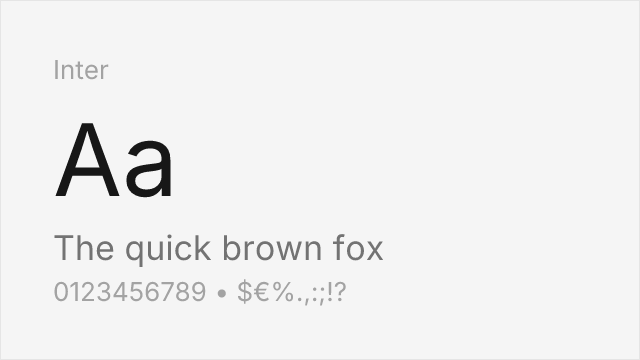
Closest overall match with exceptional screen rendering and variable font support
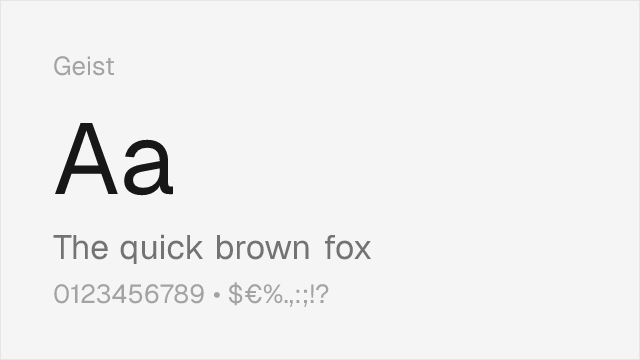
Vercel's own typeface with very similar tech-focused aesthetic
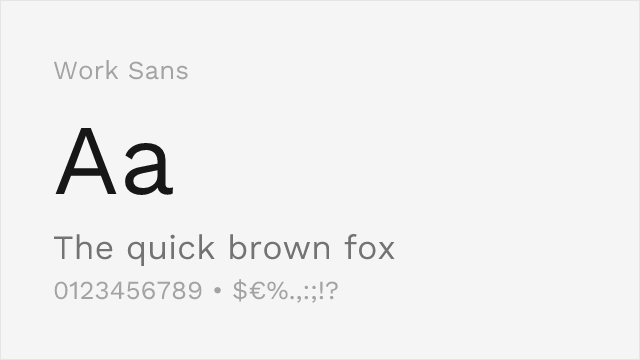
Mature editorial sans with comparable weight distribution
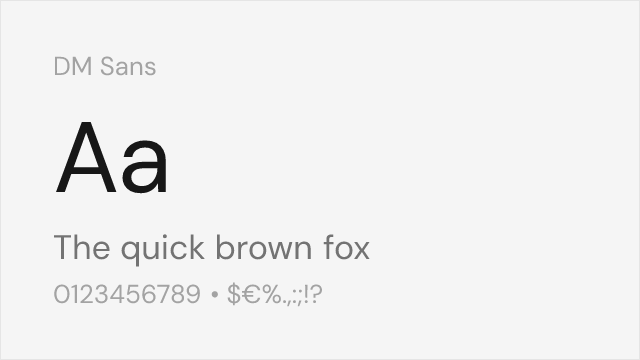
Geometric-leaning grotesque with clean, modern proportions
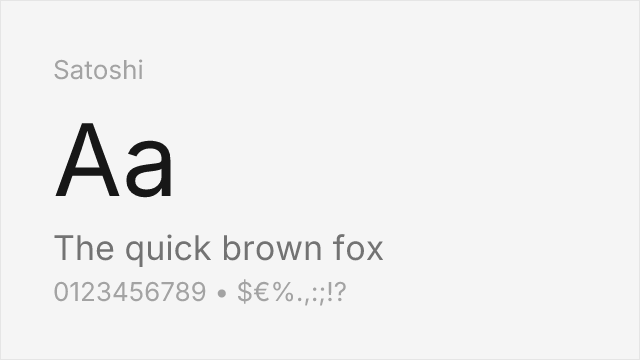
Popular neo-grotesque from Fontshare with clean character
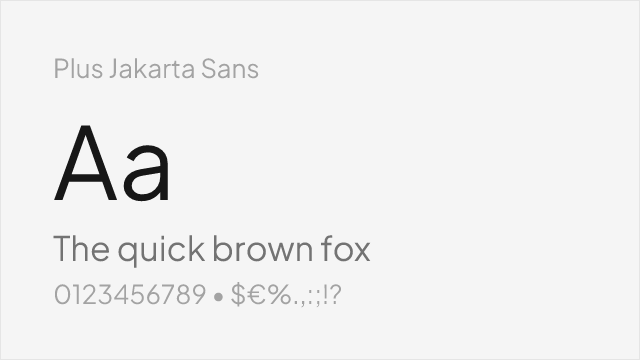
Contemporary geometric with slightly warmer character
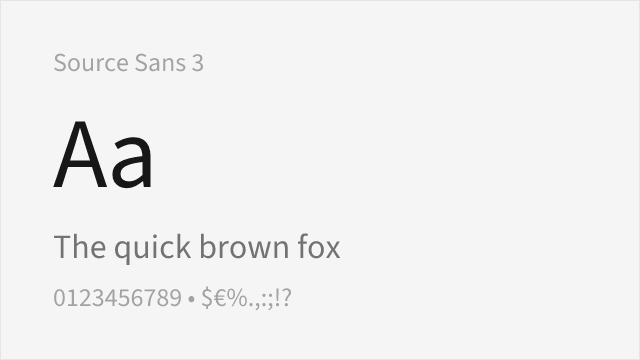
Adobe's workhorse sans with broad language support and strong hinting
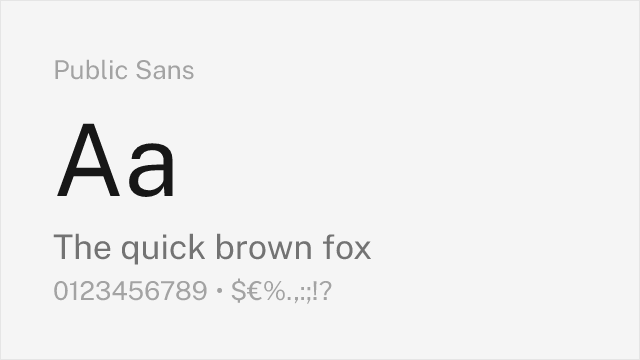
Government-grade neutrality with accessibility-first design
Compare the alternatives
See how Söhne compares to its top alternatives — and how those alternatives compare to each other — side by side.
See where Söhne is used in the wild and swap to free alternatives live.
Install FontSwap →Replacement Summary
Source: FontAlternatives.com
Premium font: Söhne
Best free alternative: Inter
FontAlternatives similarity score: 90%
Replacement difficulty: Low
Best for: product UI and dashboards, SaaS marketing sites, developer documentation, design system foundations
Notable users: Stripe, OpenAI, Developer tools & fintech products
Not recommended when: Brand consistency with Stripe requires exact letterforms
What is the best free alternative to Söhne?
Inter is the best free alternative to Söhne with a FontAlternatives similarity score of 90%.
Inter shares similar proportions, stroke characteristics, and intended use with Söhne. It is available under the OFL-1.1 license, which permits both personal and commercial use at no cost.
This alternative works particularly well for: product UI and dashboards, SaaS marketing sites, developer documentation, design system foundations.
Can I safely replace Söhne with Inter?
Yes, Inter is a high-confidence replacement for Söhne. The FontAlternatives similarity score of 90% indicates strong structural compatibility.
Licensing: Inter is licensed under OFL-1.1, which allows commercial use without licensing fees or royalties.
Weight coverage: Most weights have close or exact matches available.
When should I NOT replace Söhne?
While Inter is a strong alternative, there are situations where replacing Söhne may not be appropriate:
- Strict compliance: Verify that OFL-1.1 terms meet your specific legal and compliance requirements.
Weight-Matching Guide
Map Söhne weights to their closest free alternatives for accurate font substitution.
Inter
| Söhne | Inter | Match |
|---|---|---|
| Extraleicht (200) | Extra Light (200) | close |
| Leicht (300) | Light (300) | exact |
| Buch (400) | Regular (400) | exact |
| Halbfett (600) | Semi Bold (600) | exact |
Geist
| Söhne | Geist | Match |
|---|---|---|
| Leicht (300) | Light (300) | close |
| Buch (400) | Regular (400) | close |
| Kräftig (500) | Medium (500) | close |
| Halbfett (600) | Semi Bold (600) | close |
Work Sans
| Söhne | Work Sans | Match |
|---|---|---|
| Leicht (300) | Light (300) | exact |
| Buch (400) | Regular (400) | exact |
| Kräftig (500) | Medium (500) | exact |
| Dreiviertelfett (700) | Bold (700) | close |
DM Sans
| Söhne | DM Sans | Match |
|---|---|---|
| Leicht (300) | Light (300) | close |
| Buch (400) | Regular (400) | close |
| Kräftig (500) | Medium (500) | close |
| Halbfett (600) | Semi Bold (600) | close |
Satoshi
| Söhne | Satoshi | Match |
|---|---|---|
| Leicht (300) | Light (300) | exact |
| Buch (400) | Regular (400) | exact |
| Kräftig (500) | Medium (500) | exact |
| Dreiviertelfett (700) | Bold (700) | exact |
Plus Jakarta Sans
| Söhne | Plus Jakarta Sans | Match |
|---|---|---|
| Leicht (300) | Light (300) | close |
| Buch (400) | Regular (400) | close |
| Kräftig (500) | Medium (500) | close |
| Dreiviertelfett (700) | Bold (700) | close |
Source Sans 3
| Söhne | Source Sans 3 | Match |
|---|---|---|
| Leicht (300) | Light (300) | close |
| Buch (400) | Regular (400) | close |
| Kräftig (500) | Medium (500) | substitute |
| Dreiviertelfett (700) | Bold (700) | close |
Public Sans
| Söhne | Public Sans | Match |
|---|---|---|
| Leicht (300) | Light (300) | close |
| Buch (400) | Regular (400) | close |
| Kräftig (500) | Medium (500) | close |
| Dreiviertelfett (700) | Bold (700) | close |
Performance Guide
Production performance metrics for each alternative.
How to Use Inter
Copy these code snippets to quickly add Inter to your project.
CSS code for Inter
@import url('https://fonts.googleapis.com/css2?family=Inter:wght@100..900&display=swap');HTML code for Inter
<link rel="preconnect" href="https://fonts.googleapis.com">
<link rel="preconnect" href="https://fonts.gstatic.com" crossorigin>
<link href="https://fonts.googleapis.com/css2?family=Inter:wght@100..900&display=swap" rel="stylesheet">
Tailwind code for Inter
// tailwind.config.js
module.exports = {
  theme: {
    extend: {
      fontFamily: {
        'inter': ['Inter', 'sans-serif'],
      },
    },
  },
}

// Usage in HTML:
// <p class="font-inter">Your text here</p>
Next.js code for Inter
// Using next/font (Next.js 13+)
import { Inter } from 'next/font/google';

const inter = Inter({
  subsets: ['latin'],
  weight: ['100', '200', '300', '400', '500', '600', '700', '800', '900'],
});

export default function Component() {
  return (
    <p className={inter.className}>
      Your text here
    </p>
  );
}

// Or using inline styles with Google Fonts link:
// <p style={{ fontFamily: "'Inter'" }}>Your text</p>
Expo and React Native code for Inter
// Install: npx expo install @expo-google-fonts/inter expo-font
import { useFonts, Inter_400Regular } from '@expo-google-fonts/inter';

export default function App() {
  const [fontsLoaded] = useFonts({
    Inter_400Regular,
  });

  if (!fontsLoaded) return null;

  return (
    <Text style={{ fontFamily: 'Inter_400Regular' }}>
      Your text here
    </Text>
  );
}
Recommended Font Pairings
These free fonts pair well with Inter Söhne for headlines, body text, or accent use.
Source Serif Pro's sturdy, rational serifs provide editorial contrast against Söhne's clean grotesque headlines without introducing stylistic friction — both typefaces share a disciplined, no-nonsense approach
JetBrains Mono's programming ligatures and clear glyph differentiation make it the natural monospace companion for Söhne in developer tool interfaces and technical documentation
Literata's warm, contemporary serifs balance Söhne's clinical precision for editorial layouts that need reading comfort alongside modern UI elements
Browse Alternatives by Context
Find Söhne alternatives filtered by specific use case, style, or language support.
By Script
Frequently Asked Questions
What is the best free alternative to Söhne?
Inter is the best free alternative to Söhne with a FontAlternatives similarity score of 90%. It shares similar proportions and characteristics while being available under the OFL-1.1 license for both personal and commercial use at no cost.
Is there a free version of Söhne?
There is no official free version of Söhne. However, Inter is available under the OFL-1.1 open-source license and achieves a FontAlternatives similarity score of 90%. It includes variable weights and supports latin, latin-extended.
What Google Font looks like Söhne?
The Google Fonts most similar to Söhne are Inter, Geist, Work Sans. Among these alternatives, Inter offers the closest match with a FontAlternatives similarity score of 90% and includes variable weights for flexible typography options.
Can I use Inter commercially?
Yes, Inter can be used commercially. It is licensed under OFL-1.1, which allows free use in websites, applications, print materials, and commercial projects without purchasing a license or paying royalties.
Is Inter similar enough to Söhne?
Inter achieves a FontAlternatives similarity score of 90% compared to Söhne. While not identical, it offers comparable letterforms, proportions, and visual style. Most designers find it works excellently as a substitute in web and print projects.
What are the main differences between Söhne and its free alternatives?
Free alternatives to Söhne may differ in subtle details like letter spacing, curve refinements, and available weights. Premium fonts typically include more OpenType features, extended language support, and optimized screen rendering. However, for most projects, these differences are negligible.
Where can I download free alternatives to Söhne?
Download Inter directly from Google Fonts. Click the "Get Font" button on any alternative listed above to visit the official download page. Google Fonts also provides convenient embed codes for seamless web integration.