Free Alternatives to Suisse Int'l

About Suisse Int'l
- Foundry
- Swiss Typefaces
- Classification
- sans-serif
- Style
- neo-grotesque
Brands Using Suisse Int'l
Website body and UI typography (logo is Optima)
Tertiary typeface in the 2022 rebrand, product copy and site footer
Supporting typeface on magazine covers, 2020–2022
Exhibition identity and wayfinding
 See Suisse Int'l live on these sites with FontSwap →
See Suisse Int'l in the Wild
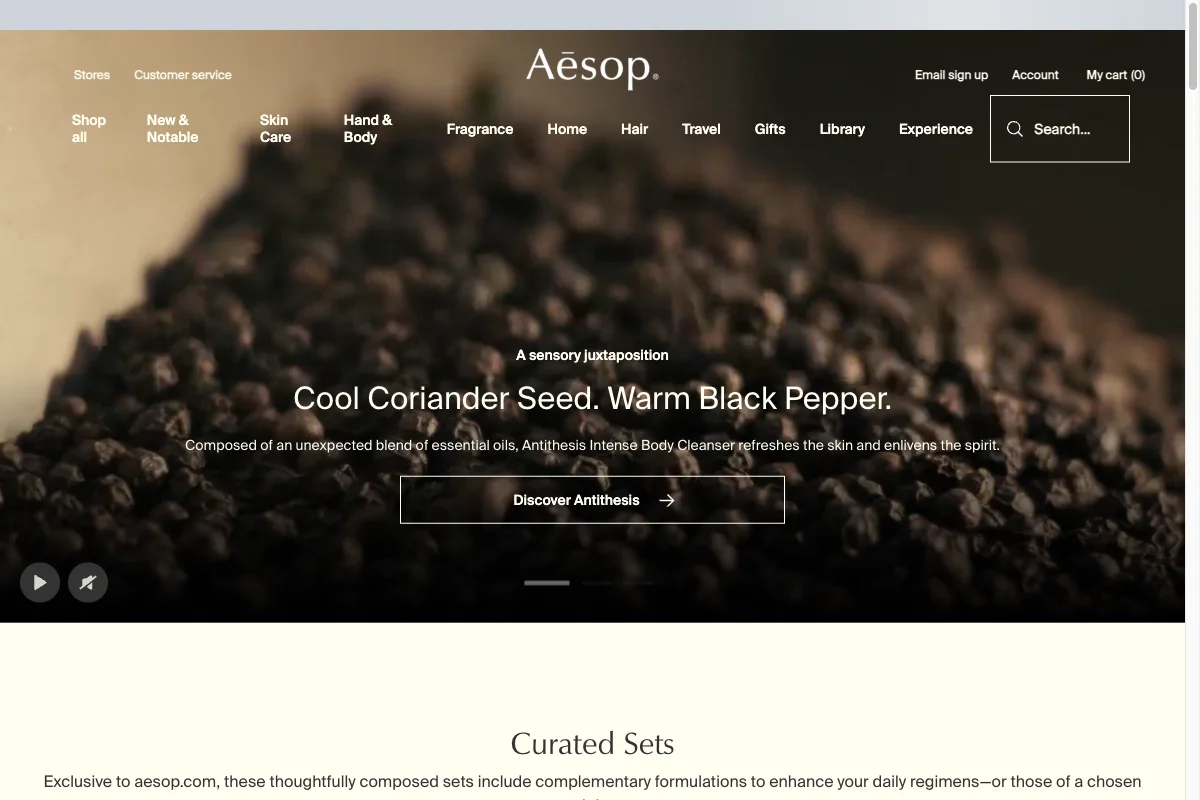
Suisse Int'l is a neo-grotesque sans-serif typeface designed by Ian Party and released by Swiss Typefaces in 2011 (originally issued as Suisse BP Int'l). Part of the larger Suisse superfamily — which includes Suisse Works (serif), Suisse Neue (a slab serif, or Egyptienne — a seriffed variant of Suisse Int'l), Suisse Screen (optimized for screens), and Suisse Mono — Suisse Int'l is the flagship face: a Helvetica-rooted neo-grotesque refined for contemporary editorial and branding work. Where Helvetica carries six decades of corporate and institutional baggage, Suisse Int'l resets the conversation, offering the same Swiss rationalism with cleaner proportions, better spacing, and a distinctly 21st-century temperament.
Suisse Int'l requires a paid license from Swiss Typefaces. Desktop, web, and app licenses are priced separately, with web licenses tiered by page views. There is no free tier or trial. If your budget cannot accommodate Swiss Typefaces' licensing structure, this page covers the best open-source alternatives and what to evaluate when choosing one.
Why Suisse Int'l Matters
Suisse Int'l occupies a specific and influential position in contemporary type: it is the typeface editorial designers and architects reach for when they want Helvetica's structural clarity without its ubiquity. While Helvetica signals "we didn't think about typography" in most contexts (because it has been the default for so long), Suisse Int'l signals "we thought about typography and chose restraint."
What separates the two is not a loud gesture but an accumulation of quiet corrections. Suisse Int'l's apertures open a little wider, so the c and e breathe where Helvetica's tend to curl shut. Its spacing runs slightly looser, which keeps text columns from locking up the way a dense Helvetica setting can. The result reads as marginally warmer and more refined without ever tipping into personality. That balance is difficult to strike, and it is why designers describe Suisse Int'l as Helvetica's more considered sibling rather than a wholesale replacement for it.
This distinction matters. Aesop leans on Suisse Int'l across its website body and interface typography, building an editorial-meets-retail identity — clean enough for product grids, characterful enough for longform cultural storytelling. 100 Thieves folded it into its 2022 rebrand, using it for product copy and site footers to reinforce a minimal, considered aesthetic. Editorial and cultural institutions reach for it too: GQ Mexico set it as a supporting typeface on magazine covers in the early 2020s, and the Metropolitan Museum of Art has drawn on it for exhibition identity and wayfinding, where neutral precision has to coexist with a curatorial voice.
The Suisse superfamily amplifies this utility. Suisse Works provides a serif companion for editorial contrast. Suisse Neue is a slab serif — an Egyptienne that adds squared serifs to the Suisse Int'l skeleton for a firmer, more editorial voice. Suisse Screen optimizes for digital rendering. This ecosystem means a single license relationship covers an entire brand's typographic needs — a practical advantage that open-source alternatives cannot replicate.
Swiss Typefaces, based in Lausanne, has built a reputation for typefaces that honor Swiss typographic tradition while avoiding nostalgia. Suisse Int'l is their clearest statement of this philosophy.
Design Characteristics
Suisse Int'l's design choices position it precisely between historical Swiss grotesques and their contemporary reinterpretations. It is neither a faithful revival nor a radical departure. Each decision nudges the neo-grotesque model a fraction toward legibility and warmth while preserving the rational, even-tempered character that defines the tradition:
- Moderate x-height with balanced ascenders: Unlike the exaggerated x-heights of screen-first fonts like Inter, Suisse Int'l maintains classical proportions that perform equally well in print editorial and digital contexts
- Open but controlled apertures: The
c,e,s, andahave generous counter openings — more open than Helvetica, less aggressive than Aktiv Grotesk — ensuring legibility without losing typographic density - Flat-sided curves with subtle tension: Bowls in
b,d,p,qfeature the characteristic grotesque flattening, but with a gentle tension that keeps letterforms from feeling purely mechanical - Minimal stroke contrast: Nearly monoline strokes create even typographic color across paragraphs, essential for the dense text columns typical of editorial design
- Horizontal terminals: Clean, horizontal stroke endings give Suisse Int'l its calm, controlled personality — a signature of the Swiss approach
- Clean junctions for small sizes: Stroke junctions are kept open rather than allowed to clot, which keeps counters legible at continuous text sizes in print
- Broad width and weight range: Available in Regular and Condensed widths, with weights from Hairline to Black, plus matching italics
Taken together, these details explain why Suisse Int'l can stand in for Helvetica in a specimen yet feel calmer and more contemporary in use. Helvetica's tight fit and closed apertures were tuned for the poster and the metal-set headline. Suisse Int'l keeps the same skeleton but relaxes it just enough for the continuous text and mixed print-and-screen work that defines modern editorial design. None of the differences shout. Set a single word and you might not notice them. Set a full page and the shift in temperature becomes obvious.
Where Suisse Int'l Excels
Suisse Int'l is at its best in contexts that demand refined neutrality:
- Editorial publications: The even typographic color and classical proportions handle long-form text and complex layouts with authority
- Architecture and design studios: Its precision mirrors the discipline of architectural practice without resorting to the overworked Helvetica
- Fashion and luxury branding: Suisse Int'l reads as sophisticated and intentional in fashion contexts where Helvetica would feel dated
- Cultural institutions: Museums, galleries, and foundations use it for exhibition materials and publications where neutrality must coexist with curatorial intelligence
- Corporate identity systems: The superfamily's breadth supports complex brand hierarchies from business cards to annual reports
The common thread across these uses is an audience that reads type fluently. Fashion houses, galleries, and design studios gravitate to Suisse Int'l precisely because their audiences can tell the difference between a considered neutral and a default one. In a lookbook, an exhibition catalog, or a studio's project documentation, the typeface communicates discipline and self-awareness before a single word is read. It is telling that Suisse Int'l spread through the design world largely by reputation rather than marketing: art directors saw it working in other studios' output and reached for it themselves.
Where Suisse Int'l Struggles
Suisse Int'l is not universally optimal:
- Warm or playful brands: Its Swiss restraint reads as cold and inaccessible for brands targeting families, children, or casual consumer audiences
- High-density UI at small sizes: While well-crafted for print, Suisse Int'l lacks the aggressive screen hinting and optical sizing of fonts engineered specifically for digital-first products like Inter
- Projects requiring Greek, CJK, or a variable font: Suisse Int'l covers Latin, Latin Extended, Cyrillic, and Arabic, but Greek and CJK scripts fall outside its range, and it ships only as static files. Multilingual work in those scripts — or teams that want variable-font flexibility, which Inter provides — need fallback strategies
- Budget-constrained teams: The per-project licensing adds up quickly when you need multiple widths and weights across desktop, web, and app
There is also a subtler cost that comes with success. Suisse Int'l has become so common in design-forward branding, fashion, and cultural work that it now carries its own kind of familiarity. Within design circles it can read as the safe, expected choice, a little like reaching for Helvetica was in an earlier decade. A neutral typeface only signals intentionality while it stays relatively uncommon. Once everyone in a field is using it, the same neutrality starts to read as generic rather than considered, and brands trying to stand out from other design-literate competitors sometimes find that Suisse Int'l no longer does the differentiating work they hoped for.
The licensing structure compounds the problem. Swiss Typefaces prices desktop, web, and app use separately, and a full identity system usually needs several widths and weights across all three. For a small studio or an early-stage brand, the total can rival the cost of the design work itself, which is a large part of why capable free neo-grotesques have become such a common substitute.
How to Choose a Free Substitute
When evaluating Suisse Int'l replacements, focus on these criteria:
- Proportions and spacing rhythm: Suisse Int'l's moderate x-height and carefully tuned letter-spacing are its most recognizable features. Test your alternative in an editorial context — a magazine spread or a content-heavy webpage — and check whether the reading rhythm feels similarly calm and controlled
- Weight range and distribution: Suisse Int'l ships in a comprehensive range from Hairline to Black. Your alternative needs at least Light, Regular, Medium, SemiBold, and Bold to replicate common editorial hierarchies
- Typographic color: Set a full paragraph in both typefaces at 10pt and 16px. Suisse Int'l produces very even color without light or dark patches. This is the hardest quality to match
- Print fidelity: If your project includes print, verify that your alternative performs at 9-10pt in continuous text. Many free fonts optimized for screen lose definition at small print sizes
- Personality calibration: The critical question is whether your alternative feels intentionally neutral or merely generic. Suisse Int'l's value is partly positional — it signals design literacy. Inter conveys this; system fonts do not
Once you have a feel for those criteria, the choice among the free alternatives on this page comes down mostly to where the type will live:
- Digital product and editorial web → Inter. The closest overall match at 90%, with a variable family, optical sizing, and the Greek coverage that Suisse Int'l itself lacks. For most screen-first work this is the default recommendation.
- Editorial layouts that want a touch more warmth → Work Sans. It keeps the Swiss restraint but softens the terminals, which reads more comfortably across long stretches of body text.
- Startup and app branding → DM Sans. Its slightly rounder, more geometric bowls feel modern and approachable, a good fit when the audience is not exclusively design-literate.
- Multilingual and enterprise systems → Source Sans 3. Adobe's hinting and broad script support make it the safe choice when rendering has to hold up across older browsers and many languages.
- Closest Swiss heritage → Switzer. A contemporary Fontshare grotesque drawn in the same tradition, useful when you want the aesthetic lineage rather than a screen-tuned reinterpretation.
- Accessibility and public-sector work → Public Sans. Wider-set and deliberately plain, built to meet institutional accessibility standards where clarity outranks brand character.
- News and publishing → Libre Franklin. Its American-gothic pedigree brings the authoritative neutrality that suits editorial and corporate communications.
- Minimal branding with a Scandinavian feel → Familjen Grotesk. The narrower 400–700 range limits deep hierarchies, but its clean proportions suit contemporary identity and cultural work.
A practical rule mirrors the one for Helvetica: if you are chasing the exact Swiss heritage, favor Switzer or Inter; if you are starting fresh and the work lives on screen, choose by medium, because a screen-optimized grotesque will serve a digital product better than any face drawn primarily for print.
Premium Font Neighbors
If Suisse Int'l's approach resonates but you want to explore adjacent options:
Cluster A: Swiss neo-grotesques (Suisse's direct competitors)
- Akkurat (Lineto) — Laurenz Brunner's influential grotesque; slightly warmer and more geometric than Suisse
- Graphik (Commercial Type) — the pre-Söhne default for tech companies; more humanist warmth than Suisse
- Haas Unica (Monotype) — the legendary Helvetica-Univers hybrid; closer to Suisse's historical roots
- Söhne (Klim Type Foundry) — Kris Sowersby's "memory of Helvetica"; more tech-focused than Suisse
Cluster B: Editorial and branding grotesques
- Replica (Lineto) — stripped-down, almost brutalist grotesque for conceptual design
- Neue Montreal (Pangram Pangram) — popular in startup and creative branding; more expressive than Suisse
- Basis Grotesque (Colophon Foundry) — compact, efficient grotesque with similar editorial DNA
FAQ
Is Suisse Int'l free?
No. Suisse Int'l is a premium typeface from Swiss Typefaces with per-project licensing. Desktop licenses are priced per style, and web licenses are tiered by monthly page views. There is no free or trial version available.
What is the best free alternative to Suisse Int'l?
Inter is the closest free alternative at 90% similarity. Both share a tall x-height, open apertures, and neo-grotesque construction. Inter adds variable font support, broader language coverage (including Greek, which Suisse lacks), and optical sizing — features that make it a practical upgrade in some respects.
What is the difference between Suisse Int'l and Helvetica?
Both are Swiss neo-grotesques, but Suisse Int'l was designed in 2011 with contemporary editorial and digital use in mind. It has more open apertures, better spacing for continuous reading, and cleaner proportions at small sizes. Helvetica carries decades of institutional and corporate associations that Suisse avoids.
Is Suisse Int'l a variable font?
No. Suisse Int'l ships as static font files across its weight and width range. Most of its free alternatives (Inter, Work Sans, DM Sans) are available as variable fonts, which offers a web performance advantage.
What is the Suisse superfamily?
The Suisse superfamily includes Suisse Int'l (neo-grotesque sans), Suisse Works (serif), Suisse Neue (a slab serif, or Egyptienne), Suisse Screen (screen-optimized), and Suisse Int'l Mono (monospace). Each serves a different typographic role while sharing design DNA, making the system suitable for complex brand identities.
Who designed Suisse Int'l?
Ian Party, founder of Swiss Typefaces in Lausanne, Switzerland. Party's work is characterized by deep engagement with Swiss typographic tradition, reinterpreted for contemporary use. Swiss Typefaces has become one of the most respected independent foundries for editorial and branding type.
Does Suisse Int'l support Cyrillic?
Yes. Suisse Int'l covers Latin, Latin Extended, Cyrillic, and Arabic. The main gaps are Greek and CJK, and it does not ship as a variable font. For projects that need Greek or variable-font flexibility, Inter (Greek, variable) or Source Sans 3 (Greek, variable) are the standard open-source solutions that maintain a compatible aesthetic.
Why do editorial designers prefer Suisse Int'l over Helvetica?
Suisse Int'l reads as a conscious design choice rather than a default. Helvetica's ubiquity — on tax forms, subway signs, corporate memos — means it communicates "standard" rather than "designed." Suisse Int'l occupies the same structural territory but signals typographic intentionality, which matters in editorial, fashion, and cultural contexts where design literacy is part of the brand.
Is Suisse Int'l on Google Fonts?
No, Suisse Int'l is a premium font from Swiss Typefaces and is not available on Google Fonts.
The closest Google Fonts alternative is Inter with 90% similarity. Get it free on Google Fonts ↗
Free Alternatives (9)
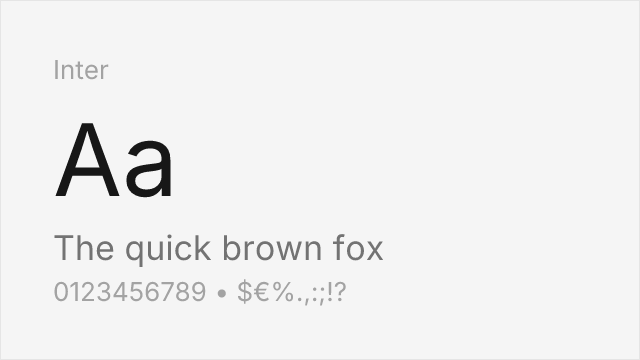
Closest overall match with exceptional screen rendering and full variable font support
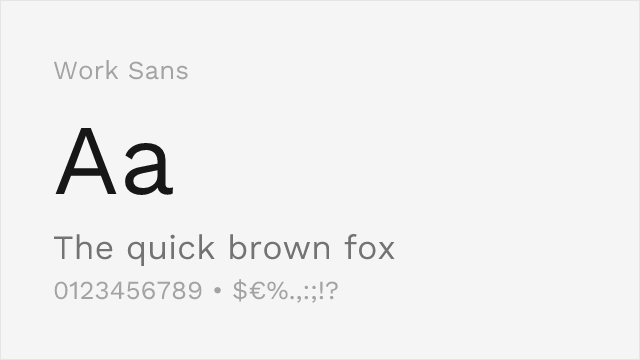
Mature editorial sans with comparable weight distribution and restrained character
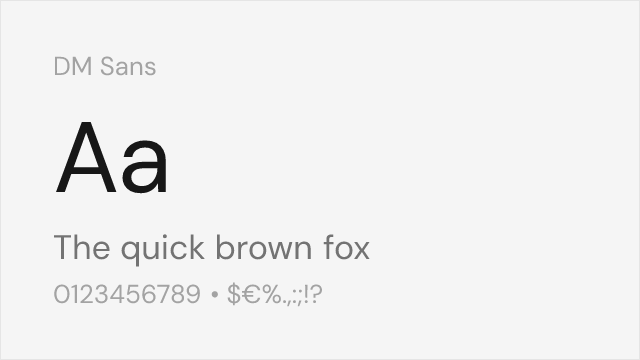
Geometric-leaning grotesque with clean, modern proportions
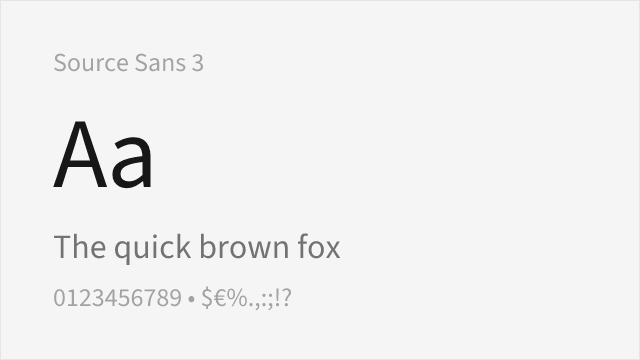
Adobe's workhorse sans with broad language support and strong hinting
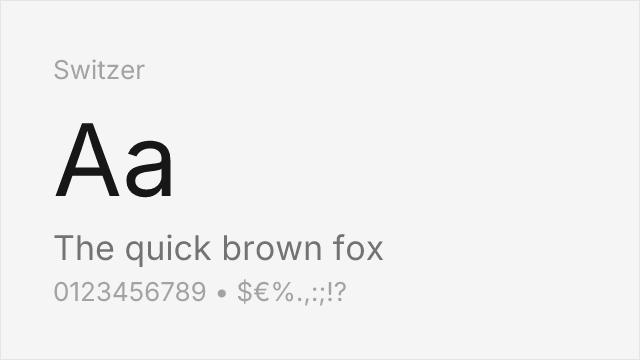
Swiss-style grotesque from Fontshare with similar heritage
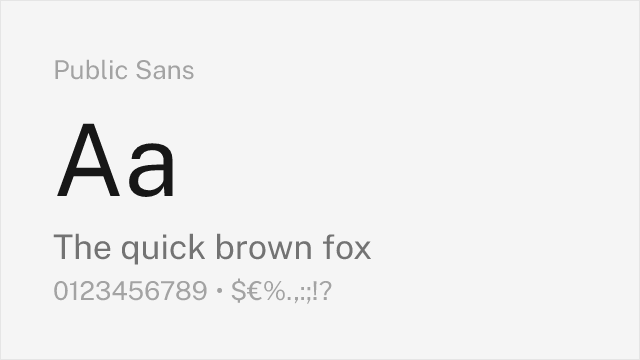
Government-grade neutrality with accessibility-first design
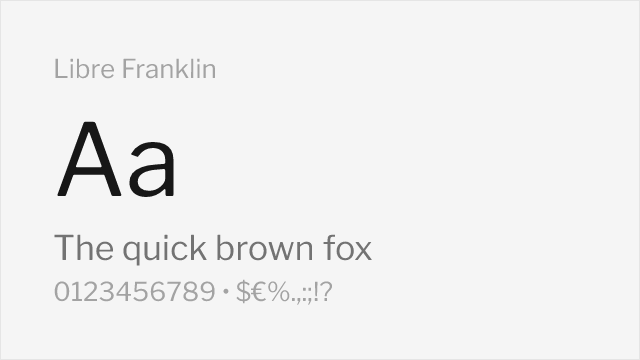
Faithful Franklin Gothic revival with strong editorial pedigree
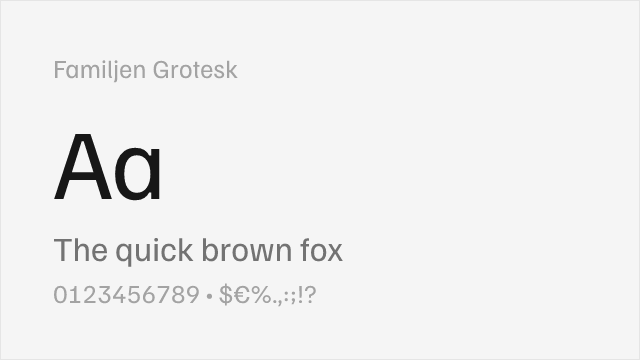
Swedish neo-grotesque with contemporary refinements for digital use
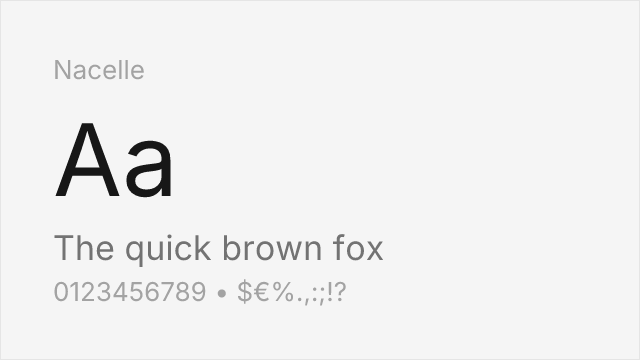
Compare the alternatives
See how Suisse Int'l compares to its top alternatives — and how those alternatives compare to each other — side by side.
See where Suisse Int'l is used in the wild and swap to free alternatives live.
Install FontSwap →Replacement Summary
Source: FontAlternatives.com
Premium font: Suisse Int'l
Best free alternative: Inter
FontAlternatives similarity score: 90%
Replacement difficulty: Low
Best for: editorial web layouts, design system foundations, content-heavy interfaces, Swiss-style digital design
Notable users: Aesop, 100 Thieves, GQ Mexico
Not recommended when: Brand consistency with Aesop requires exact letterforms
What is the best free alternative to Suisse Int'l?
Inter is the best free alternative to Suisse Int'l with a FontAlternatives similarity score of 90%.
Inter shares similar proportions, stroke characteristics, and intended use with Suisse Int'l. It is available under the OFL-1.1 license, which permits both personal and commercial use at no cost.
This alternative works particularly well for: editorial web layouts, design system foundations, content-heavy interfaces, Swiss-style digital design.
Can I safely replace Suisse Int'l with Inter?
Yes, Inter is a high-confidence replacement for Suisse Int'l. The FontAlternatives similarity score of 90% indicates strong structural compatibility.
Licensing: Inter is licensed under OFL-1.1, which allows commercial use without licensing fees or royalties.
Weight coverage: All 4 weights have exact matches available.
When should I NOT replace Suisse Int'l?
While Inter is a strong alternative, there are situations where replacing Suisse Int'l may not be appropriate:
- Extended language support: Inter has limited arabic support compared to Suisse Int'l.
- Strict compliance: Verify that OFL-1.1 terms meet your specific legal and compliance requirements.
Weight-Matching Guide
Map Suisse Int'l weights to their closest free alternatives for accurate font substitution.
Inter
| Suisse Int'l | Inter | Match |
|---|---|---|
| Thin (100) | Thin (100) | exact |
| Regular (400) | Regular (400) | exact |
| Medium (500) | Medium (500) | exact |
| Bold (700) | Bold (700) | exact |
Work Sans
| Suisse Int'l | Work Sans | Match |
|---|---|---|
| Light (300) | Light (300) | exact |
| Regular (400) | Regular (400) | exact |
| Medium (500) | Medium (500) | exact |
| Bold (700) | Bold (700) | close |
DM Sans
| Suisse Int'l | DM Sans | Match |
|---|---|---|
| Light (300) | Light (300) | close |
| Regular (400) | Regular (400) | close |
| Medium (500) | Medium (500) | close |
| Bold (700) | Bold (700) | close |
Source Sans 3
| Suisse Int'l | Source Sans 3 | Match |
|---|---|---|
| Light (300) | Light (300) | close |
| Regular (400) | Regular (400) | close |
| Medium (500) | Medium (500) | substitute |
| Bold (700) | Bold (700) | close |
Public Sans
| Suisse Int'l | Public Sans | Match |
|---|---|---|
| Light (300) | Light (300) | close |
| Regular (400) | Regular (400) | close |
| Medium (500) | Medium (500) | close |
| Bold (700) | Bold (700) | close |
Libre Franklin
| Suisse Int'l | Libre Franklin | Match |
|---|---|---|
| Light (300) | Light (300) | close |
| Regular (400) | Regular (400) | close |
| Medium (500) | Medium (500) | substitute |
| Bold (700) | Bold (700) | close |
Familjen Grotesk
| Suisse Int'l | Familjen Grotesk | Match |
|---|---|---|
| Regular (400) | Regular (400) | close |
| Medium (500) | Medium (500) | close |
| SemiBold (600) | SemiBold (600) | close |
| Bold (700) | Bold (700) | close |
Performance Guide
Production performance metrics for each alternative.
How to Use Inter
Copy these code snippets to quickly add Inter to your project.
CSS code for Inter
@import url('https://fonts.googleapis.com/css2?family=Inter:wght@100..900&display=swap');HTML code for Inter
<link rel="preconnect" href="https://fonts.googleapis.com">
<link rel="preconnect" href="https://fonts.gstatic.com" crossorigin>
<link href="https://fonts.googleapis.com/css2?family=Inter:wght@100..900&display=swap" rel="stylesheet">
Tailwind code for Inter
// tailwind.config.js
module.exports = {
  theme: {
    extend: {
      fontFamily: {
        'inter': ['Inter', 'sans-serif'],
      },
    },
  },
}

// Usage in HTML:
// <p class="font-inter">Your text here</p>
Next.js code for Inter
// Using next/font (Next.js 13+)
import { Inter } from 'next/font/google';

const inter = Inter({
  subsets: ['latin'],
  weight: ['100', '200', '300', '400', '500', '600', '700', '800', '900'],
});

export default function Component() {
  return (
    <p className={inter.className}>
      Your text here
    </p>
  );
}

// Or using inline styles with Google Fonts link:
// <p style={{ fontFamily: "'Inter'" }}>Your text</p>
Expo and React Native code for Inter
// Install: npx expo install @expo-google-fonts/inter expo-font
import { useFonts, Inter_400Regular } from '@expo-google-fonts/inter';

export default function App() {
  const [fontsLoaded] = useFonts({
    Inter_400Regular,
  });

  if (!fontsLoaded) return null;

  return (
    <Text style={{ fontFamily: 'Inter_400Regular' }}>
      Your text here
    </Text>
  );
}
Recommended Font Pairings
These free fonts pair well with Inter Suisse Int'l for headlines, body text, or accent use.
Literata's warm, contemporary serifs balance Suisse Int'l's clinical precision for editorial layouts that need reading comfort alongside modern UI elements — both share an editorial-first design philosophy
Playfair Display's high-contrast transitional serifs create dramatic editorial contrast against Suisse Int'l's restrained grotesque forms, a classic luxury-editorial pairing for fashion and cultural publications
Libre Caslon Text's sturdy, readable serifs provide warm body-text contrast to Suisse Int'l's clean sans-serif headlines, echoing the traditional editorial pairings of Swiss design
Browse Alternatives by Context
Find Suisse Int'l alternatives filtered by specific use case, style, or language support.
By Style
By Script
Frequently Asked Questions
What is the best free alternative to Suisse Int'l?
Inter is the best free alternative to Suisse Int'l with a FontAlternatives similarity score of 90%. It shares similar proportions and characteristics while being available under the OFL-1.1 license for both personal and commercial use at no cost.
Is there a free version of Suisse Int'l?
There is no official free version of Suisse Int'l. However, Inter is available under the OFL-1.1 open-source license and achieves a FontAlternatives similarity score of 90%. It includes variable weights and supports latin, latin-extended.
What Google Font looks like Suisse Int'l?
The Google Fonts most similar to Suisse Int'l are Inter, Work Sans, DM Sans. Among these alternatives, Inter offers the closest match with a FontAlternatives similarity score of 90% and includes variable weights for flexible typography options.
Can I use Inter commercially?
Yes, Inter can be used commercially. It is licensed under OFL-1.1, which allows free use in websites, applications, print materials, and commercial projects without purchasing a license or paying royalties.
Is Inter similar enough to Suisse Int'l?
Inter achieves a FontAlternatives similarity score of 90% compared to Suisse Int'l. While not identical, it offers comparable letterforms, proportions, and visual style. Most designers find it works excellently as a substitute in web and print projects.
What are the main differences between Suisse Int'l and its free alternatives?
Free alternatives to Suisse Int'l may differ in subtle details like letter spacing, curve refinements, and available weights. Premium fonts typically include more OpenType features, extended language support, and optimized screen rendering. However, for most projects, these differences are negligible.
Where can I download free alternatives to Suisse Int'l?
Download Inter directly from Google Fonts. Click the "Get Font" button on any alternative listed above to visit the official download page. Google Fonts also provides convenient embed codes for seamless web integration.