 Install FontSwap
Calligraphic Fonts
Typefaces that reflect the art of formal penmanship, with fluid strokes, deliberate contrast, and pen-drawn aesthetics. Used for invitations, luxury branding, and ceremonial documents.
Calligraphic typefaces preserve the deliberate, skilled strokes of formal penmanship — the art of beautiful writing practiced for centuries across cultures. Unlike casual handwritten fonts, calligraphic designs reflect trained technique: controlled stroke modulation, consistent letter spacing, rhythmic baseline alignment, and the distinct thick-thin contrast produced by broad-edged or pointed pen instruments.
Scribal Traditions
Calligraphic type draws from multiple historical writing traditions. Western calligraphy traces to Roman square capitals and the uncial scripts of early medieval manuscripts, evolving through Carolingian minuscule, Gothic textura, and the Renaissance Italic hands that became the basis for modern italic type. The pointed pen tradition, developed in 17th-century Europe, introduced the dramatic swell-and-hairline contrast seen in Copperplate and Spencerian scripts — styles that still dominate formal Western calligraphy. In parallel, East Asian calligraphy developed entirely different aesthetic principles based on the brush, emphasizing dynamic energy (qi) and the balance between filled and empty space. Arabic calligraphy evolved its own sophisticated tradition, with styles like Naskh, Thuluth, and Nastaliq each serving specific textual and decorative purposes. Modern calligraphic typefaces typically reference one of these traditions, though cross-cultural influences are increasingly common.
Cultural Variations
Calligraphic aesthetics vary dramatically across writing systems and cultural contexts. A calligraphic font for Latin script audiences might feature flowing Copperplate-style swashes, while the same concept executed for Arabic audiences would emphasize the flowing horizontal movement and diacritical ornamentation of Naskh or Diwani scripts. Japanese calligraphic fonts (based on Shodo brush traditions) emphasize dynamic energy and asymmetric balance. Indian scripts like Devanagari have their own calligraphic traditions that shape how formal and informal register is expressed typographically. Designers working across cultures should understand that "calligraphic" does not have a universal visual definition — the perceived elegance and formality of a calligraphic font is culturally specific.
Design Principles
Successful calligraphic typefaces balance authentic pen logic with typographic utility. The letterforms should reflect a real or plausible writing instrument — the stroke variation, entry/exit angles, and connection points should be consistent with how a specific pen would actually produce those marks. Inconsistencies in this logic (a letter that implies a broad-nib pen next to one that implies a pointed pen) break the illusion of handcraft. Spacing is critical: calligraphic fonts need generous metrics to prevent swashes and flourishes from colliding, and kerning must account for decorative extensions. The best calligraphic designs include contextual alternates that vary flourishes based on letter position (initial, medial, final) to prevent the mechanical repetition that undermines the handcrafted appearance.
When to Use
Calligraphic typefaces are appropriate for wedding invitations, formal certificates, luxury brand identities, editorial drop caps, religious texts, and cultural events celebrating penmanship traditions. They work best as display type at large sizes where their stroke details are visible. Pair calligraphic fonts with restrained serif or sans-serif body text — the calligraphic face provides ceremony and elegance, while the body type ensures readability.
Premium Calligraphic Fonts


Free Calligraphic Fonts
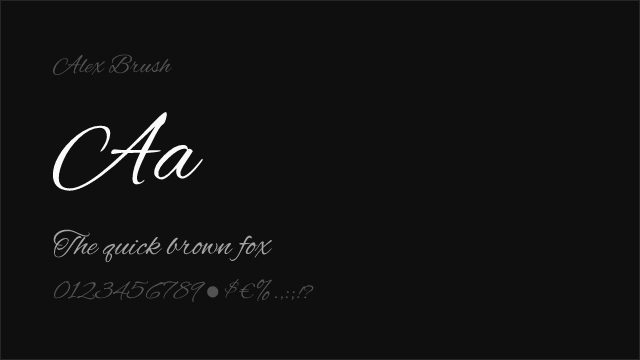
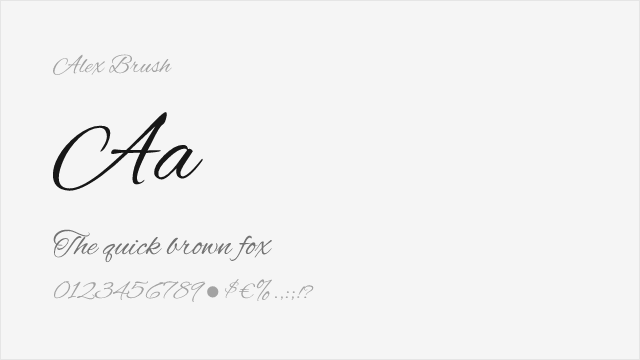
Alex Brush Free
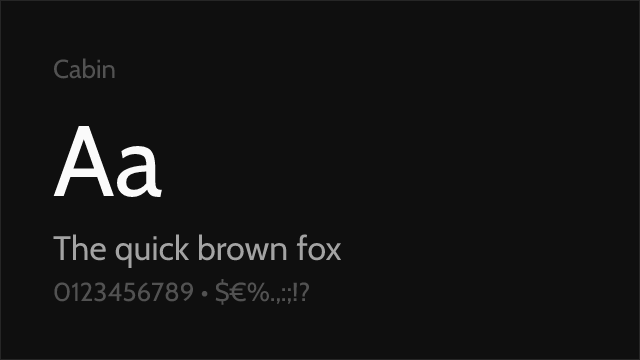
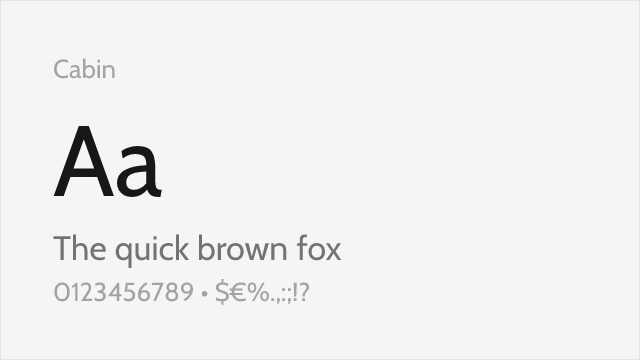
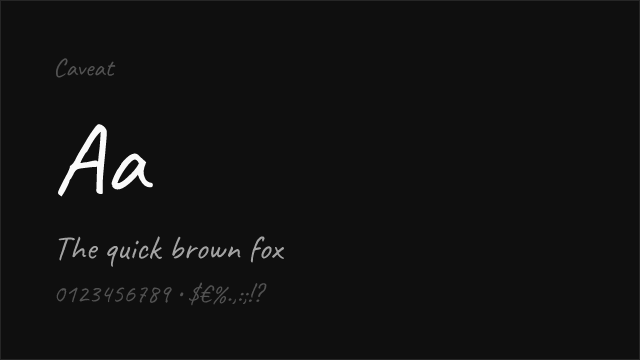
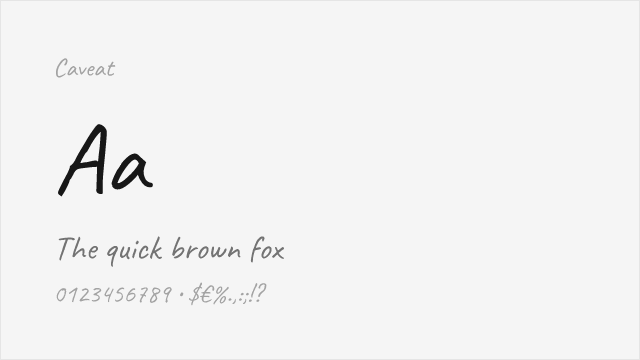
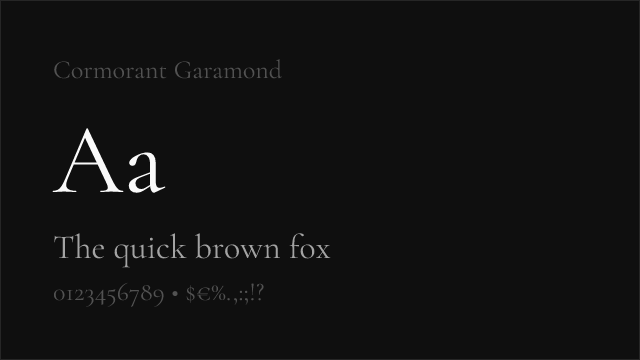
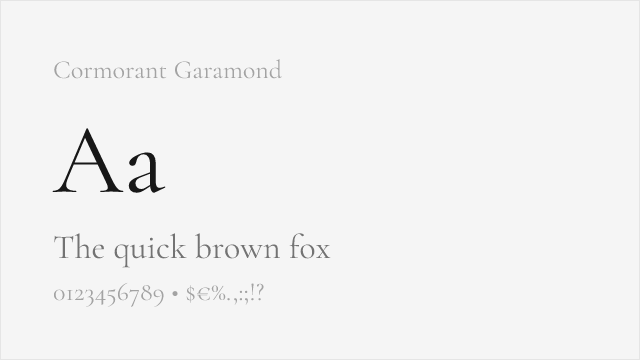
Cormorant Garamond Free
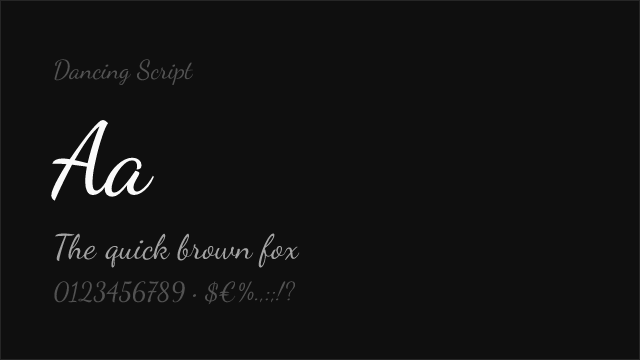
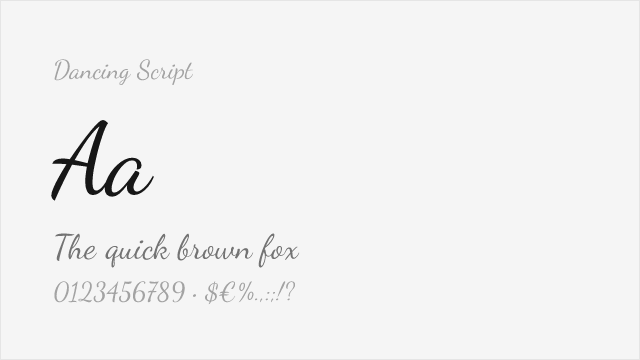
Dancing Script Free Variable
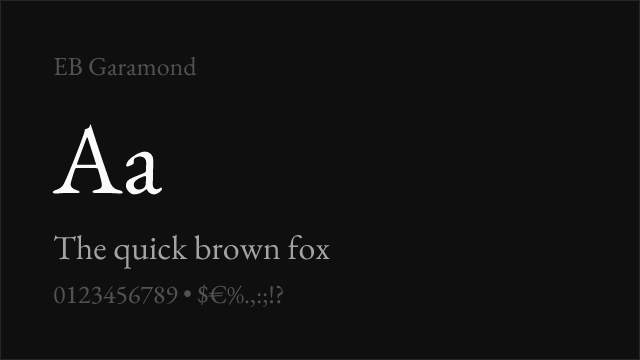
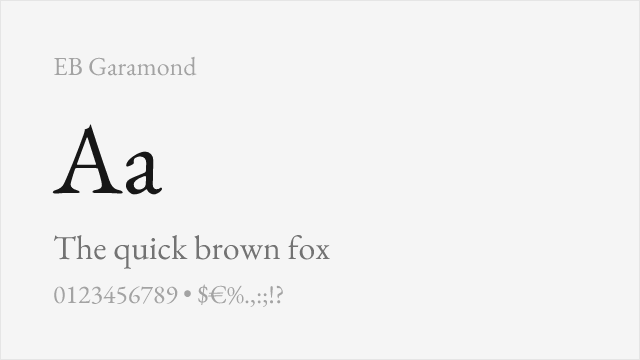
EB Garamond Free Variable
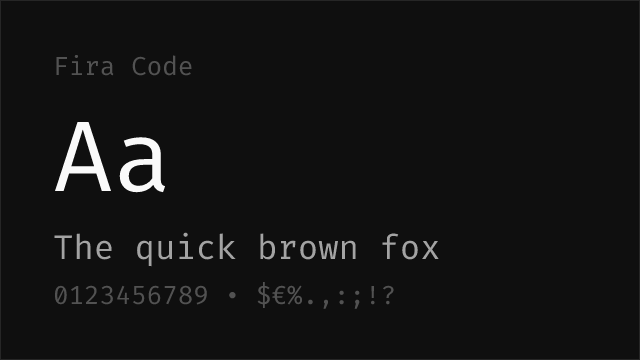
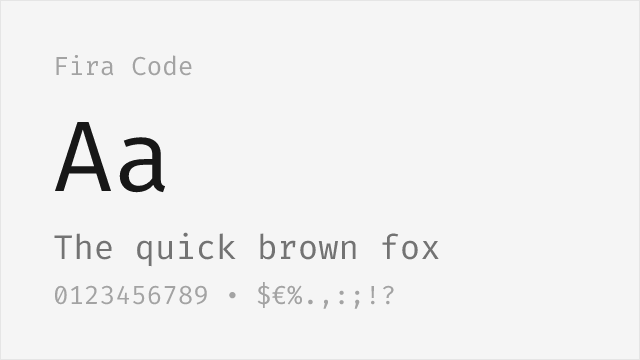
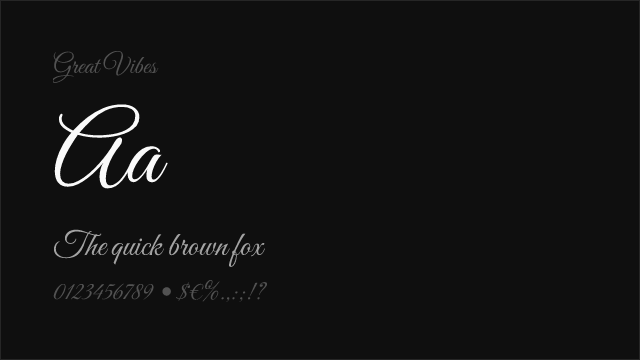
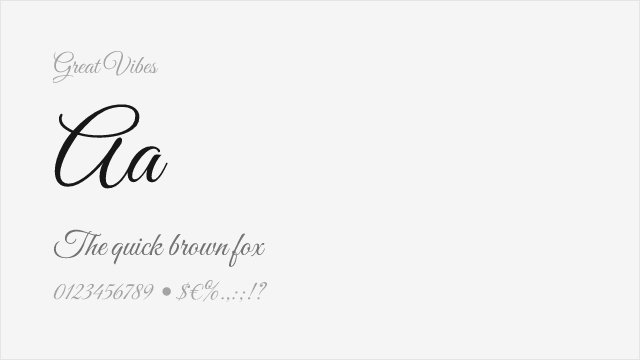
Great Vibes Free
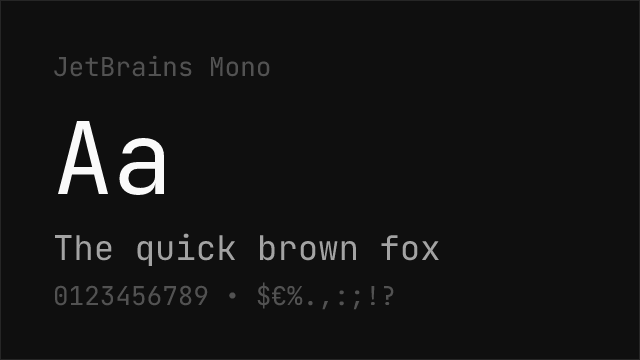
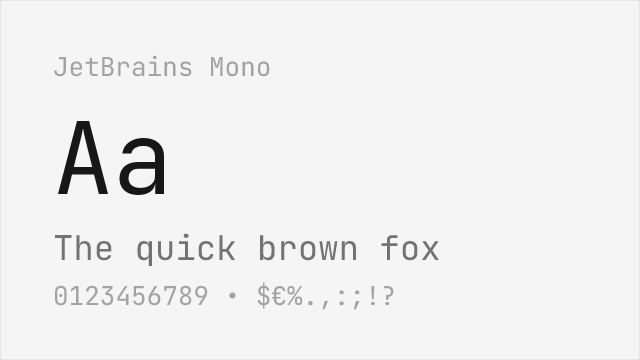
JetBrains Mono Free Variable
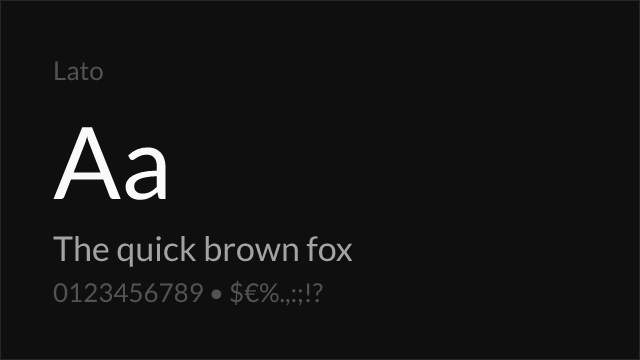
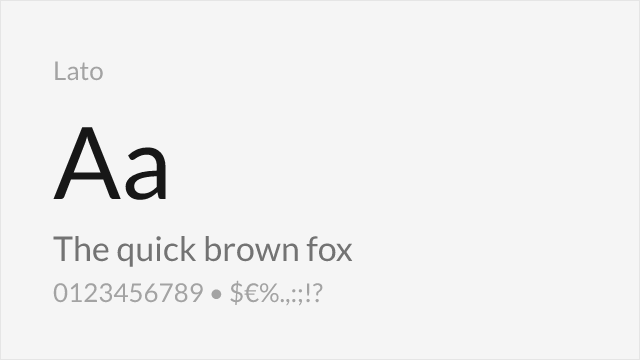
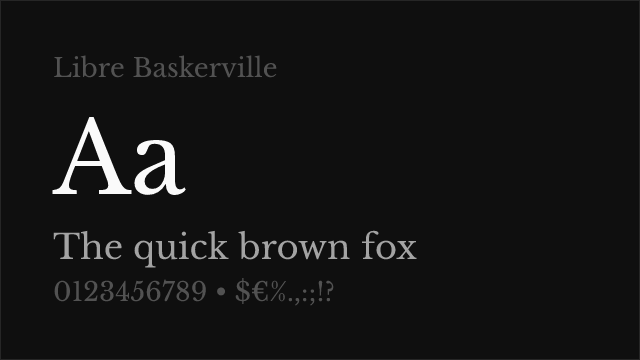
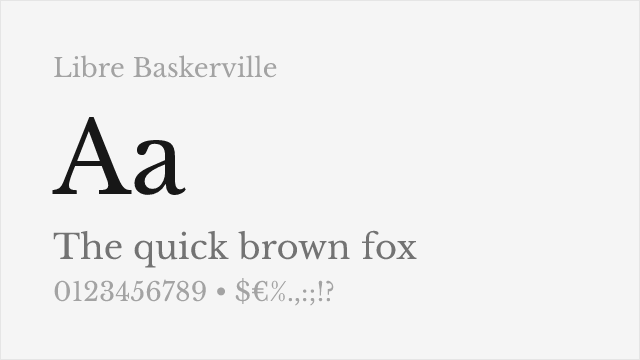
Libre Baskerville Free
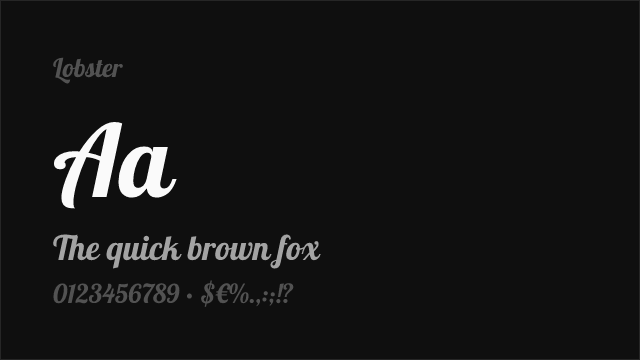
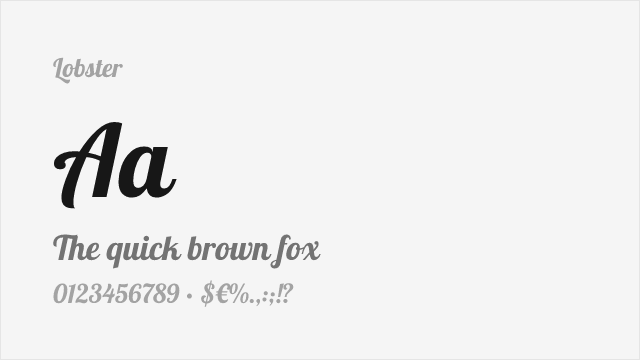
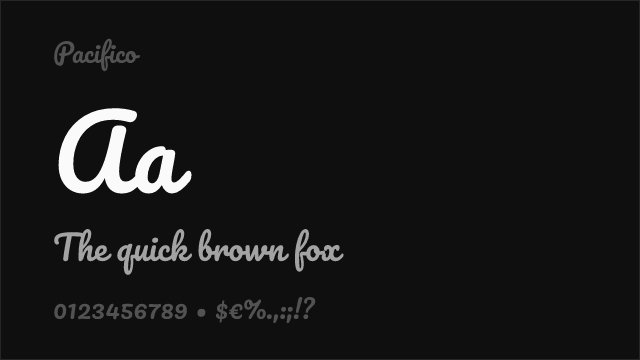
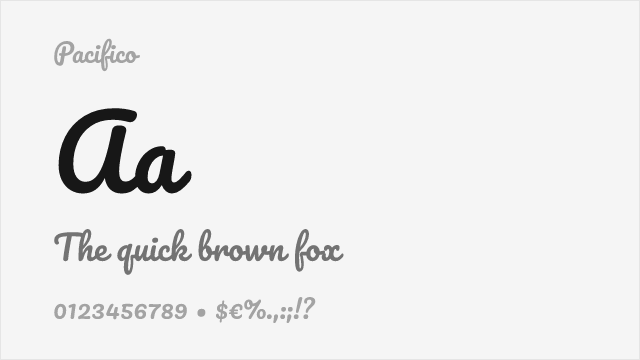
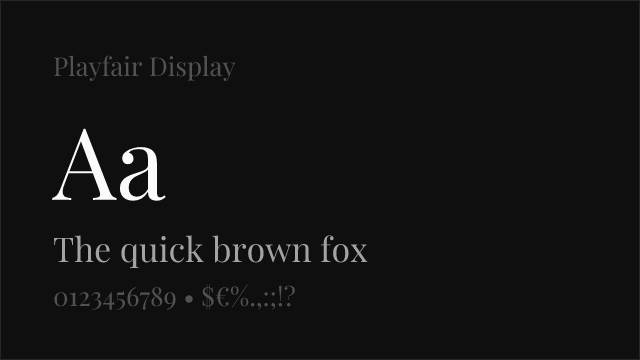
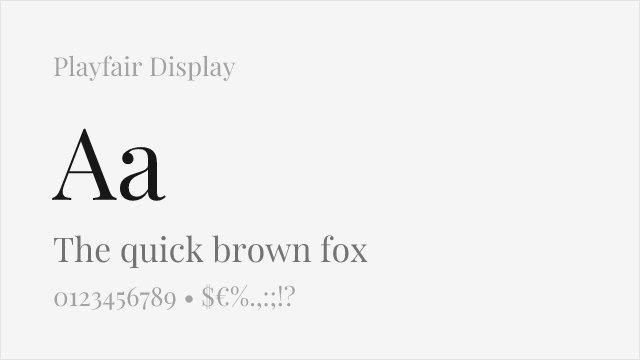
Playfair Display Free Variable
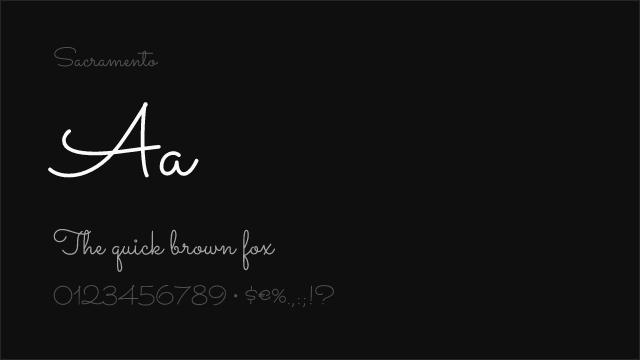
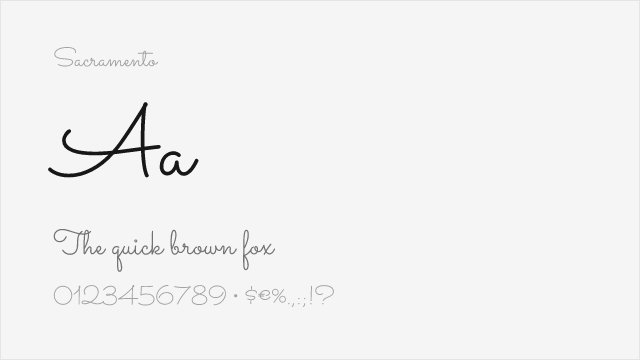
Sacramento Free
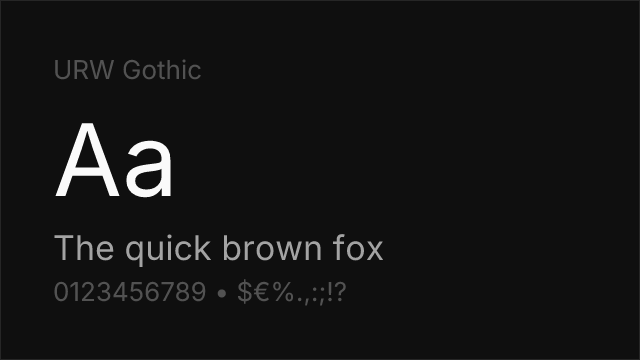
URW Gothic Free
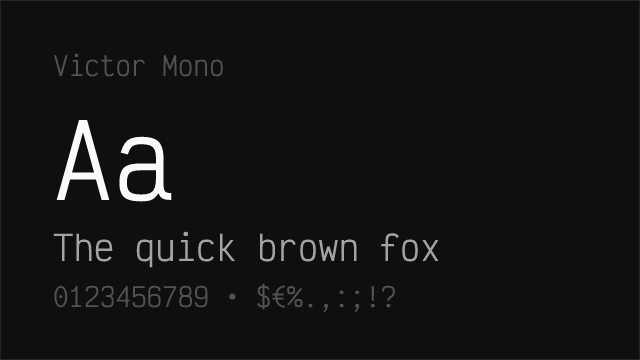
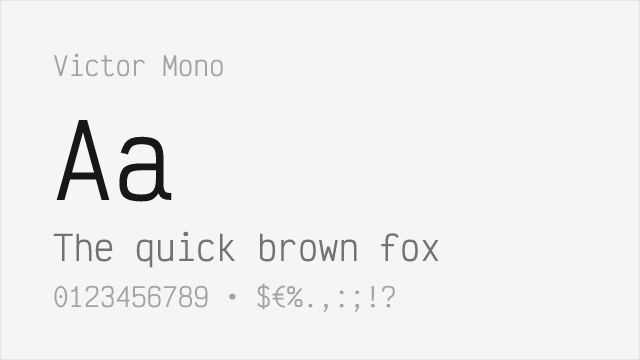
Victor Mono Free Variable
No fonts found with this filter.