 Install FontSwap
Transitional Fonts
Serif typefaces bridging Old Style and Modern designs, with increased stroke contrast, vertical stress, and refined serifs. Transitional fonts offer a balanced blend of tradition and precision.
Transitional typefaces represent the typographic bridge between the organic, calligraphic Old Style designs of the Renaissance and the sharp, rationalized Modern (Didone) faces of the late 18th century. Pioneered by John Baskerville in the 1750s, transitional designs brought greater precision and contrast to serif typography while retaining enough warmth to remain highly readable.
The Baskerville Era
John Baskerville of Birmingham was an unlikely typographic revolutionary — a japanner and writing master who turned to printing in his forties. His typeface, first used in his 1757 edition of Virgil, departed from the prevailing Caslon style by introducing sharper serifs, more vertical stress, and greater stroke contrast. Baskerville also innovated in printing technology, developing smoother paper (wove paper) and improved inks that could reproduce his typeface's refined details. His contemporary William Caslon dismissed the new design, but Continental printers recognized its significance: Baskerville's ideas directly influenced Giambattista Bodoni and the Didot family, who pushed the transition further toward the stark contrast of Modern serif design.
Design Principles
Transitional typefaces occupy a precise position on the contrast spectrum. Their stress axis is nearly vertical (unlike the diagonal stress of Old Style), and their stroke contrast is moderate — noticeably more than Old Style but restrained compared to Didone faces. Serifs are bracketed but thinner and sharper than their predecessors. The key design principle is balance: transitional faces aim for the sweet spot where refined precision enhances readability rather than undermining it. This makes them forgiving across a wide range of sizes and contexts — they remain crisp in headlines while staying comfortable in body text, a versatility that neither Old Style nor Modern serifs fully achieve.
Famous Examples
Baskerville remains the archetypal transitional typeface, and its revivals (Mrs Eaves, Libre Baskerville) are among the most widely used serif faces today. Times New Roman, designed by Stanley Morison and Victor Lardent in 1931 for The Times of London, is arguably the most recognized transitional design — though its narrow proportions and large x-height represent a pragmatic departure from Baskerville's generous spacing. Georgia, Matthew Carter's 1993 screen serif, applied transitional principles to the constraints of early bitmap rendering, becoming one of the first typefaces designed specifically for digital screens. Charter, also by Carter, took a similar approach with even more aggressive screen optimization.
When to Use
Transitional typefaces are versatile workhorses suited to books, magazines, academic papers, and corporate communications. Their balanced proportions and clear letterforms make them excellent for both print and screen. They project authority and competence without the severity of Modern serifs, making them popular choices for law firms, financial institutions, and university publications.
Premium Transitional Fonts


Free Transitional Fonts
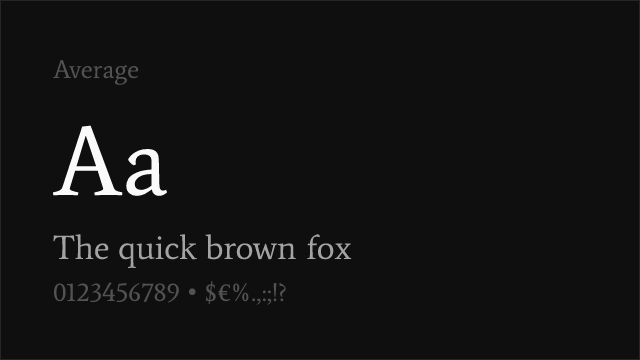
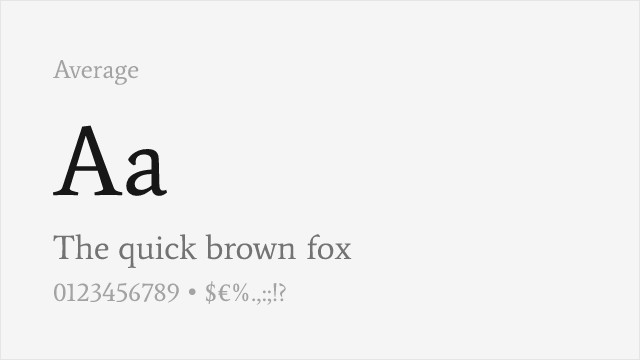
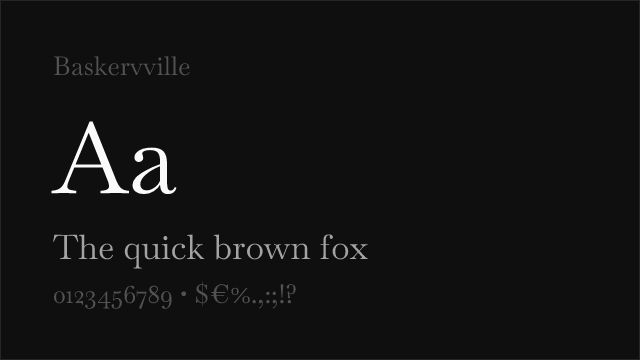
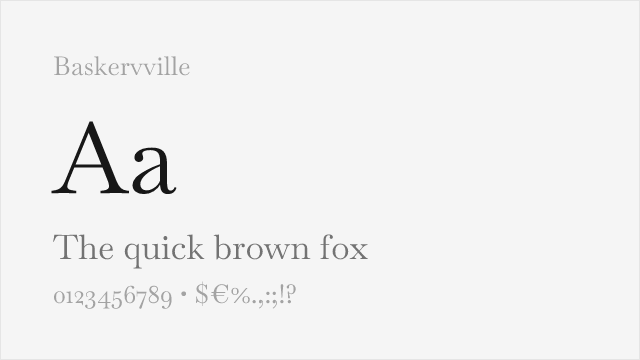
Baskervville Free
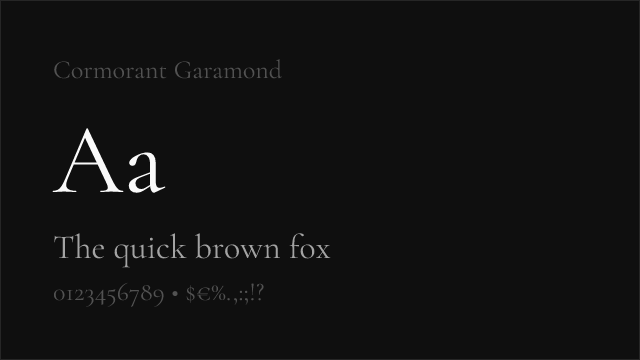
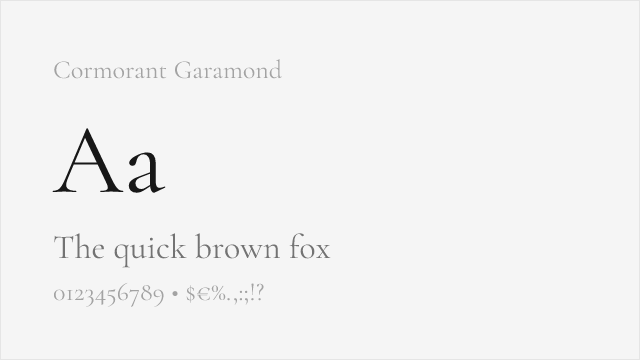
Cormorant Garamond Free
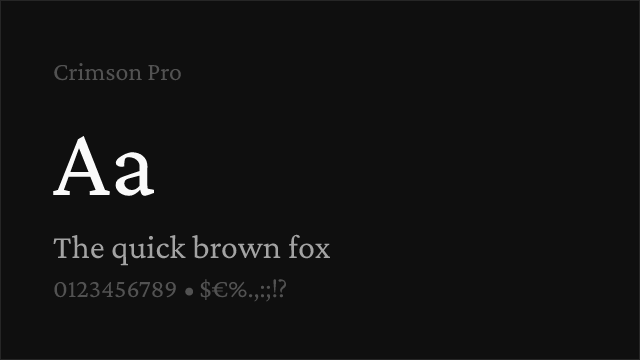
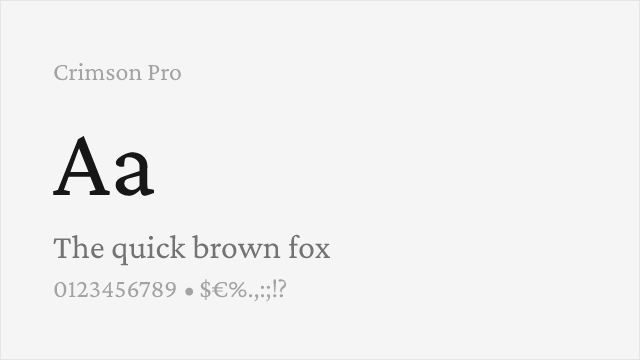
Crimson Pro Free Variable
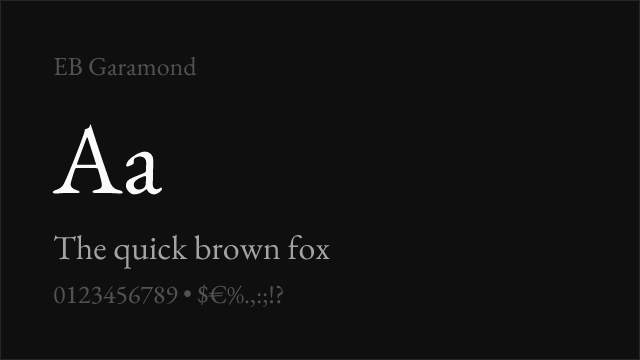
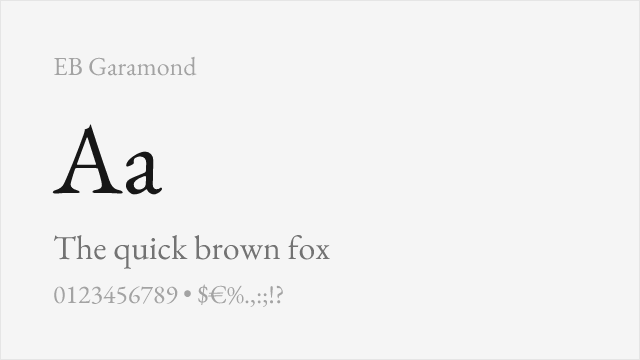
EB Garamond Free Variable
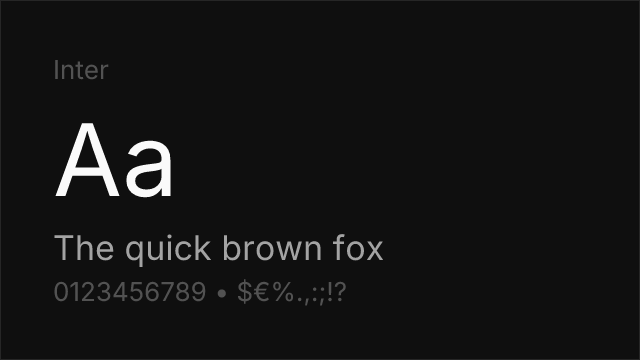
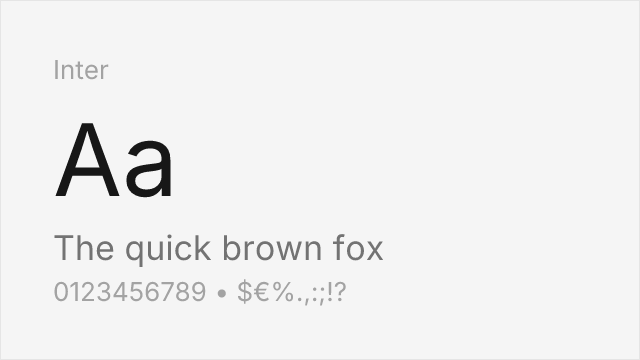
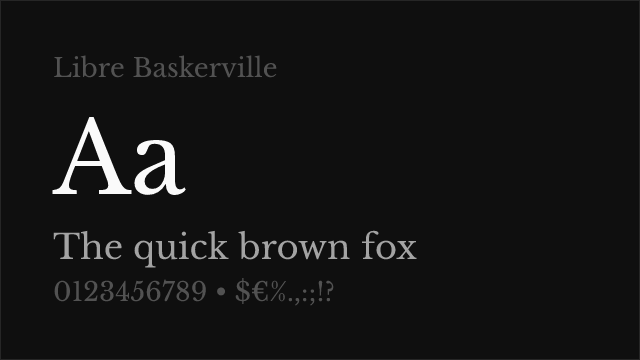
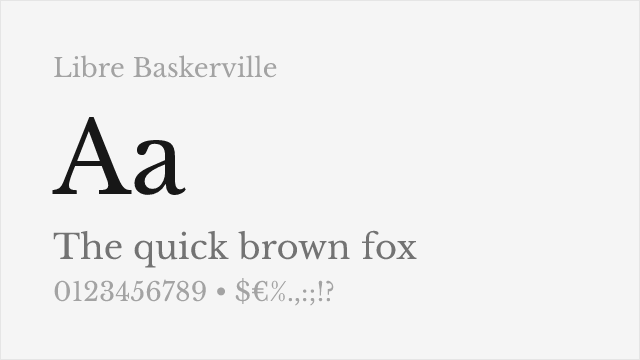
Libre Baskerville Free
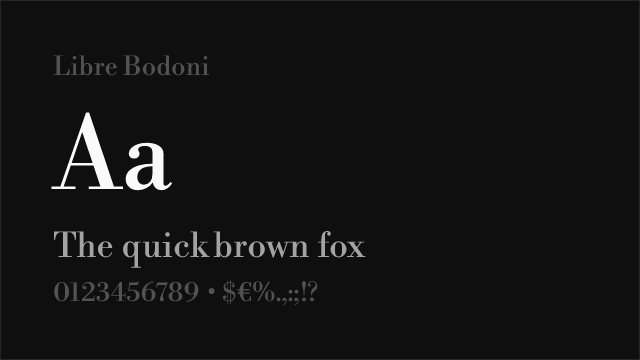
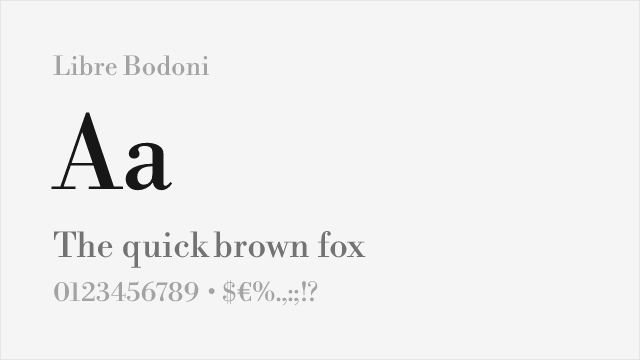
Libre Bodoni Free Variable
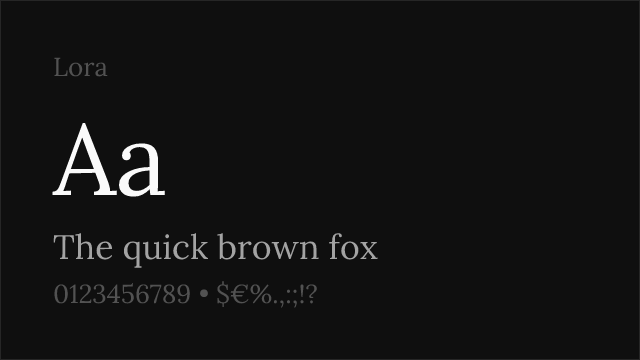
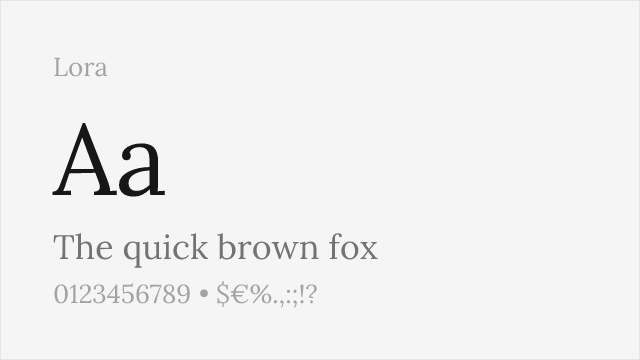
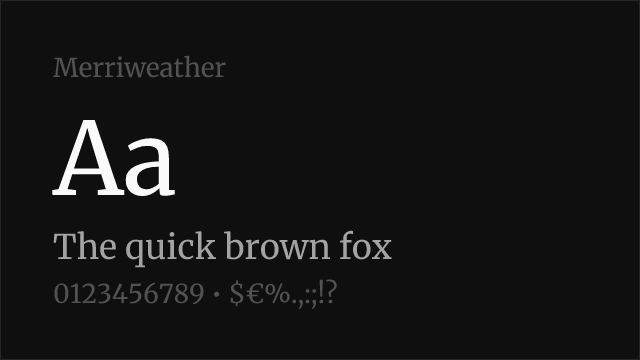
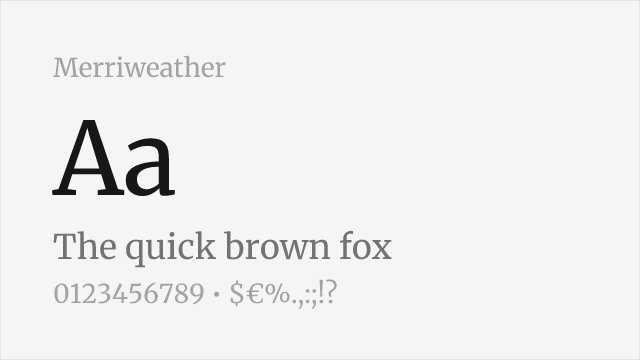
Merriweather Free
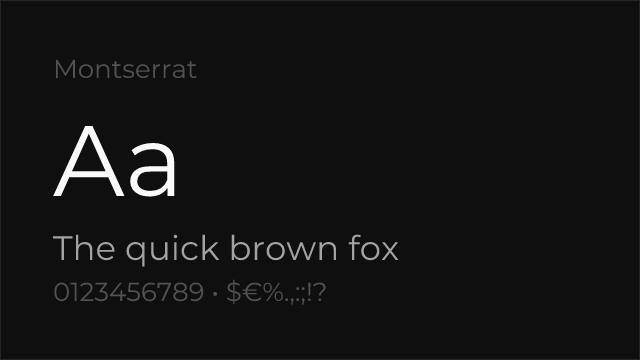
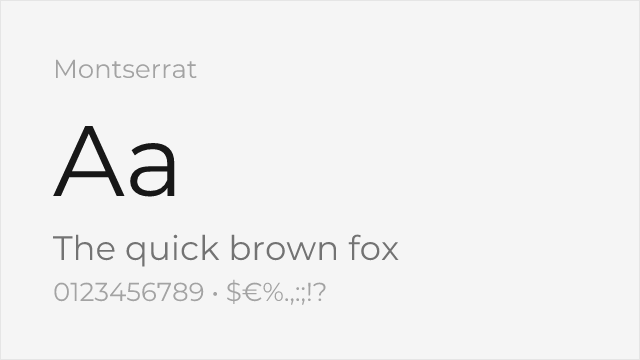
Montserrat Free Variable
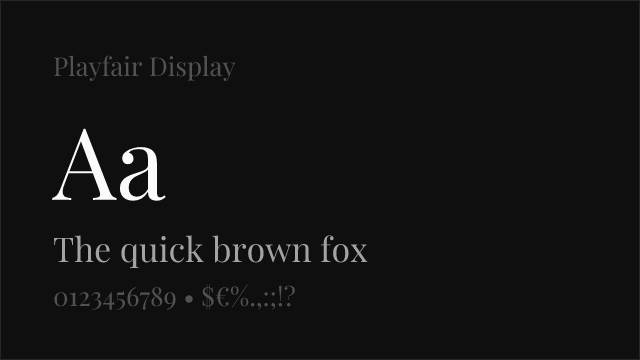
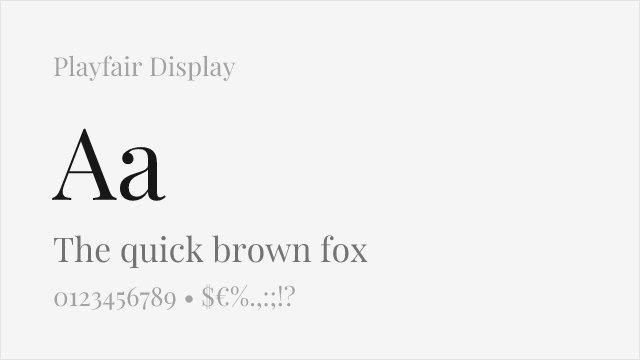
Playfair Display Free Variable

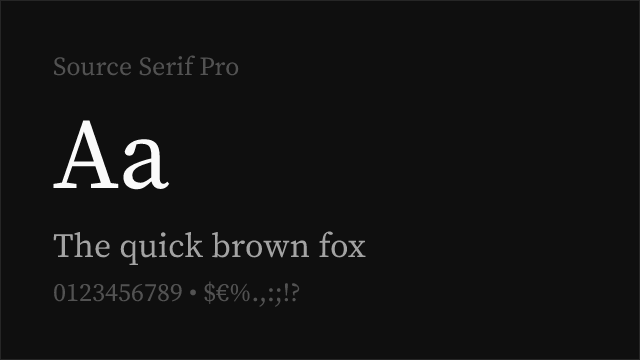
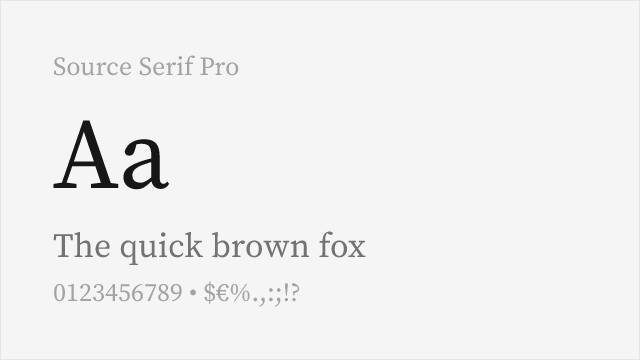
Source Serif Pro Free Variable
No fonts found with this filter.