 Install FontSwap
Readable Fonts
Typefaces specifically optimized for sustained reading comfort, featuring open counters, generous x-heights, and clear character differentiation. The top choice for body text and long-form content.
Readable typefaces are engineered for one primary purpose: comfortable, sustained reading. Every design decision — x-height, counter size, character width, stroke contrast, spacing — serves the goal of allowing readers to absorb content for extended periods without fatigue, distraction, or error. Readability is not a secondary benefit of these designs; it is their fundamental intent.
Accessibility-Driven Design
Readable typefaces address the needs of the broadest possible audience, including readers with visual impairments, dyslexia, and age-related vision changes. Key accessibility features include clear differentiation between easily confused characters (uppercase I, lowercase l, and numeral 1 must be visually distinct), open counters that prevent letters from collapsing at small sizes, and consistent rhythm that supports predictable eye movement. Some readable typefaces go further: Atkinson Hyperlegible was specifically designed by the Braille Institute for low-vision readers, with exaggerated character distinctions and recognizable letterforms even at small sizes. The principles behind these specialized designs — clarity, differentiation, consistency — apply broadly to all readable type, benefiting every reader regardless of visual ability.
Design Principles
Several measurable characteristics distinguish highly readable typefaces. X-height ratio: a generous x-height (the height of lowercase letters relative to capitals) improves legibility at small sizes because the eye primarily reads the shapes of lowercase letters. The most readable typefaces typically have x-heights at 70-80% of cap height. Counter openness: wide, open counters in letters like 'e', 'a', 'c', and 's' prevent these forms from closing at small sizes or under poor rendering conditions. Character width: moderate width (neither condensed nor extended) provides the most comfortable reading rhythm. Stroke contrast: low to moderate contrast ensures no stroke elements disappear on screen or in poor print conditions. Spacing: generous sidebearings and careful kerning prevent letters from crowding, which degrades readability faster than almost any other factor.
Digital Optimization
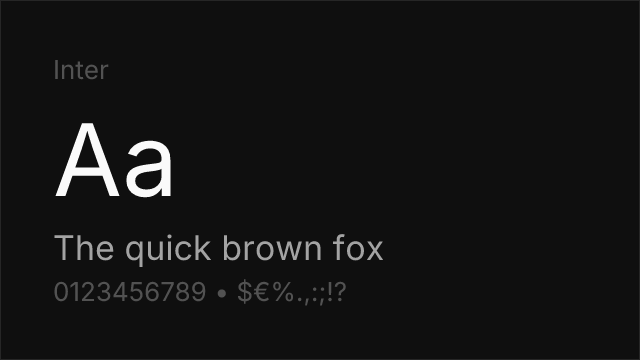
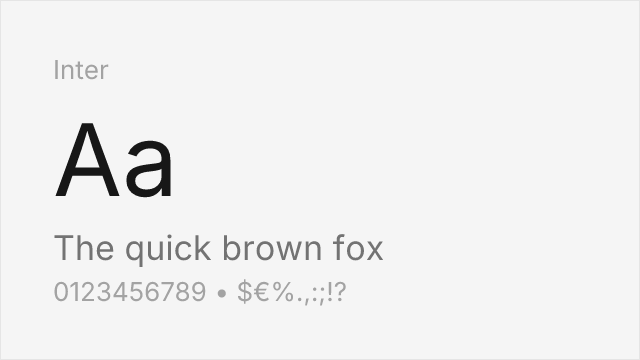
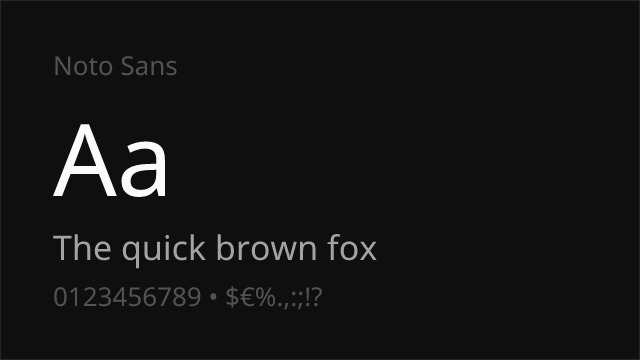
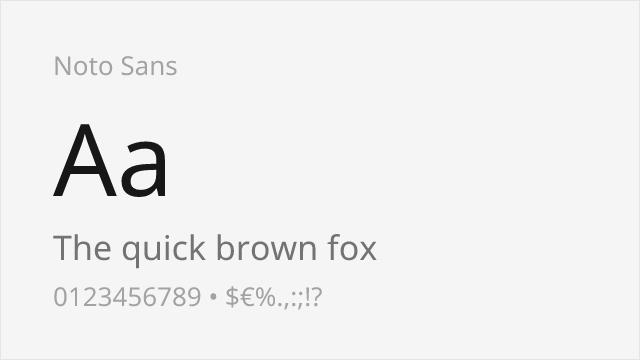
Readable typefaces for digital contexts require additional engineering beyond good letterform design. Screen rendering demands careful hinting — instructions embedded in the font that guide how outlines map to pixel grids at specific sizes. Without hinting, even well-designed letters can render with uneven stroke weights, closed counters, or blurred features at common text sizes (14-18px). Modern readable fonts like Inter, Noto Sans, and Source Sans Pro include extensive hinting for both ClearType (Windows) and Core Text (macOS) rendering. Variable font technology allows readable typefaces to offer optical size adjustments — slightly heavier strokes and wider spacing at small sizes, tighter metrics at display sizes — within a single font file, optimizing readability across the full size range.
When to Use
Readable typefaces are the default choice for body text, article content, documentation, email, messaging interfaces, e-readers, educational materials, and any context where users will read more than a few sentences. They should be the foundation of any typography system, with more distinctive or decorative faces layered on top for headlines and accents. When choosing a readable typeface, test at your actual target sizes and on your actual target devices — readability is a performance metric, not a visual impression.
Premium Readable Fonts


Atkinson Hyperlegible


Century Schoolbook


Guardian Egyptian


Free Readable Fonts
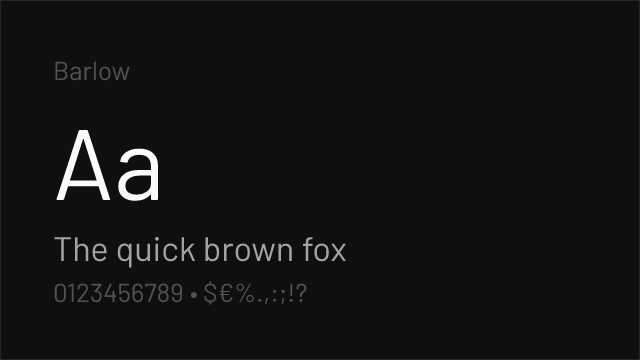
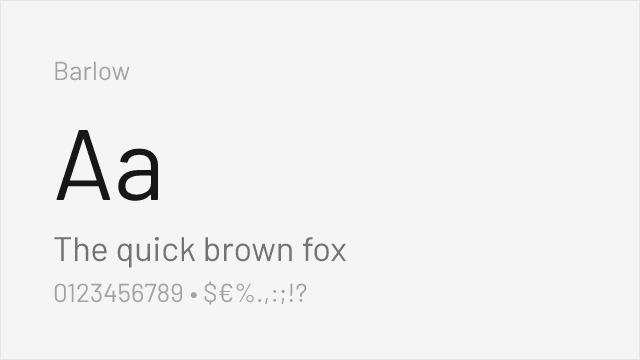
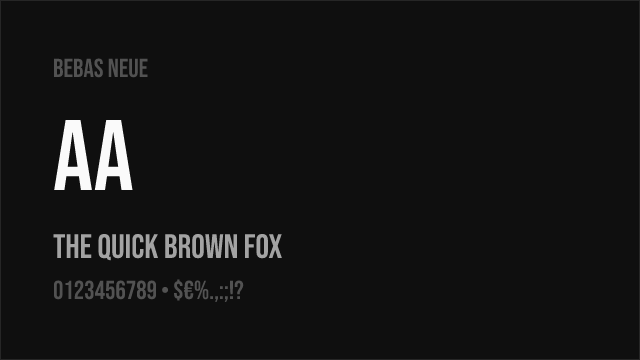
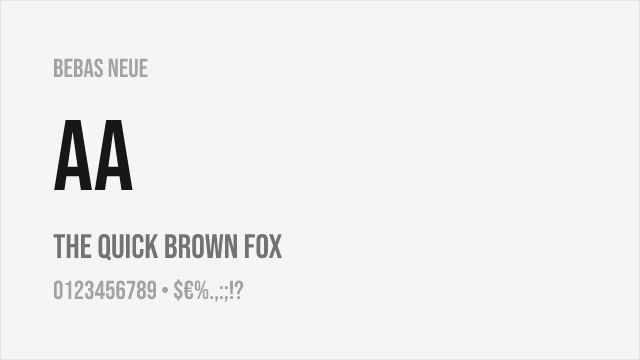
Bebas Neue Free
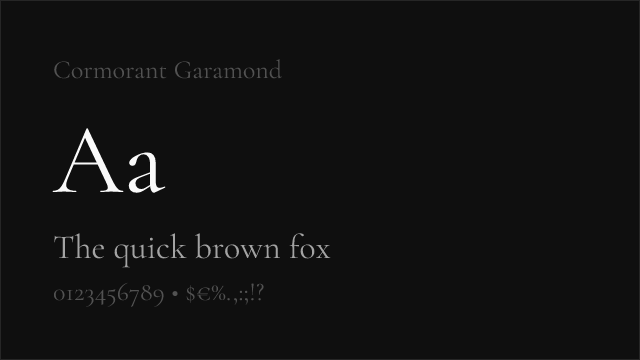
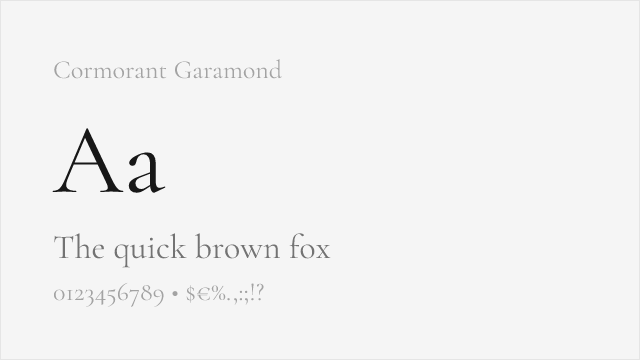
Cormorant Garamond Free
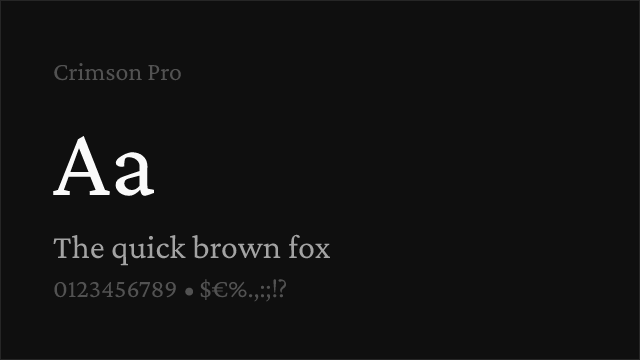
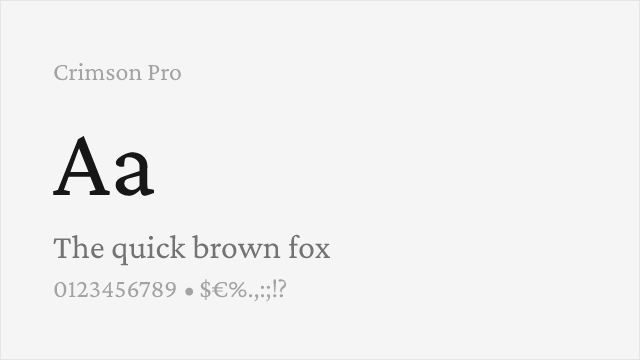
Crimson Pro Free Variable
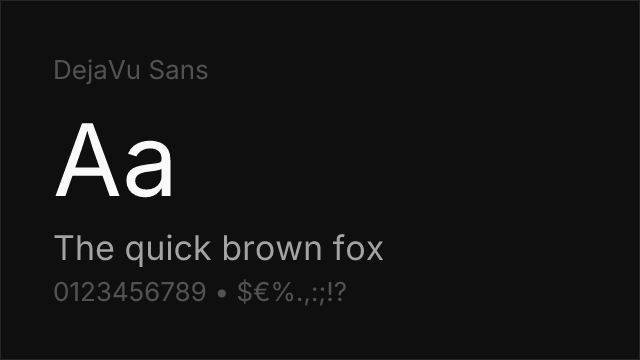
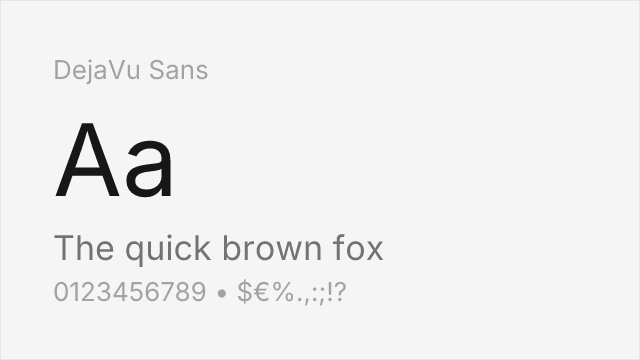
DejaVu Sans Free
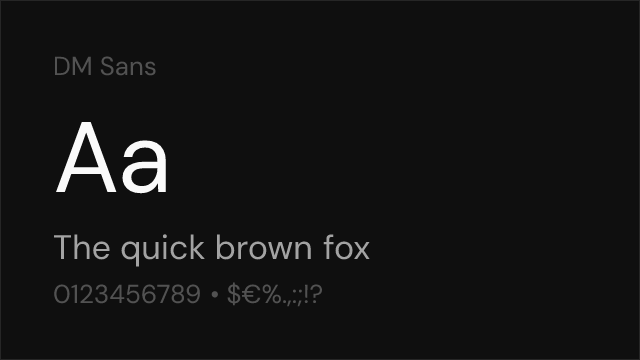
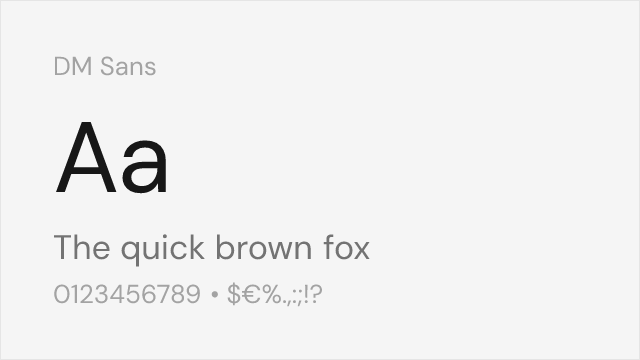
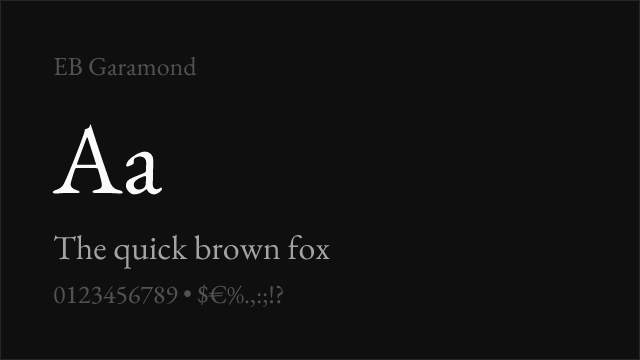
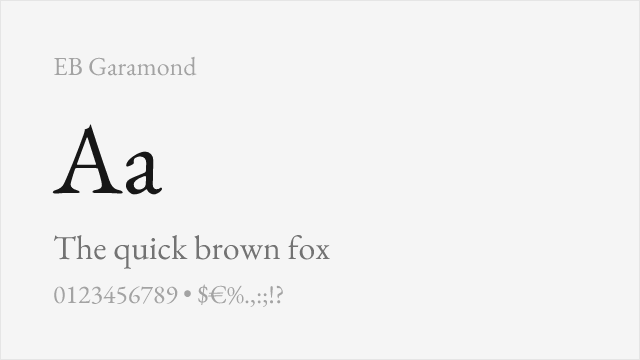
EB Garamond Free Variable
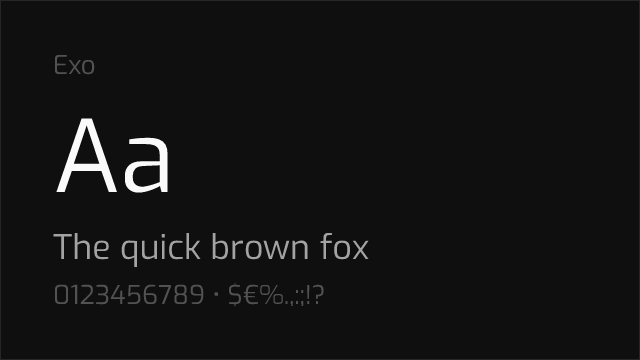
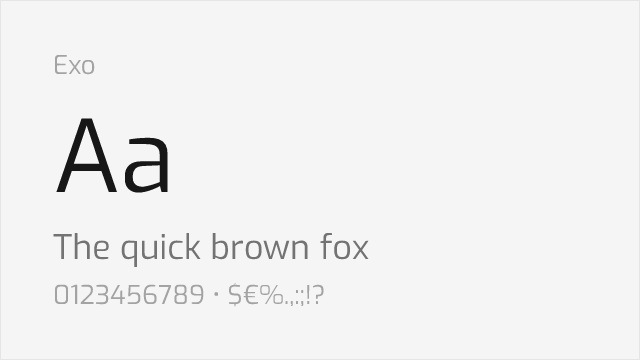
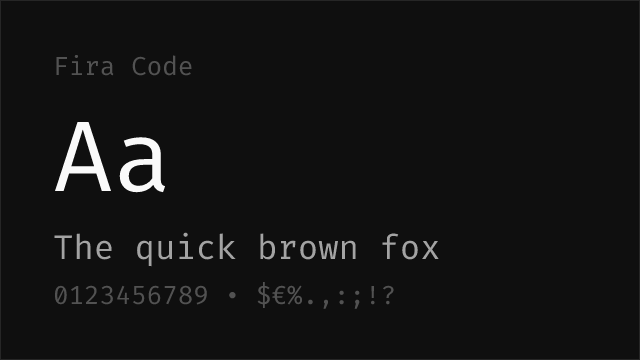
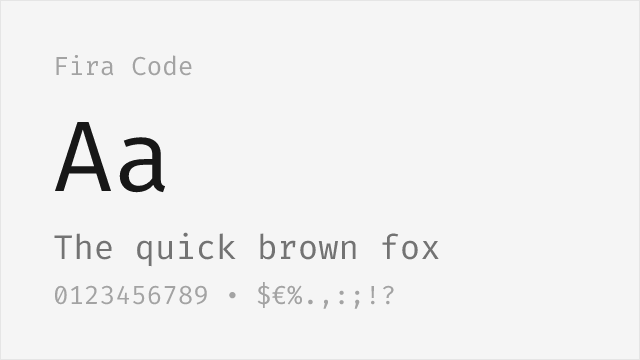
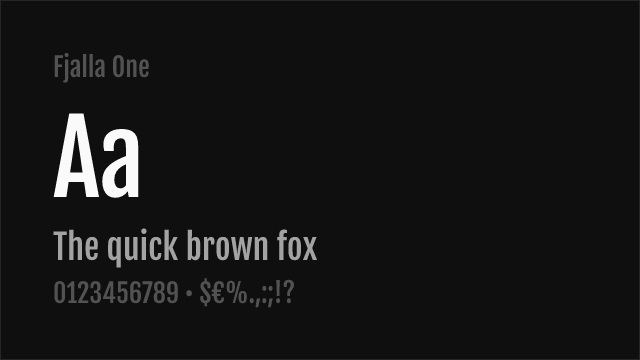
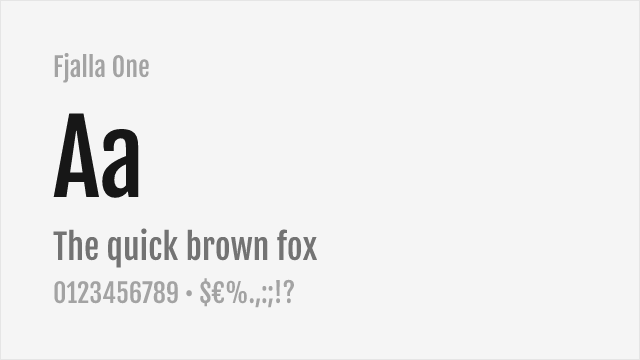
Fjalla One Free
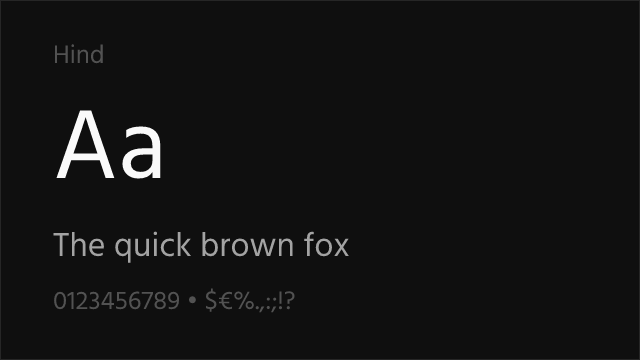
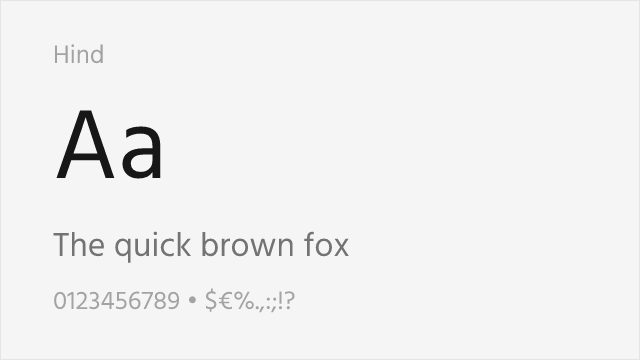
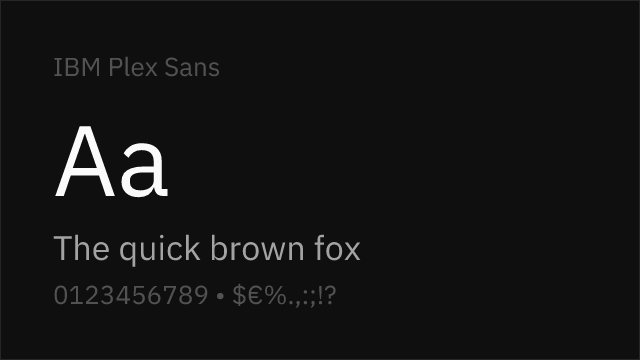
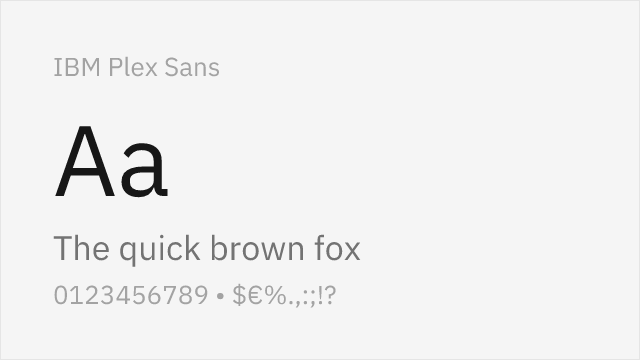
IBM Plex Sans Free
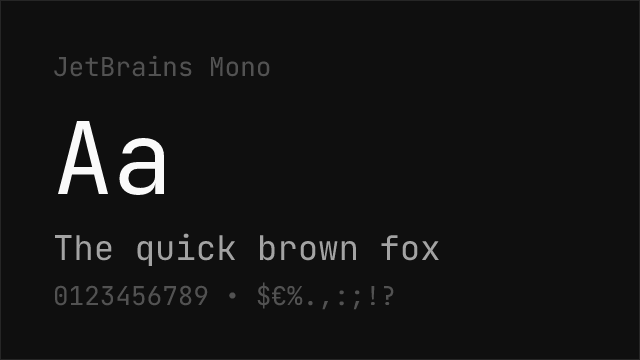
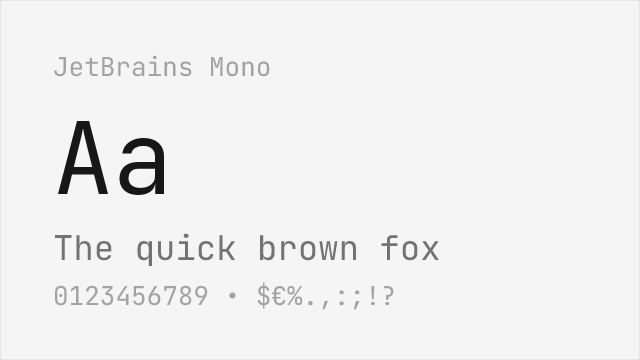
JetBrains Mono Free Variable
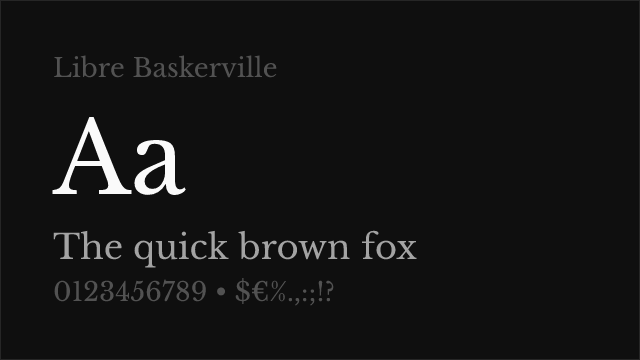
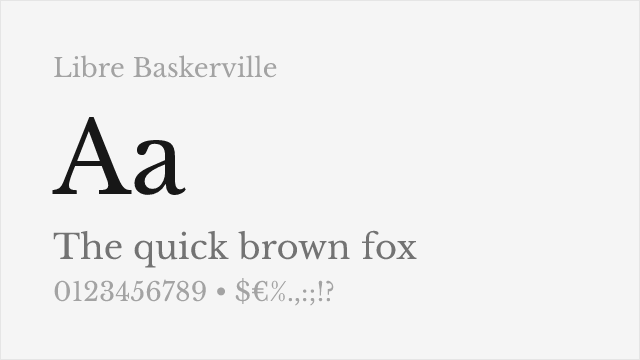
Libre Baskerville Free
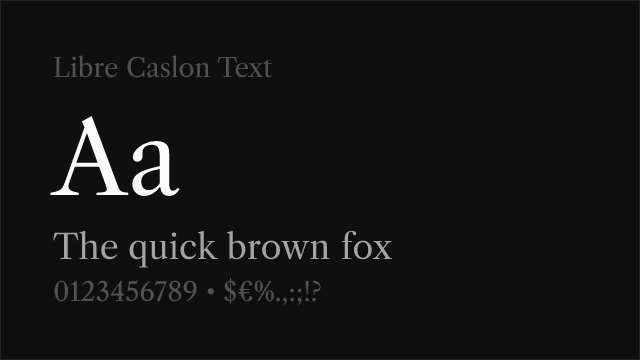
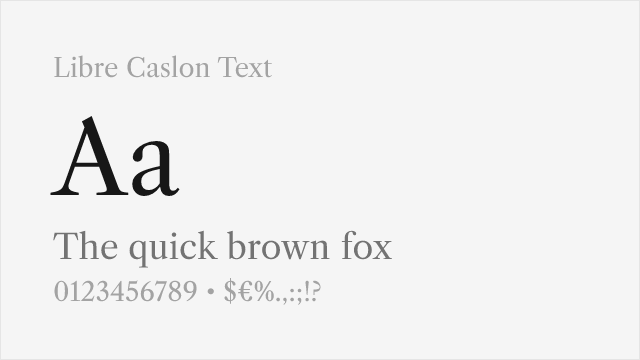
Libre Caslon Text Free
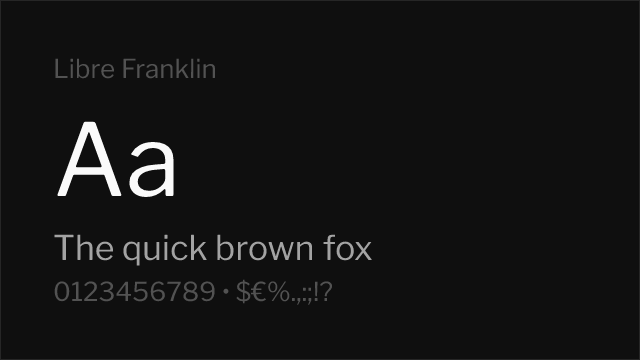
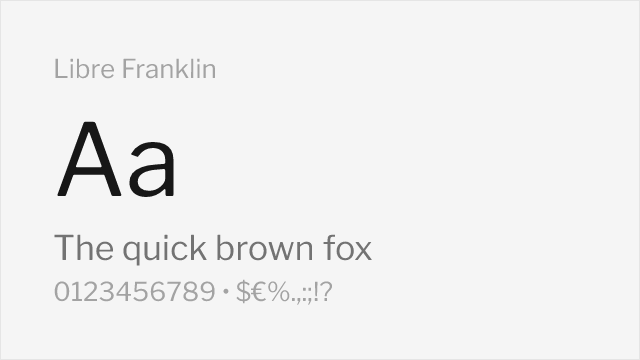
Libre Franklin Free Variable
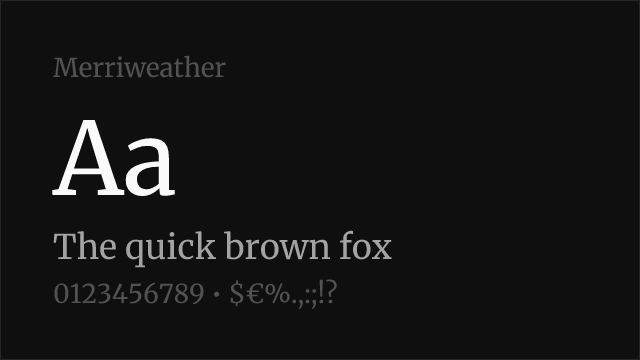
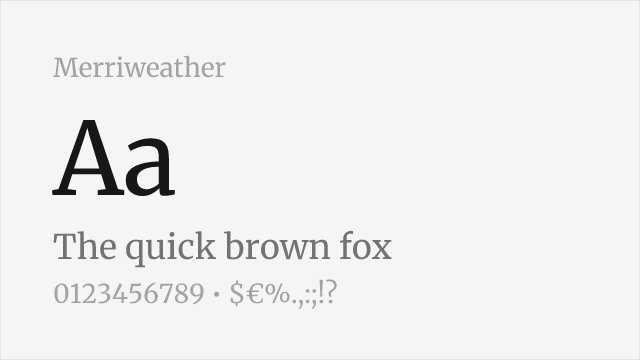
Merriweather Free
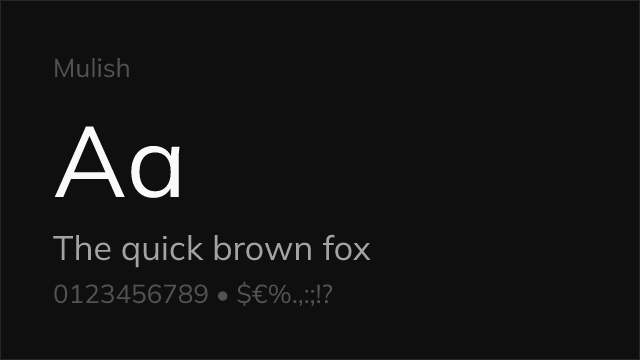
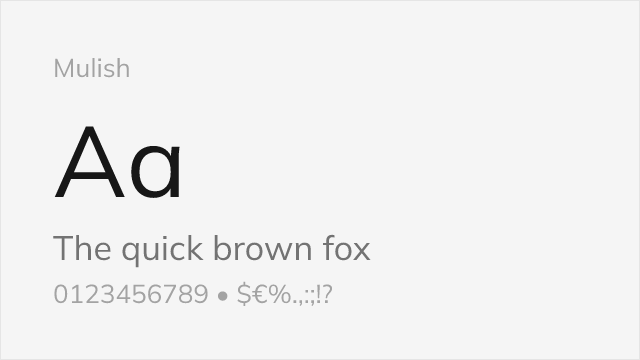
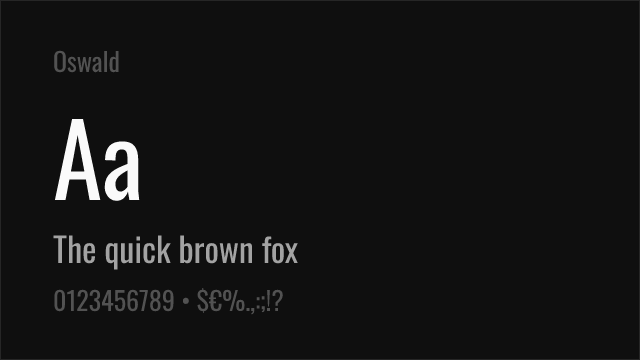
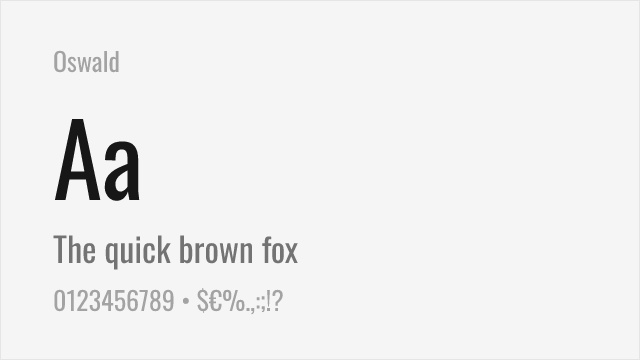
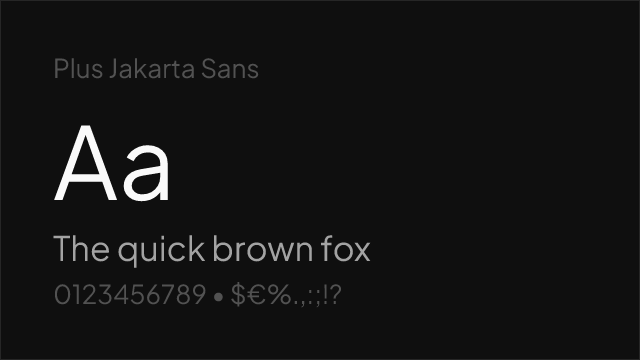
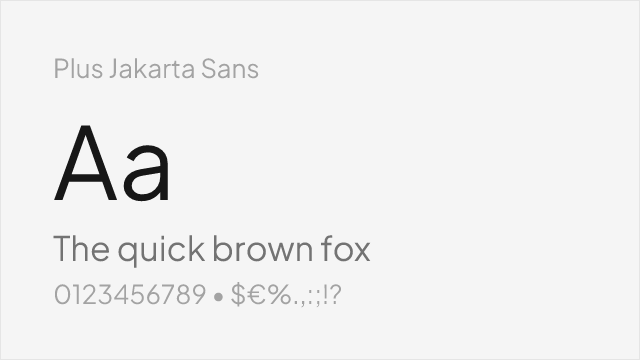
Plus Jakarta Sans Free Variable
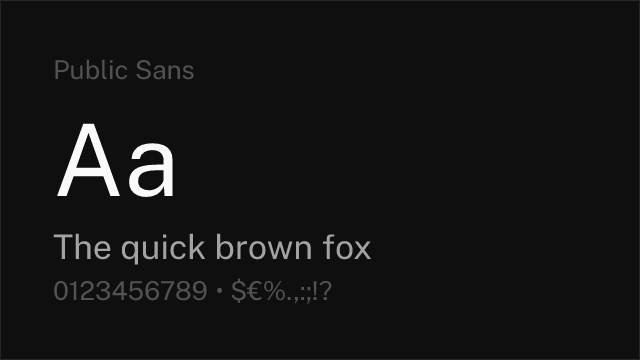
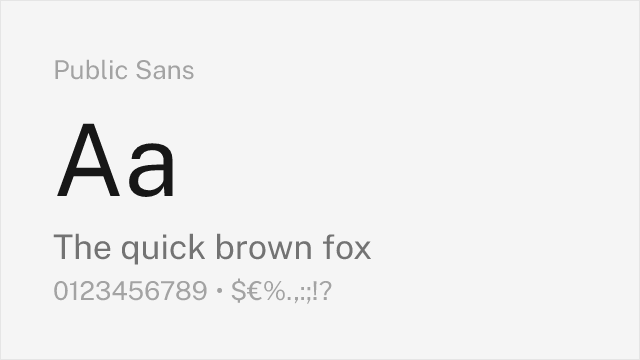
Public Sans Free Variable
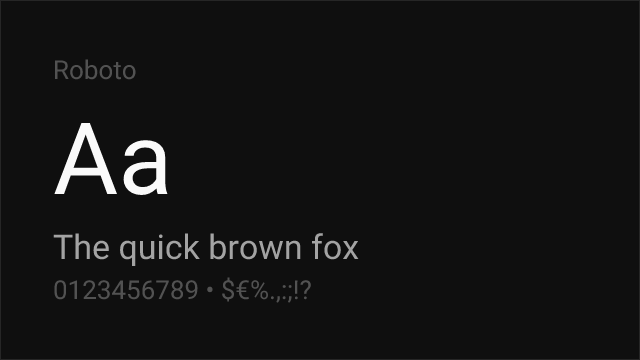
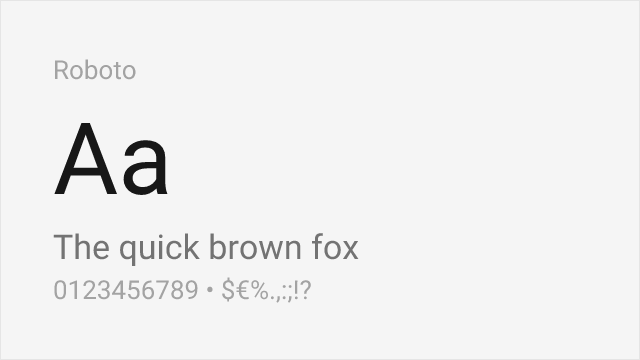
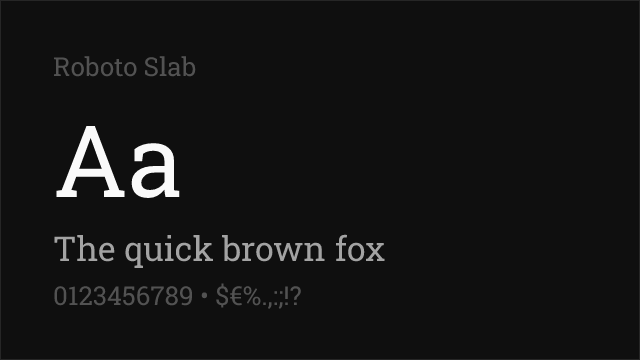
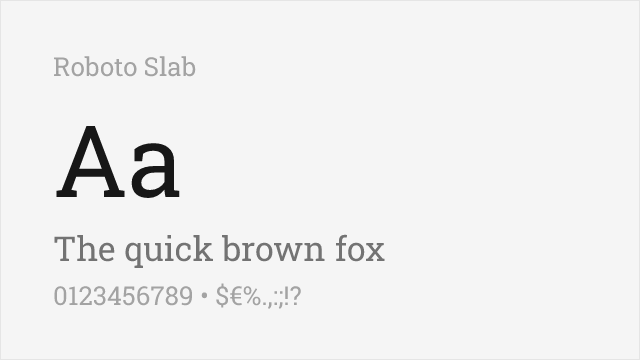
Roboto Slab Free Variable
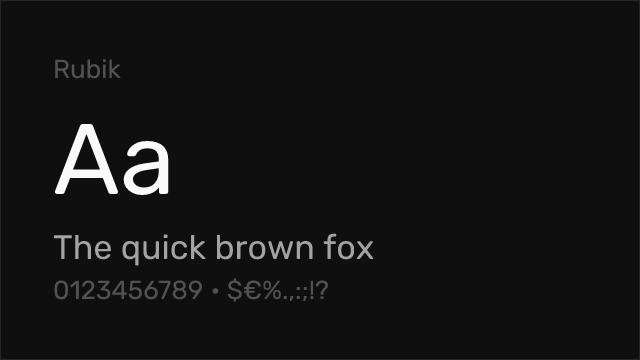
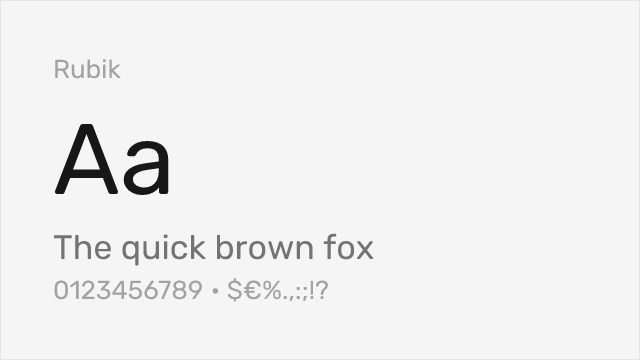
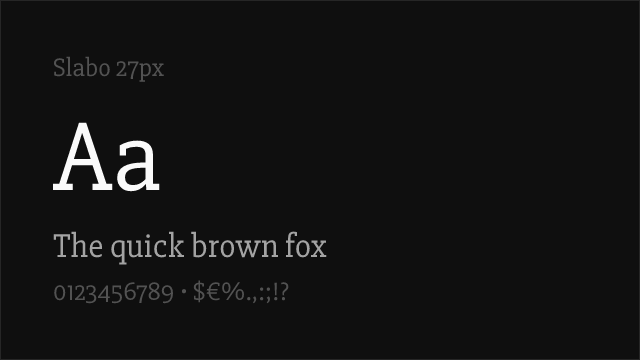
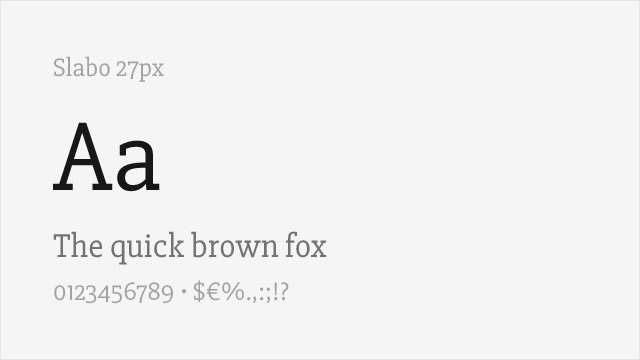
Slabo 27px Free
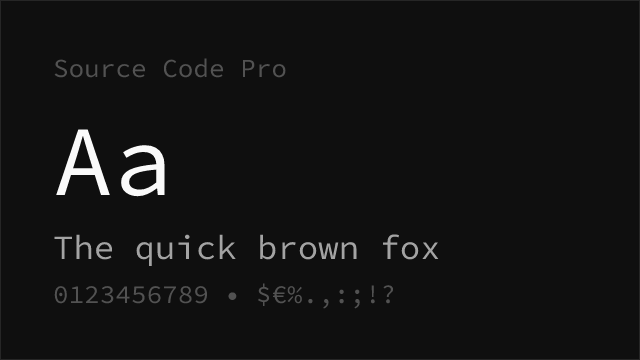
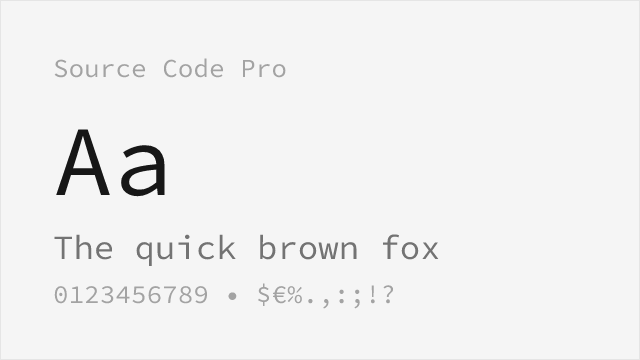
Source Code Pro Free Variable
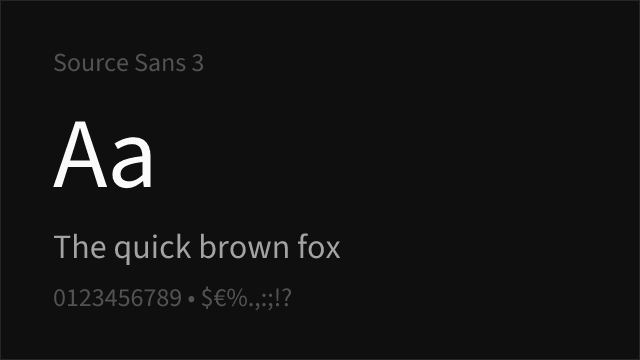
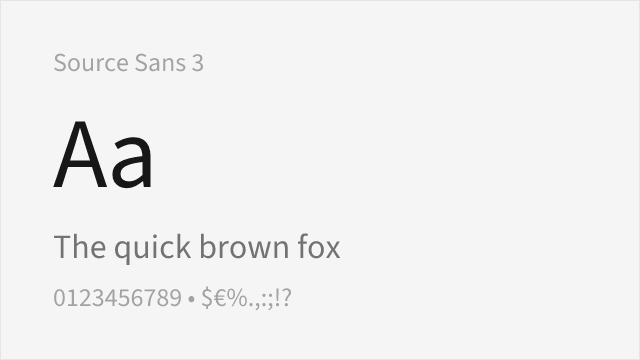
Source Sans 3 Free Variable
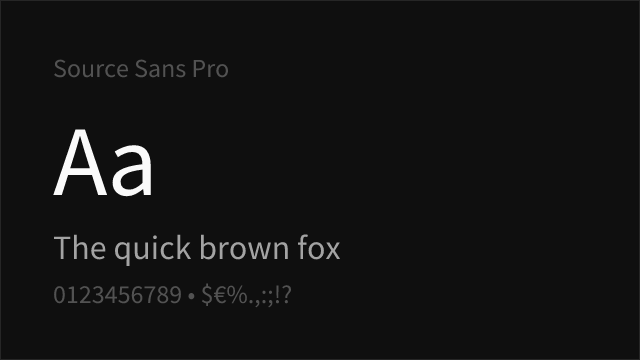
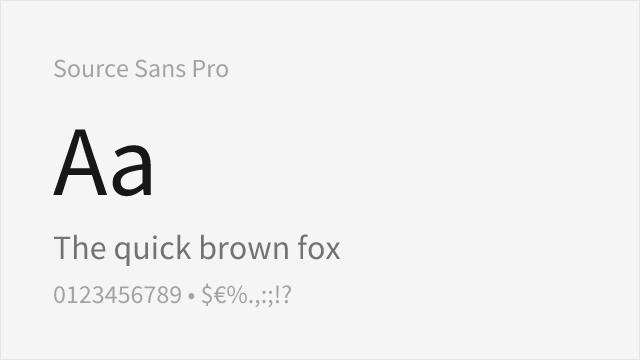
Source Sans Pro Free Variable
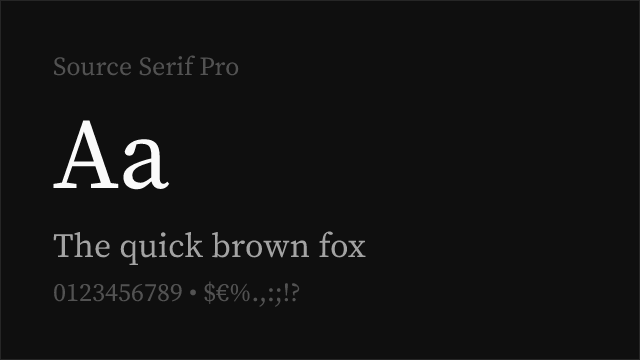
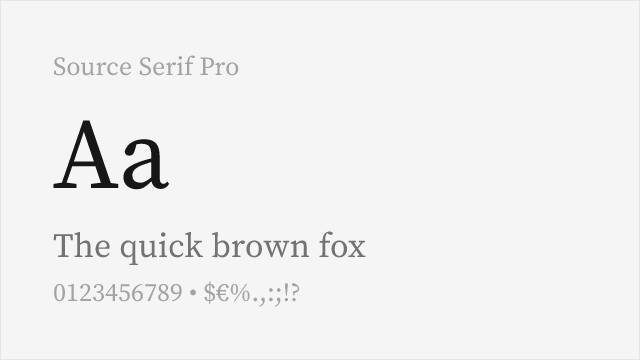
Source Serif Pro Free Variable
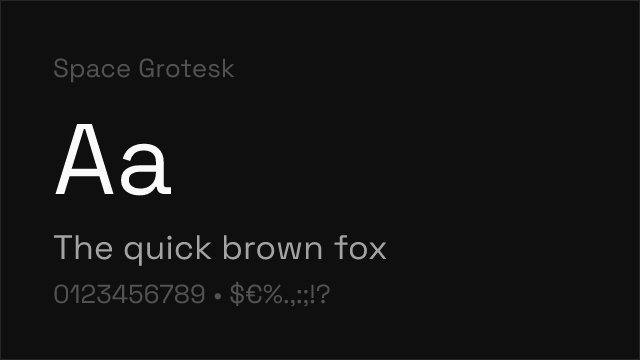
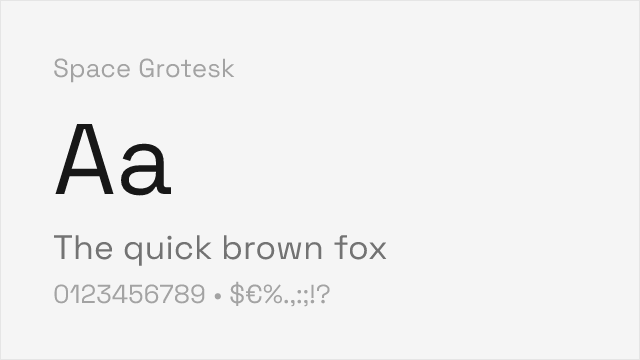
Space Grotesk Free Variable
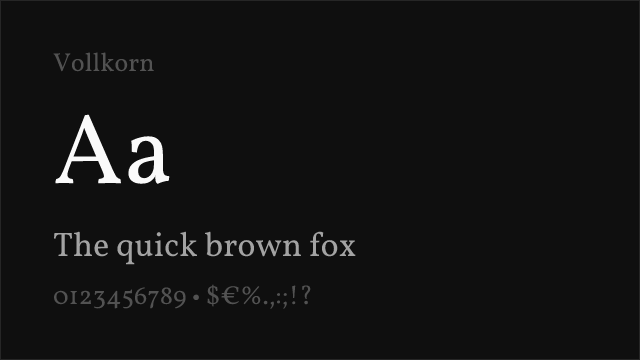
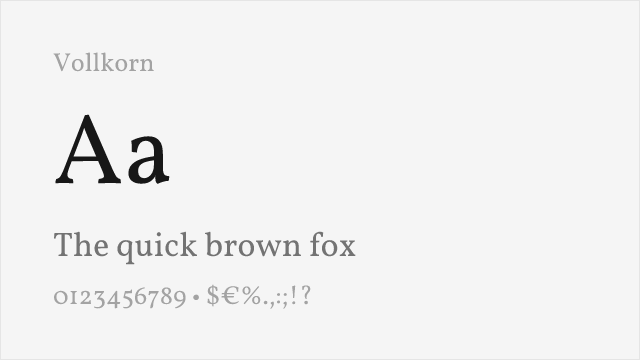
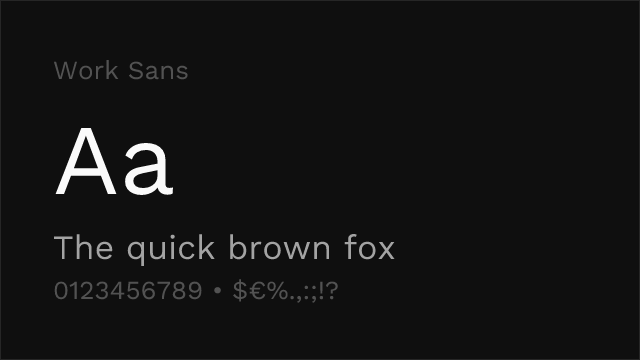
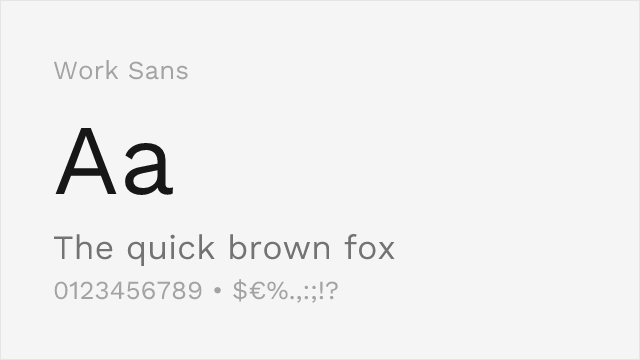
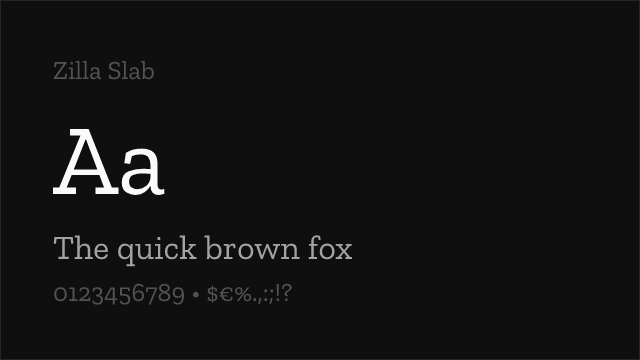
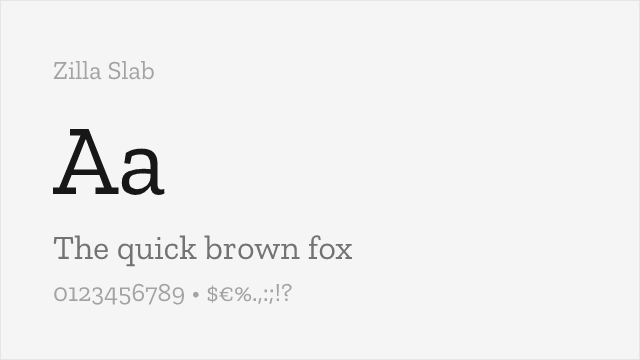
Zilla Slab Free
No fonts found with this filter.